
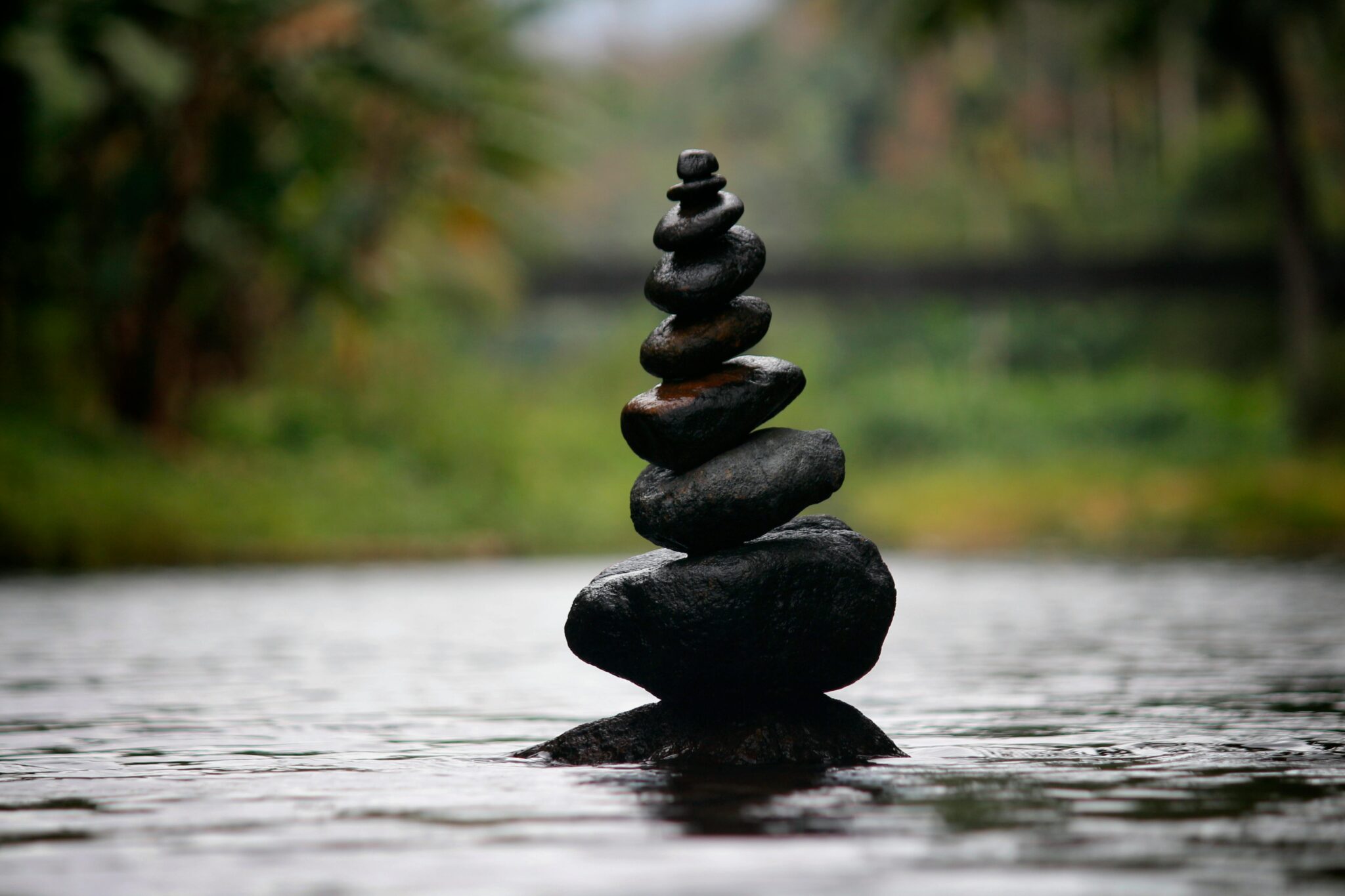
We live in a world where chaos seems baked into the rhythm of our everyday lives. News headlines scream catastrophe, social media fuels outrage, inboxes flood faster than we can clear them, and even rest has become something we schedule like a dentist appointment. Amid this relentless noise, finding a sense of peace can feel less like a goal and more like a fantasy.
But here’s the truth: peace is not a place we arrive at—it’s a practice. It’s something we build, brick by brick, day by day. And in a world that refuses to slow down, learning how to slow ourselves down becomes a radical, revolutionary act.
So, how do you find your calm in a world that won’t sit still? How do you ground yourself when it feels like the ground keeps shifting beneath you? The answer isn’t simple, but it is possible.
The Age of Overwhelm
There’s a reason so many of us are feeling mentally and emotionally frayed. According to the World Health Organization, rates of anxiety and depression have surged globally in recent years, with social isolation, digital overload, financial uncertainty, and geopolitical instability acting as major contributing factors.
What’s unique about our current moment isn’t just the presence of stress—it’s the volume and constancy of it. Unlike past generations, who had the luxury of mental “off” switches, we carry our stressors in our pockets. Our phones deliver every tragedy, opinion, and demand for our attention with a chirp or a buzz. Even our quietest moments are often shared, curated, or interrupted.
So, the question becomes: Can we opt out without falling behind? Can we protect our peace in a world that monetizes our distraction?
Redefining Calm
When people hear the word “calm,” they often imagine a retreat: a cabin in the woods, a yoga mat at sunrise, a bubble bath with spa music. But true calm isn’t about escaping the world—it’s about building resilience within it.
Calm is the ability to return to yourself. It’s the capacity to pause before reacting. It’s the skill of remaining grounded in the middle of a storm.
And like any skill, it gets stronger the more you work at it.
Practices to Cultivate Calm
Here are a few simple, accessible ways to build more calm into your daily life—even when everything around you feels overwhelming:
1. Anchor in Breath
The most immediate tool you have to regulate your nervous system is your breath. In moments of stress, your body automatically shifts into fight-or-flight mode, speeding up your heartbeat and breath. But you can reverse this process deliberately.
Try this: breathe in slowly through your nose for a count of four, hold for four, exhale through your mouth for six. Repeat three to five times. This signals safety to your body and invites calm to return.
2. Create Micro-Moments of Stillness
You don’t need an hour-long meditation practice to benefit from stillness. Try integrating small pauses into your day. Before a meeting. After you park your car. While waiting for the kettle to boil.
Even thirty seconds of intentional silence can act like a reset button. Use those moments to check in with yourself—how you’re feeling, what you need, what you’re grateful for.
3. Limit Your Information Diet
Consuming information nonstop doesn’t make us more informed—it often makes us more anxious. Set boundaries around how and when you consume news and social media.
Try this: no doomscrolling first thing in the morning or right before bed. Replace some of that time with something nourishing—reading, journaling, stretching, or simply sitting with a coffee in silence.
4. Move Your Body (Without Pressure)
Movement is one of the most effective ways to discharge stress. But not all movement needs to be high intensity or performance-based.
Dance around your kitchen. Go for a short walk without your phone. Do five minutes of gentle stretching. Let your body move in ways that feel good, not just “productive.”
5. Guard Your Energy Like It’s Gold
You are not obligated to be constantly available. You don’t have to engage with every online argument, every notification, or every draining relationship. Protecting your peace may mean saying no more often—and that’s okay.
Give yourself permission to set boundaries, unplug, and prioritize rest without guilt.
Finding Your Calm Place (Internally and Externally)
While mental calm is largely an internal state, our physical environments play a role in nurturing it. Think about the spaces you occupy daily: your home, your workspace, your digital space.
Ask yourself:
- Does this environment help me feel calm, or does it add to my stress?
- Can I declutter or simplify something today?
- Is there a corner I can turn into a mini haven—a chair by a window, a soft light, a plant, a cozy throw?
Creating calm doesn’t always require dramatic changes. Sometimes it’s as simple as making your bed, lighting a candle, or turning off overhead lights in favor of a lamp. The goal is to signal to your body that it’s safe here.
Community and Connection as Calm Catalysts
Loneliness is a silent contributor to stress and anxiety. While solitude can be restorative, isolation is draining. Finding calm often means finding others who make you feel seen, safe, and supported.
Look for spaces—online or in real life—where you can show up authentically. That might be a group fitness class, a book club, a faith community, or even a text thread with close friends. Calm doesn’t have to be solitary. Sometimes the most grounding thing is a shared laugh, a hug, or a friend who simply listens.
When You Can’t Find Calm—And That’s Okay Too
There will be days when calm feels out of reach. Days when the world feels too loud, your thoughts too scattered, your heart too heavy. On those days, extend yourself grace. You don’t have to force serenity.
Instead, focus on the smallest thing you can do to support yourself. Maybe that’s brushing your teeth. Drinking water. Stepping outside for one minute of fresh air. Calm can begin again at any moment.
The Calm Revolution
Choosing calm in a chaotic world isn’t weakness—it’s power. It’s presence. It’s a refusal to be swept away by the current of external noise. It’s a way of reclaiming your energy, your time, your joy.
In a society that glorifies hustle and noise, calm is rebellious. And like any revolution, it starts small—inside you.
So take the next breath. Take the next pause. Take the next step away from overwhelm and toward something softer.
You don’t need to escape the world to find peace. You just need to come home to yourself.
markmunroe
Latest posts by markmunroe (see all)
- What I Pay Attention to Now - January 21, 2026
- Living Between Trips, Homes, and Creative Projects - December 27, 2025