

If you were to look back at the history of humanity, it would appear that for as long as we’ve had our bodies, we have had the desire to shape them. And clothing, or what we wore under our clothing more specifically, is just how we did that. For centuries, shapewear has reflected not only fashion trends, but also shifting ideas about femininity, beauty, and bodily autonomy. What began in years past as rigid, highly structured garments designed to mold the body into socially desirable silhouettes has evolved into a diverse category of clothing that prioritizes comfort, flexibility, and self-expression.
Ancient Foundations: The Origins of Body Shaping
As early as ancient civilizations in Egypt, Greece, and Rome, women wore what we could consider shapewear style garments to emphasize or minimize certain features. A smaller waist, more pronounced hips, minimizing or exaggerating breast size and shape; the focus would shift depending on societal norms of the time and place. These early forms of shapewear were typically made from linen, leather, or metal and were used to accentuate culturally idealized proportions. Girdles were one of the more popular iterations of shapewear at the time, and in certain periods for certain peoples, it would have been fashionable for these girdles to be part of the look and not hidden, not unlike some of the styles we see today.
Even in these early iterations, shapewear was less about comfort and more about aesthetics, establishing a long-standing relationship between fashion and body modification.
The Corset Era: Structure and Control
Shapewear as we most famously recognize it emerged between the 16th and 19th centuries with the widespread use of corsets. Constructed with rigid materials like whalebone, wood, and later steel, corsets were designed to cinch the waist and create the coveted hourglass figure.
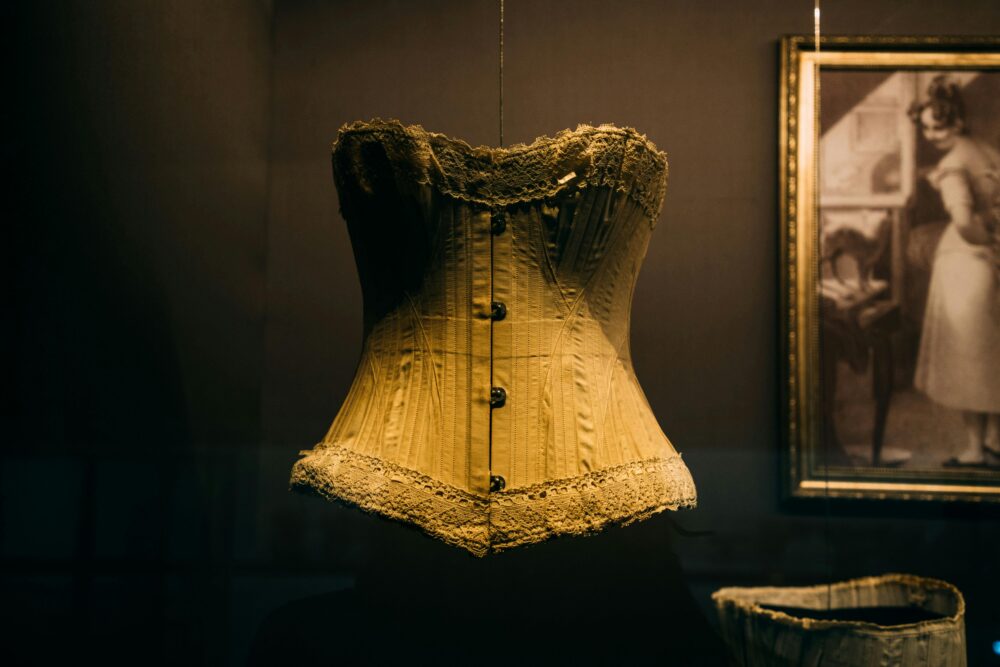
While corsets served as foundational garments beneath clothing, they also symbolized the strict beauty standards of their time. Tight lacing could restrict breathing and movement, and in extreme cases, cause health issues. Despite this, corsets remained a staple for centuries, and are still used by many even today. The enduring prevalence of corsetry illustrates the powerful influence of fashion norms on women’s bodies.
Early 20th Century: Shifting Silhouettes
The early 1900s marked a turning point. As women’s roles began to change, particularly during and after World War I, fashion followed suit. With women taking on roles and jobs generally done by men, whose clothes were famously far more comfortable, wearing tight or stiff undergarments became not just impractical, but impossible. The restrictive corset gradually gave way to softer, more practical pieces, providing the freedom of movement for women to take on the increased responsibility and changing lifestyle that the era required.
In the 1920s, the popular silhouette shifted dramatically. Rather than emphasizing curves, flapper fashion favored a straighter, more androgynous shape. Shapewear adapted accordingly, with garments designed to flatten the bust and streamline the figure.
By the mid-20th century, girdles became the dominant form of shapewear. Made with elasticized fabrics, they offered more flexibility than corsets while still shaping the waist, hips, and thighs. These garments reflected a balance between structure and emerging comfort.
Late 20th Century: Technology Meets Fashion
The 1980s and 1990s saw major advancements in textile technology, transforming shapewear into something far more wearable. Synthetic fibers like nylon and spandex allowed for stretch, breathability, and improved fit. This era also marked the beginning of modern shapewear as we know it today. Brands began producing lightweight, seamless garments that could be worn discreetly under clothing, offering subtle shaping rather than dramatic transformation. Movement, flexibility and comfort became the priorities, matching the ever increasing independence of the women wearing it.
The Modern Era: Comfort, Inclusivity, and Choice
Today’s shapewear is defined by its versatility and inclusivity. No longer confined to rigid undergarments, modern designs include bodysuits, high-waisted shorts, and seamless briefs made from soft, flexible fabrics that move with the body. Rather than restrictive, occasion-based pieces, consumers are looking for every day pieces in flexible fabric and a wide range of sizes. Companies like Shapermint are an example of this shift in shapewear trends with pieces like their All Day Every Day High-Waisted Shaper Shorts and the Supportive Comfort Wireless Shaping Bra.
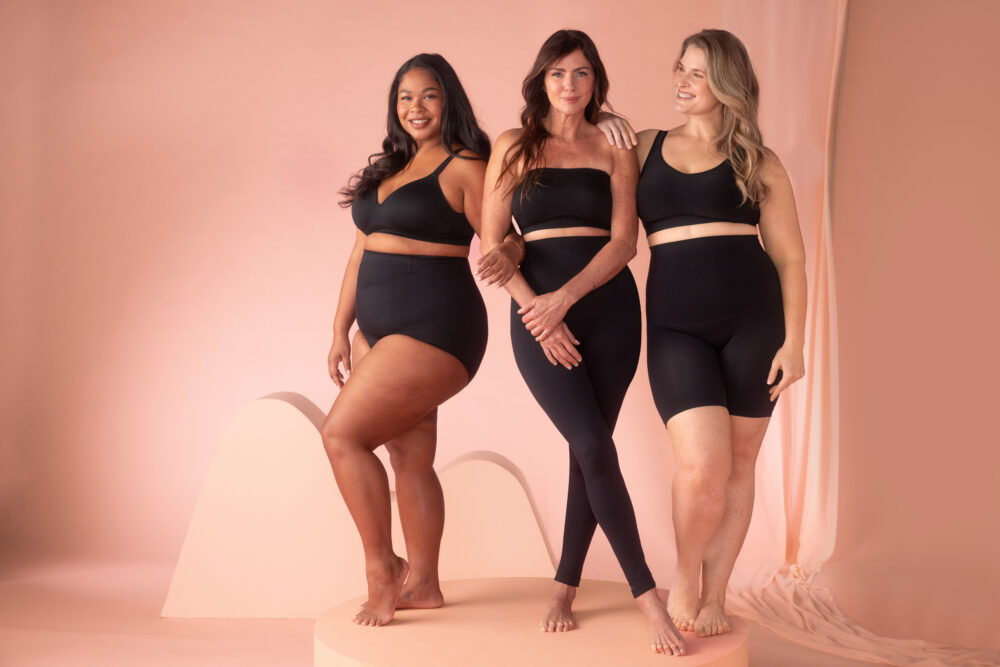
According to stylist and fashion expert Natalie Sexton: “I’m seeing a shift in shapewear toward comfort-first designs that still provide support. People want pieces that feel seamless, breathable, and wearable all day, not just for special occasions, and that can double as everyday layering pieces. Shapermint is my go-to for that. As a stylist for almost two decades, I know the right shapewear is the foundation of every great look. Their pieces are buttery soft, fit beautifully, and give confidence that shows inside and out. I wear them myself and use them when styling because they make outfits sit better and feel amazing on the skin. They also offer a wide range of sizes and styles designed for real bodies and real routines without compromising comfort or confidence.”
Redefining the Relationship Between Fashion and the Body
Overall, the purpose of shapewear has also evolved. While it can still be used to sculpt or smooth, it can do that comfortably now! Using shapewear is such a personal choice, and thankfully these days that choice comes with more choices than ever before. Shapewear now comes in expanded size ranges, diverse skin tones, and a range of styles and fabrics to suit everybody and every BODY. Now, the goal of shapewear is comfort and confidence, not conformity. In some cases, shapewear has even crossed into outerwear, with pieces designed to be seen rather than hidden, like lace trimmed bodysuits and corsets that are far easier to wear than the whalebone made monstrosities of yore.
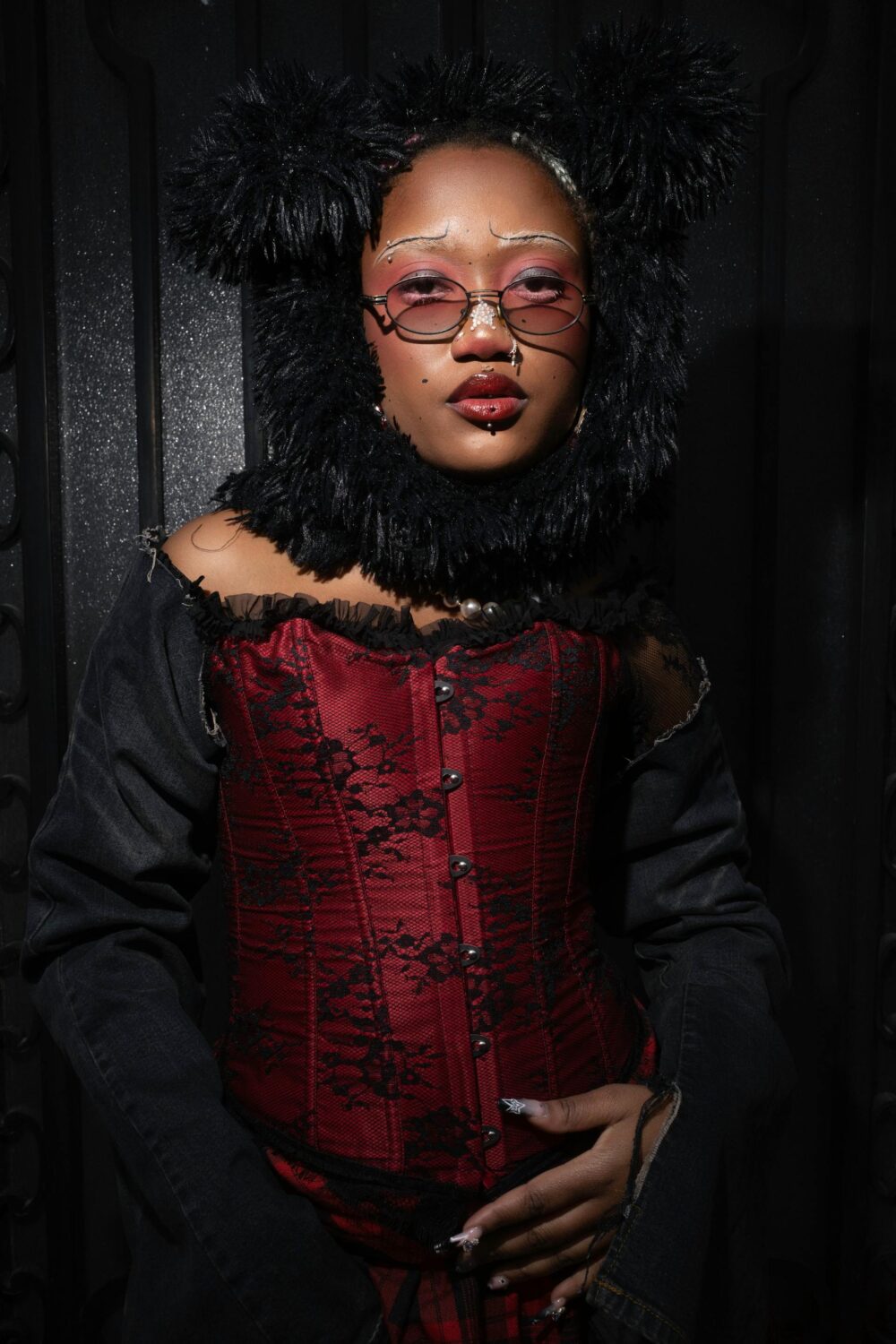
From the rigid corsets of centuries past to the breathable, flexible fabrics of today, shapewear has undergone a profound transformation. What was once a tool of constraint has become, for many, a tool of comfort and self-expression. In its modern form, shapewear no longer dictates how bodies should look. Instead, it offers options, while reflecting a future where fashion adapts to the body, not the other way around. And that’s the change we love to see.

Nadia Elkharadly