
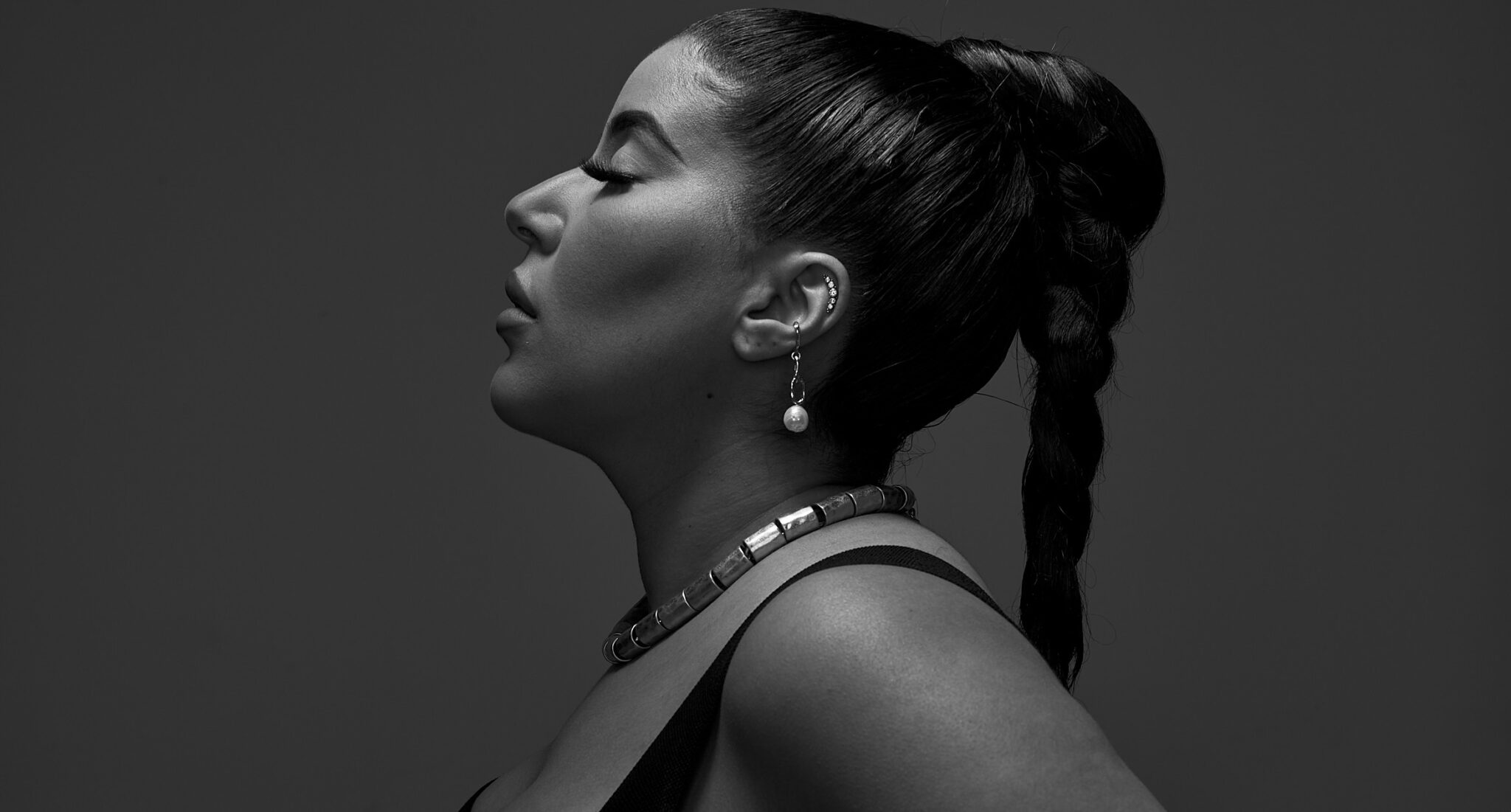
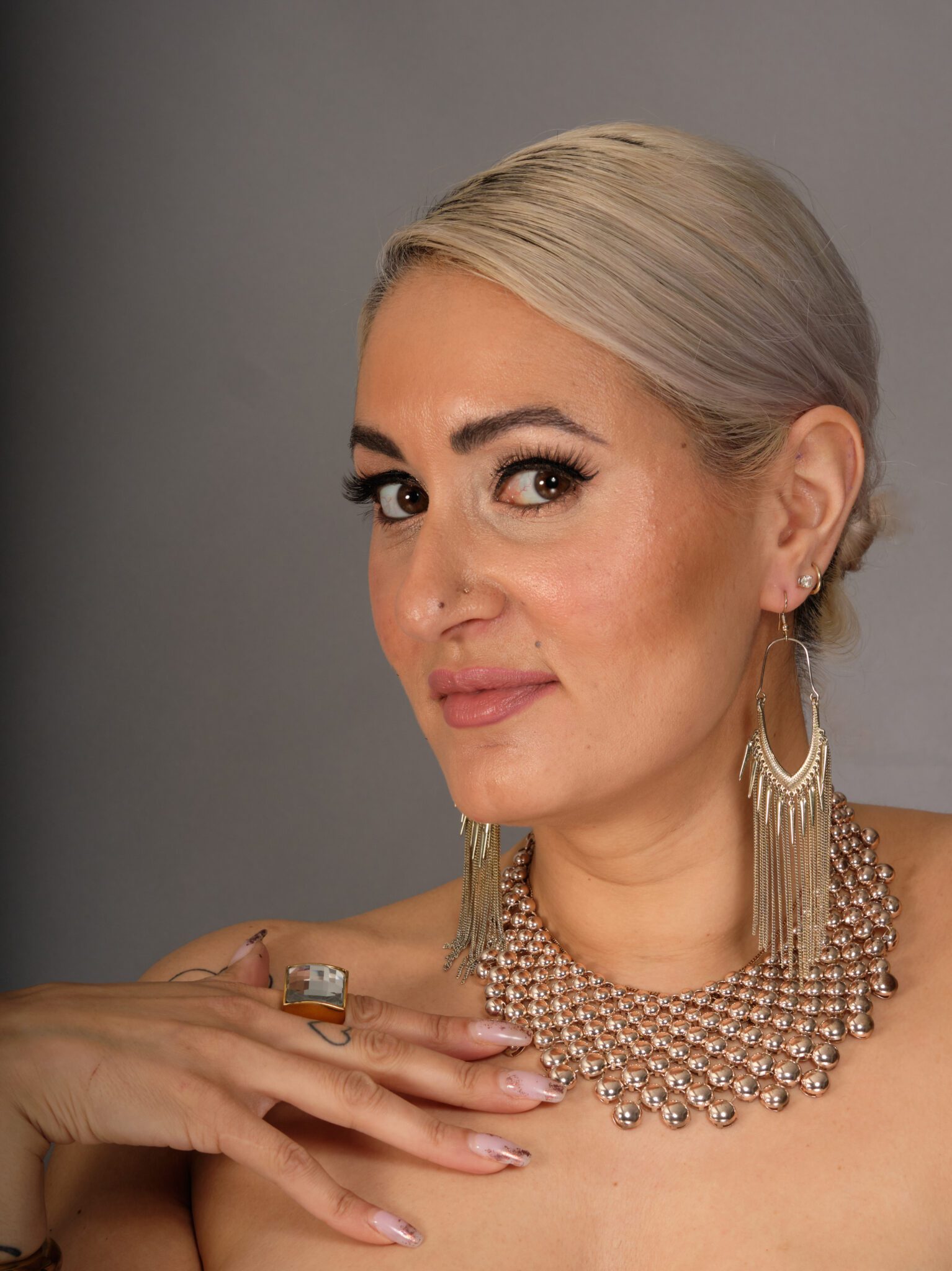
In a music industry often defined by surface-level perfection and fleeting trends, Satya stands out — not just for her soulful voice and R&B-infused pop anthems, but for her unapologetic honesty and emotional depth. With her new single “Love Me Better,” the rising Canadian artist delivers a powerful ode to self-love, resilience, and healing.
Born in a Moroccan orphanage and adopted into a loving Quebec home, Satya has faced adversity from an early age, battling bullying, identity issues, substance abuse, and mental health struggles. After surviving a suicide attempt at 18 and achieving sobriety by 21, she rediscovered her dream of becoming a singer and began using her platform to advocate for mental health and addiction recovery.
“Love Me Better” follows the success of Satya’s chart climbing singles “Maybe We Should,” and “In Trouble”. Satya drew from her own experiences of surviving addiction and motherhood to navigating the pressures of social media and public life to create this anthem of self-love, healing, and the often messy, non-linear journey toward inner confidence. Co-written by Mel Pacifico and Satya Quane Chagnon, and composed by Domenic Pandolfo and Marc Béland, the track is a love letter to every woman and girl who has ever questioned their worth in a world that profits from their insecurities. Produced by Domeno and Marky Beats, “Love Me Better” pulses with emotional honesty and power, offering a reminder that beauty begins within.
I had the chance to sit down with Satya to talk about the journey behind her latest release, her evolution as an artist, and the personal triumphs that continue to shape her sound.
What drew you to music in the first place?
Satya: First, I’d like to thank the Addicted team for this opportunity. My connection with music began early on. As a child, I struggled to express my emotions — I often felt overwhelmed and misunderstood. Music became a lifeline for me. While other kids were singing campfire songs, I was singing Whitney Houston, Toni Braxton, Mary J. Blige, and Celine Dion. I didn’t understand everything they were singing about, but I could feel it. Their voices carried me through heartbreaks, addiction, and some of my darkest moments. Now, I get to share that healing power with my daughter, who sings and dances with me every day. I hope my music makes others feel a little less alone, just like theirs did for me.
Where does your creativity and musical inspiration come from?
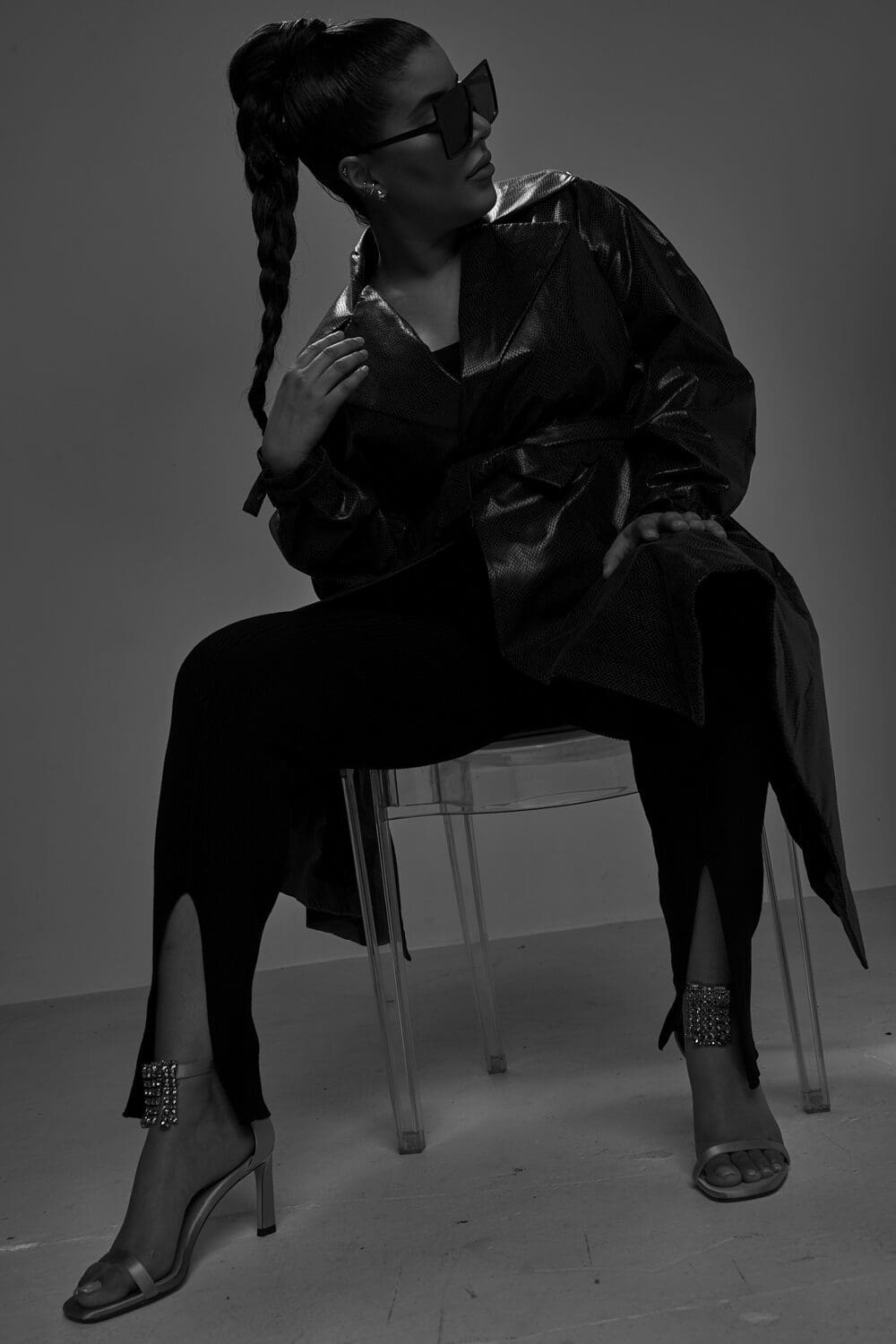
A lot of it comes from the music I grew up on — R&B, Motown, and pop icons. But my parents also played a big part. They saw how serious I was about singing and always supported me, whether through classes or coaching. As I grew older and faced life’s challenges, I realized I had a story to tell. That’s when songwriting became not just a passion, but a purpose. I want my music to reflect not just the pain, but the triumphs — the process of overcoming. My community constantly inspires me. Together, we can’t fall.
From “Maybe We Should” to “Flip Your Hair,” how do you feel your sound and message have evolved?
Those songs represent different eras. At first, I was experimenting with different styles, leaning more toward pop. But I kept returning to R&B — it’s where my heart lives. Over time, I’ve found clarity in what I want to say. My life, my recovery, my growth — all of it now fuels my writing. I’ve become more intentional. I’m not just writing for entertainment; I’m writing to empower. Whether it’s about addiction or mental health, I want people to know it’s okay to not be okay — and that seeking help is a strength, not a weakness.
Has your relationship with creativity changed since becoming sober?
Absolutely. Sobriety forced me to face myself — raw and unfiltered. At first, it was terrifying. I didn’t know what I’d find underneath all the substances. But what I discovered was a well of emotion, stories, and truths that I had been afraid to share. Music became a mirror and a release. It unlocked a deeper level of vulnerability and authenticity. And in letting go of the fear of judgment, I found a wider, more accepting community. I don’t hold back anymore.
“Flip Your Hair” is such a strong anthem for rebirth. What do you want women in their rebuilding era to know?
That what’s on the other side of struggle is freedom. It may look different for everyone — maybe it’s peace, self-love, or clarity — but it’s worth it. Acceptance is the first step. Whether it’s addiction, mental health, or simply a life rut, facing it head-on opens the door to something better. I’ve lived the transformation. Ten years ago, if you told me I’d be here — sober, a mother, in love, thriving — I would’ve laughed. But here I am. And I want other women to know: your past doesn’t define you. Your future is still being written.
Let’s talk about “Love Me Better.” What inspired this new single?
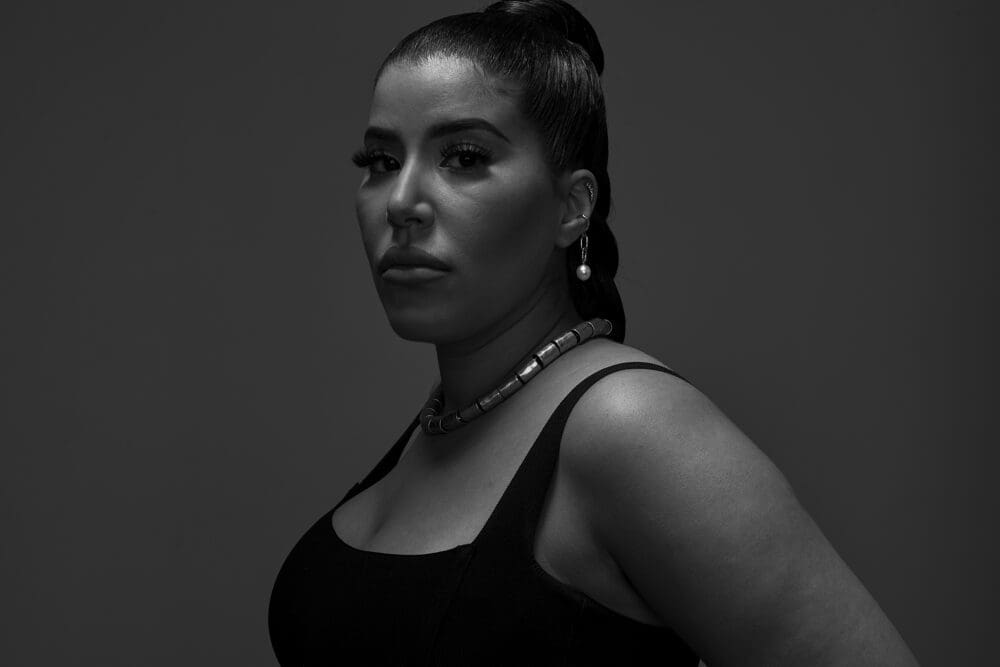
“Love Me Better” is my most personal song yet. It’s a self-love anthem for women and girls who’ve been told they’re not enough. It was co-written with Mel Pacifico and composed by Domenic Pandolfo and Marc Béland. The track is for anyone who’s been made to feel small — by society, by social media, or by their own inner critic. It’s a reminder that beauty begins within.
I wrote it during a time when I felt far from confident — dealing with body changes, motherhood, and public pressure. I had to drown out the noise and reconnect with myself. The video for the song captures that vulnerability. I filmed it when I didn’t feel my best, but it became a turning point — pushing me out of my comfort zone and reminding me of my strength.
What’s next for you — in music, life, or otherwise?
There’s a lot coming. “Love Me Better” is just the beginning. I have more music in the pipeline — hopefully an album this year — and we’re working on setting up shows to bring this message to a live audience. That’s what excites me most: the eye-to-eye connection, the shared energy in the room. That’s where healing happens.
What advice do you have for other aspiring artists?
In French, we say Fonce! — Go for it. You have to bet on yourself. Fear and failure are part of the process, but they shouldn’t stop you. Art comes from truth, and the world needs your truth. Share it. Build your community. And when you find it, hold it close.
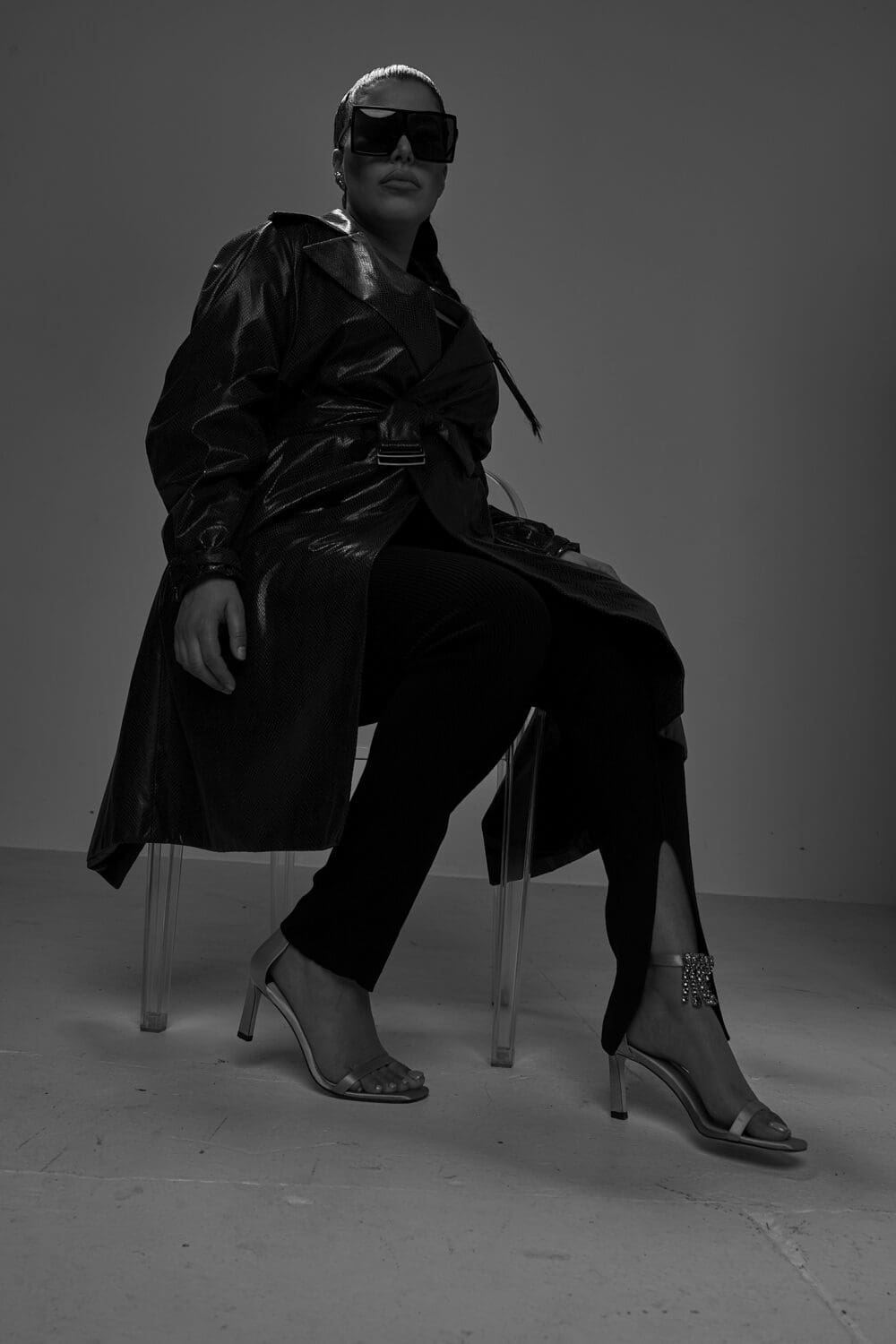
Satya isn’t just creating music — she’s creating movement. With her powerful new single and the personal stories behind it, she reminds us that healing isn’t linear, confidence takes work, and self-love is revolutionary. Her voice — both in song and in spirit — is a light for those still finding their way. And as she continues her journey, she invites us all to walk a little taller, love a little deeper, and sing our truth unapologetically.
https://www.instagram.com/iamsatyamusic/
Nadia Elkharadly