

When it comes to skincare, sunscreen should be a non-negotiable step of any daily routine. Proper daily use of sunscreen, or an SPF inclusive skincare product, can help reduce signs of against premature aging, work to prevent hyperpigmentation, and greatly reduce the risk of skin cancer.
The market is heavily saturated with sunscreens and SPF products, and it almost feels like you need a chemistry degree to truly grasp the concept of SPF can and how it works. For in depth information, check out Health Canada’s guide here for expert informed guidance. And to start, we’ve put together some high level information to help you keep your skin protected all year long.
Sunscreen Is About More Than Preventing Sunburn
While preventing sunburns is key to reducing the risk of skin cancer as well as keeping skin healthier and happier, sunscreen works to prevent all sun damage, not just what happens when we feel red and sore.
The sun emits two primary types of ultraviolet (UV) rays that affect your skin:
- UVA rays penetrate deep into the skin and contribute to premature aging, wrinkles, and sun damage.
- UVB rays are responsible for sunburn and play a major role in the development of skin cancer.
To protect your skin against both types of UV rays, look for a broad-spectrum sunscreen with an effective SPF number. Then use that sunscreen any time you may be exposed to the sun, and yes, through a window counts! Consistent use of well formulated sunscreen has been shown to reduce the risk of developing skin cancer while also helping maintain healthier, younger-looking skin over time.
The Story Behind SPF
SPF (Sun Protection Factor) measures the level of protection against UVB rays. The higher the number, the more effective the product will be at blocking more UVB rays. SPF 30 blocks approximately 97% of UVB rays, and a lower SPF will offer a lower range of protection. SPF 50 blocks about 98% of rays. SPF 100 offers only slightly more protection than 50, which is important to keep in mind when selecting a sunscreen.
Dermatologists generally recommend using at least SPF 30 every day and choosing SPF 50 or higher for prolonged outdoor activities. No sunscreen provides 100% protection, which is why reapplication is just as important as the SPF number itself. As mentioned above, while the SPF number measures protection against UVB rays, SPF only tells part of the story, so remember to choose a broad-spectrum sunscreen to protect against UVA rays as well.
Choosing between Mineral vs. Chemical Sunscreen: What’s the Difference?
Most sunscreen products will fall into two categories: Chemical and mineral. Mineral Sunscreen, also referred to as physical sunscreen, are mineral based formulas that typically contain zinc oxide, titanium dioxide, or both. These formulas will start protecting the skin immediately after application, providing effective broad-spectrum protection, though some formulas may leave a whitish cast on the skin. They’re also less likely to cause irritation, making them ideal for sensitive skin.
Chemical Sunscreen typically use ingredients that absorb UV rays before they can damage the skin, rather than building a physical barrier like their mineral counterparts. These formulas are lightweight and easy to wear under makeup, and come in various finishes that blend easily into the skin. Chemical suncreens will need some time before sun exposure to become fully effective, and can sometimes irritate sensitive skin.
Don’t Forget These Easy-to-Miss Areas
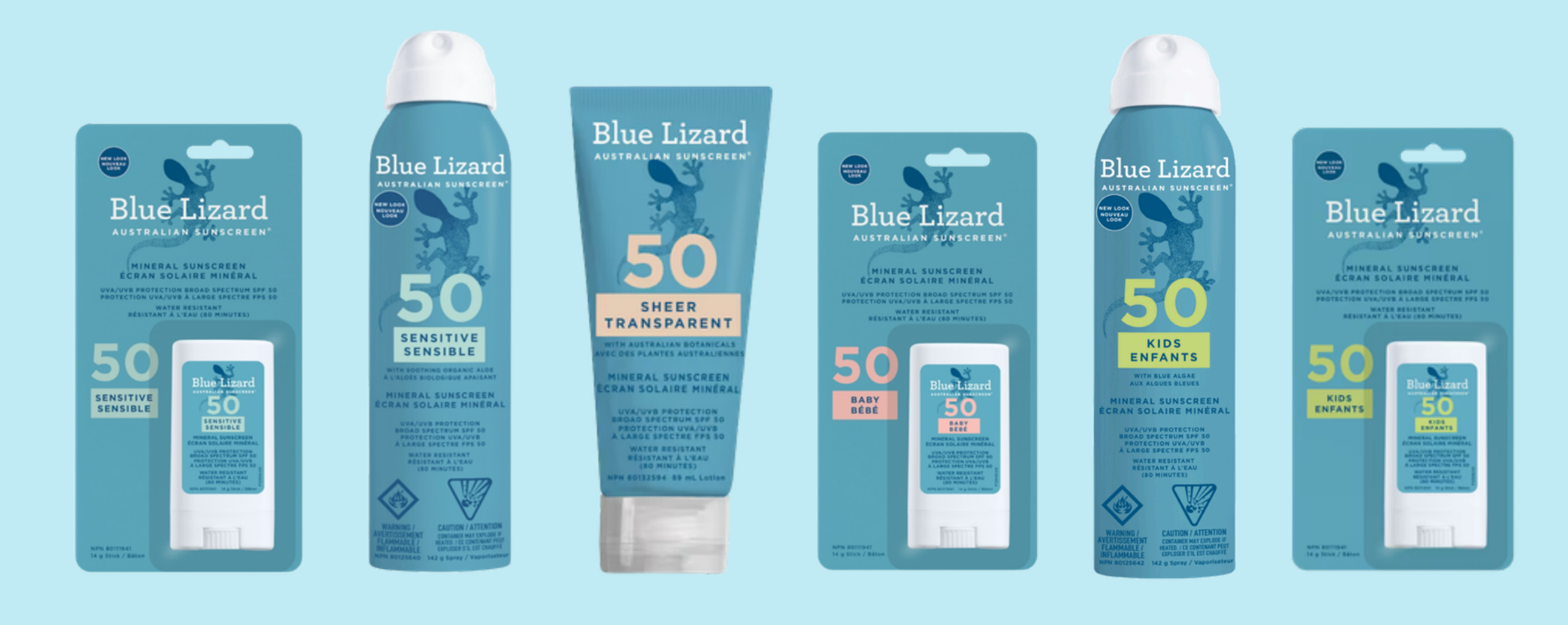
Even diligent sunscreen users can often overlook certain parts of the body, and some may just be more challenging to reach unless you have help. As a single gal on her own in the big city, I keep a spray sunscreen on hand to be able to reach my back and shoulders on my own (or at least until I can meet my friends at the beach!). Blue Lizard from Australia, a country that is famous for its focus on sun protection, makes a great spray sunscreen in a variety of SPFs. If sprays are not your thing, their products come in a variety of formats, including lotions and sticks (especially great for travellers who pack light, since they doesn’t count towards your liquid allowance!) These sunscreens are easy to apply, comfortable to wear, and extremely effective. Beyond your back, remember to protect areas like your ears, neck (front and back), hairline, eyelids, lips and even hands before sun exposure.
Your Face Deserves Special Attention
Facial skin is thinner and often more sensitive than the rest of your body, so it’s important to select dedicated facial sunscreen for the most comfortable and effective sun protection. Knowing your skin type helps, since lightweight gels or matte finishes will suit oily skin, while creamier formulas with hydrating ingredients will be better for dryer skin. Mineral formuals are more suitable for sensitive skin, while acne prone skin will need non-comedogenic products designed not to clog pores to avoid breakouts.
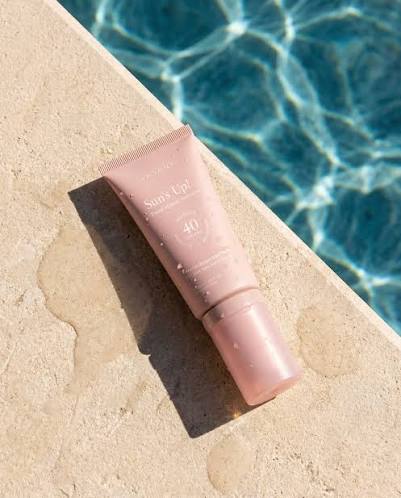
One of my favourite face sunscreens comes from Canadian brand Vasanti. Their Suns Up! Tinted Mineral Sunscreen is a 100% mineral formula that provides broad-spectrum UVA and UVB protection while giving skin a glowy, smoother look with its light tint. This sunscreen is also skincare, providing moisture as well as targeting and fading dark spots over time. It’s the last step in my morning skincare routine and I’ve found myself using less concealer and almost no foundation as a result!
Re-apply frequently for the best protection
One morning application isn’t enough if you’re spending time outdoors, especially if you’re swimming or working up a sweat. As a general rule, you should reapply every two hours, and reapply immediately after swimming, excessive sweating, or towel drying, even if the sunscreen is labeled water resistant.
Sprays, sticks, and powder sunscreens can make touch-ups more convenient throughout the day, though creams and lotions typically provide the most reliable coverage when applied correctly.
Sunscreen Isn’t Just for Summer
UV rays don’t disappear when temperatures drop. Clouds can still allow a significant amount of UV radiation to reach your skin, and snow, water, and sand all reflect sunlight, increasing your exposure. UVA rays can also penetrate windows, meaning your skin is still exposed while driving or sitting near bright windows at home or in the office. Making sun protection a part of your every day skin routine is especially important when it comes to the coldest time of the year. Even if most of your skin is covered in fabric, keep the parts that are exposed safe from sun damage with your usual sun protection products.
Sun protection is important for everyone, and making sunscreen a part of your daily skincare routine is a great way to ensure your skin is protected every day, no matter what the weather or where in the world you may be. Ultimately the best sunscreen is the one you will actually wear. We’ve given you some food for thought, but the best way to find your future favourite skincare is by getting out there and trying them out! By finding a sunscreen you enjoy wearing and making it part of your everyday routine, you’ll be protecting your skin from both the visible and invisible effects of sun exposure for years to come. And your skin will thank you for it.
*header image by Tara Winstead

Nadia Elkharadly
Latest posts by Nadia Elkharadly (see all)
- Living With It – a new album and a conversation with Thea May - September 23, 2026
- ONDA PRO comes to Ontario – The latest in body contouring technology - September 15, 2026