
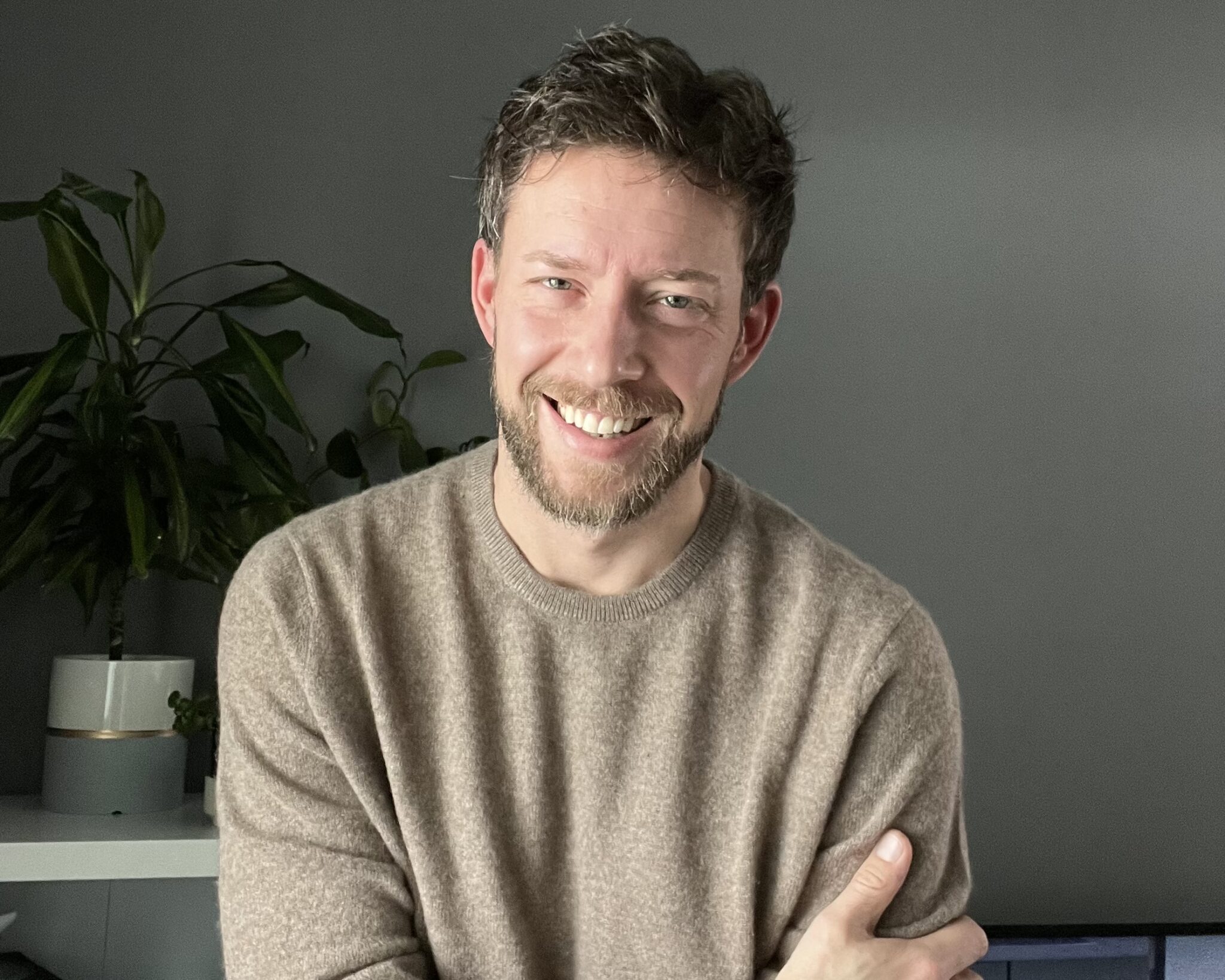
In a day and age that often celebrates the highlight reel, the truth is that most journeys to fulfillment begin in the shadows. My own story is no exception. Before ADDICTED Magazine, before advocacy and public speaking, before I found the peace I have today, I was a homeless addict—lost, alone, and unsure if I’d ever see a better tomorrow.
The Descent: How Chaos Took Hold
A growing sense of disconnection marked my childhood and early adult years, mixed with growing up in the country and not fitting in, knowing from an early age that I was gay, struggling with that, and also seeing now that I had the predisposition to be an addict right from the start. What started as experimentation soon spiralled into dependency. Addiction crept in slowly, disguised as relief, until it became the lens through which I experienced everything. As the substances took over, my relationships suffered, my ambitions faded, and eventually, I lost my home.
Not having a place to call my own became my reality—a cold, unyielding world where survival was the only goal. Nights spent at others’ houses, sleeping on couches, were filled with anxiety and fear. The shame was suffocating. I felt invisible, convinced that my story would close with a terrible ending at a young age.
Many nights I cried myself to sleep, wanting for my life to come to an end so I wouldn’t have to feel the pain of another day, cloudy, depressed and lost in my own failures and sadness.
The Spark of Hope
But even in the bleakest moments, hope has a way of finding us. For me, it was a series of small, almost imperceptible shifts—a kind word from a stranger, the memory of better days, the stubborn belief that I was meant for more, the words I heard repeatedly from my mother. These moments didn’t erase the pain but chipped away at the hopelessness.
I began to imagine a life beyond survival, a life where I could be calm, safe, and whole. The first step was the hardest: admitting I needed help. Vulnerability became my lifeline. I reached out to organizations, friends, and mentors who had walked similar paths. Their support, along with that of my family, my mother in particular, and my determination, marked the beginning of my journey back.
The defining moment was with my mother. Tears streaming down her face, she turned to me and said, “Mark, I need to help you. I can’t watch you destroy yourself. Please let me help you get help.”
Finally, after years of struggling, I said, ok.
Embracing Vulnerability and Seeking Help
Recovery is never linear. There were relapses, setbacks, and days when giving up seemed easier. But each time I fell, I learned something new about myself. Therapy became my anchor. In those sessions, I confronted the trauma and pain that fueled my addiction. I learned to forgive myself, to let go of shame, and to see my story as one of resilience rather than failure.
I can’t stress enough the importance of reaching out to anyone facing similar battles. Asking for help is not a weakness—only courage. It was through these connections that I found the strength to rebuild.
I spent months trying to figure out what had gone so wrong, what feelings I was trying to suppress and why I had let addiction completely take over and almost destroy my life, and while I don’t have all the answers even today, I did find enough to start turning things around, one tiny step at a time.
The Role of Mindfulness
As I worked through recovery, I discovered mindfulness—a practice that would change my life. At first, sitting quietly with my thoughts felt impossible. My mind raced with regret and anxiety. But gradually, mindfulness taught me to observe my thoughts without judgment, to anchor myself in the present, and to find moments of peace even in chaos.
Meditation, journaling, stretching, dancing and breathwork became daily rituals. These practices didn’t erase my struggles, but they gave me tools to manage stress and anxiety. Over time, I learned to find calm not just in quiet moments, but in the midst of life’s storms.
When I felt stressed, I took some quiet time. When I felt anxious, I would go and do some stretching or go for a walk. When I was feeling sad, I would put on some music and sing along, or more often, dance, and those things all became a part of my daily life.
Building Healthy Routines
Calm is not just a state of mind—it’s a lifestyle. As I rebuilt my life, I discovered the power of routine. Small, consistent habits—regular meals, sleep, exercise—became the scaffolding for my recovery. I set achievable goals and celebrated every milestone, no matter how minor. As the years went on, I started marking my anniversaries of success online to remind myself how far I’d come and to let others know it was possible.
Exercise, especially walking outdoors, helped me reconnect with my body and the world around me. Over time, these routines restored my sense of agency and gave me a foundation for growth.
The Power of Community
One of the most profound lessons I learned is that healing happens in community. Whether through support groups, therapy, or friendships, having people who understood my journey made all the difference. They reminded me that I wasn’t alone, that my struggles didn’t define me, and that we could find hope together. Having the love of a partner, family, my best friend and my adopted dog Manny would ultimately make a huge difference throughout the journey, not all of it, but for pieces along the way.
Turning Pain Into Purpose
As I found stability, I felt a growing urge to give back. I started sharing my story—first in small groups, then through writing, and eventually publicly online and in person. Telling the truth about my journey was terrifying, but it was also liberating. I realized that my pain could serve a purpose—that I could help others feel less alone by being honest.
This commitment to authenticity became the foundation of ADDICTED Magazine. We built the publication on the belief that real stories—stories of struggle, hope, and transformation—have the power to change lives.
Calm as a Daily Practice
Today, calm is not something I take for granted. It’s a daily choice, a set of practices that keep me grounded. I still face challenges, but know how to navigate them with compassion and resilience.
- Mindfulness: I meditate each morning, setting intentions for the day.
- Gratitude: I keep a journal, noting small victories and moments of joy.
- Boundaries: I protect my energy by saying no to negativity and focusing on what matters.
- Connection: I reach out to friends and mentors, sharing both struggles and successes.
Lessons Learned
If you’re reading this and struggling to find calm, know that you’re not alone. Here are a few lessons from my journey:
- Healing is possible, no matter how far you’ve fallen.
- Vulnerability is strength, not weakness.
- Small steps, taken consistently, lead to big changes.
- Community is essential—don’t be afraid to reach out.
Sharing My Story
You can read more about my journey from homelessness and addiction to calm and clarity on weraddicted.com. I share these experiences not because they’re easy to revisit, but because I know someone out there needs to hear them.
For additional support, check out CAMH’s mental health and addiction resources.
Looking Forward
Finding calm is an ongoing journey. There are still days when anxiety creeps in, when old doubts resurface. But now I have the tools, the community, and the self-compassion to weather those storms. My hope is that by sharing my story, I can offer a roadmap for others—proof that no matter where you start, peace is possible.
If you’re on your own path to calm, keep going. The journey is worth it.
*If you’re looking for help or guidance to make a change in your life, visit my help page today to access information, my course, and an array of other resources.
(Read part two of my story, The Healing Power of Connection, here)

markmunroe
Founder, CEO at ADDICTED Media Inc
Mark Munroe is the Creator and EIC of ADDICTED. He's ADDICTED to great travel, amazing food, better grooming & probably a whole lot more!
Latest posts by markmunroe (see all)
- Mandolin – The Quiet Instrument That Comes Alive at Concerts - October 23, 2026
- The Growing Allure of High Adrenaline Weekend Escapes - October 2, 2026