
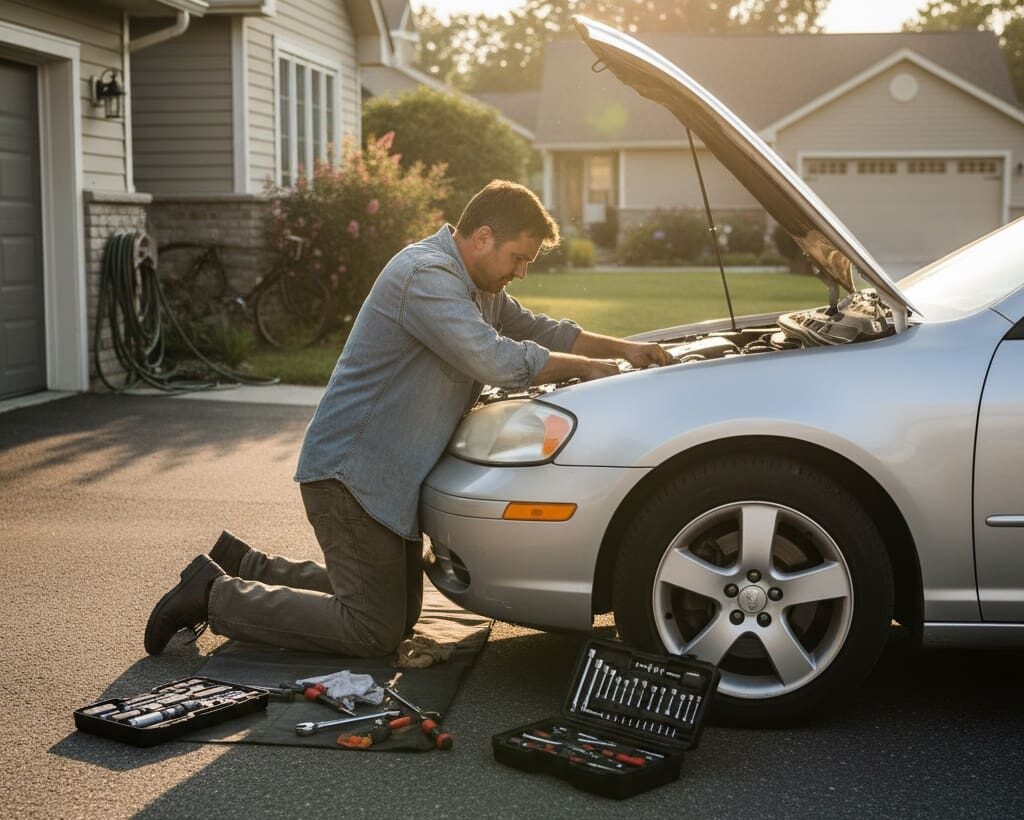
Even the most reliable car will eventually need attention. Time, weather, and daily use all take their toll, leading to the occasional rattle, flicker, or squeak. The good news is that not every issue calls for a trip to the mechanic.
With a few tools, a bit of patience, and access to dependable auto parts, you can handle more repairs yourself than you might think.
How to Handle Squeaky Brakes and Worn Pads
Few things grab your attention faster than a squeal when you press the brake pedal. It is often the sound of brake pads nearing the end of their life. You might also notice longer stopping distances or a pulsing sensation through the pedal. Replacing pads is not as daunting as it seems; many drivers do it at home with a simple toolkit and the correct replacement parts.
While you are in there, it is smart to check the rotors too. If they are scored or uneven, resurfacing or replacing them can restore smooth braking. Taking the time to do it right keeps you safe and your wallet intact.
Replacing Faulty Headlights and Tail Lights
A blown headlight or taillight can put you on the wrong side of the law. Thankfully, changing bulbs is one of the simplest maintenance jobs. Most vehicles let you access the light housing from the engine bay or boot, so there is usually no need for special tools.
The trick is knowing exactly which bulb type your car uses before buying replacements. A quick check of your owner’s manual or an online parts guide saves a lot of guesswork. With the right bulb fitted, you’ll be back to full visibility and safety in minutes.
Battery Troubles That Don’t Always Need a Mechanic
If your car hesitates when you turn the key, don’t assume the battery’s dead. Sometimes, all it takes is a bit of cleaning and tightening. Corroded or loose terminals can interrupt the electrical connection, making it seem like the battery’s gone flat. A gentle scrub with a wire brush and a snug fit on the posts can solve the issue.
Of course, if the battery truly is on its last legs, replacing it is not too difficult either, just remember to double-check the specifications before installing a new one.
Addressing Worn or Damaged Wiper Blades
When the heavens open and your wipers just smear the rain instead of clearing it, it is time for new blades. Wiper rubber hardens and cracks over time, especially if your car sits in the sun or endures cold snaps.
Replacing them takes less than five minutes and rarely needs a single tool. Just match the blade length to your vehicle model, clip the new ones in, and you’re done. Clear vision on the road is not optional but essential.
Fixing Engine Air Filter Blockages
Don’t overlook the air filter if your engine feels sluggish or your fuel bill suddenly climbs. A clogged filter makes your engine work harder, cutting performance and efficiency.
Swapping it out is straightforward: just pop the hood, release the clips on the air box, and replace the old filter with a new one. It is a quick, inexpensive job that can instantly make your car feel more responsive.
Spotting and Replacing a Failing Thermostat
Temperature gauges that dance around or a heater that blows cold air are signs your thermostat might be sticking. While this job is a touch more advanced, it is still within reach for confident DIYers. The key is patience and following each step carefully, draining some coolant, removing the housing, and securely fitting the new thermostat.
Doing it properly helps your engine maintain the right temperature and prevents costly damage down the track.
Know When to Call a Professional
Of course, some jobs are best left to the professionals. Trained technicians should always handle complex diagnostics, transmission issues, or anything involving airbags.
Still, learning how to manage the simpler stuff puts you in control. You will recognize warning signs sooner and make better decisions about when to get expert help.

Jessica Alexander
Latest posts by Jessica Alexander (see all)
- Smart Money Habits That Can Help During Financial Emergencies - June 4, 2026
- Yacht Charter or Cruise? How to Choose Your Best Luxury Escape at Sea - December 15, 2025