

For Syreeta Hector, the unfortunate reality of not fitting in as a Black person started young, in Saint John, NB.
She always wanted to be a dancer, but quit while in NB to do horseback riding. She recalls both spaces lacking representation. “I have this vivid memory of going to a community center danceathon, and one of the little girls was like, ‘why do you look like that?’ So I quit. I did not do dance in New Brunswick at all.” From there Hector moved to North Carolina where she decided to pursue dance as a high school elective. There was a Black dancer there who pushed Hector to pursue ballet. She then went to National Ballet School back in Toronto followed by the Performance Dance Arts Institute and the School of Toronto Dance Theatre.
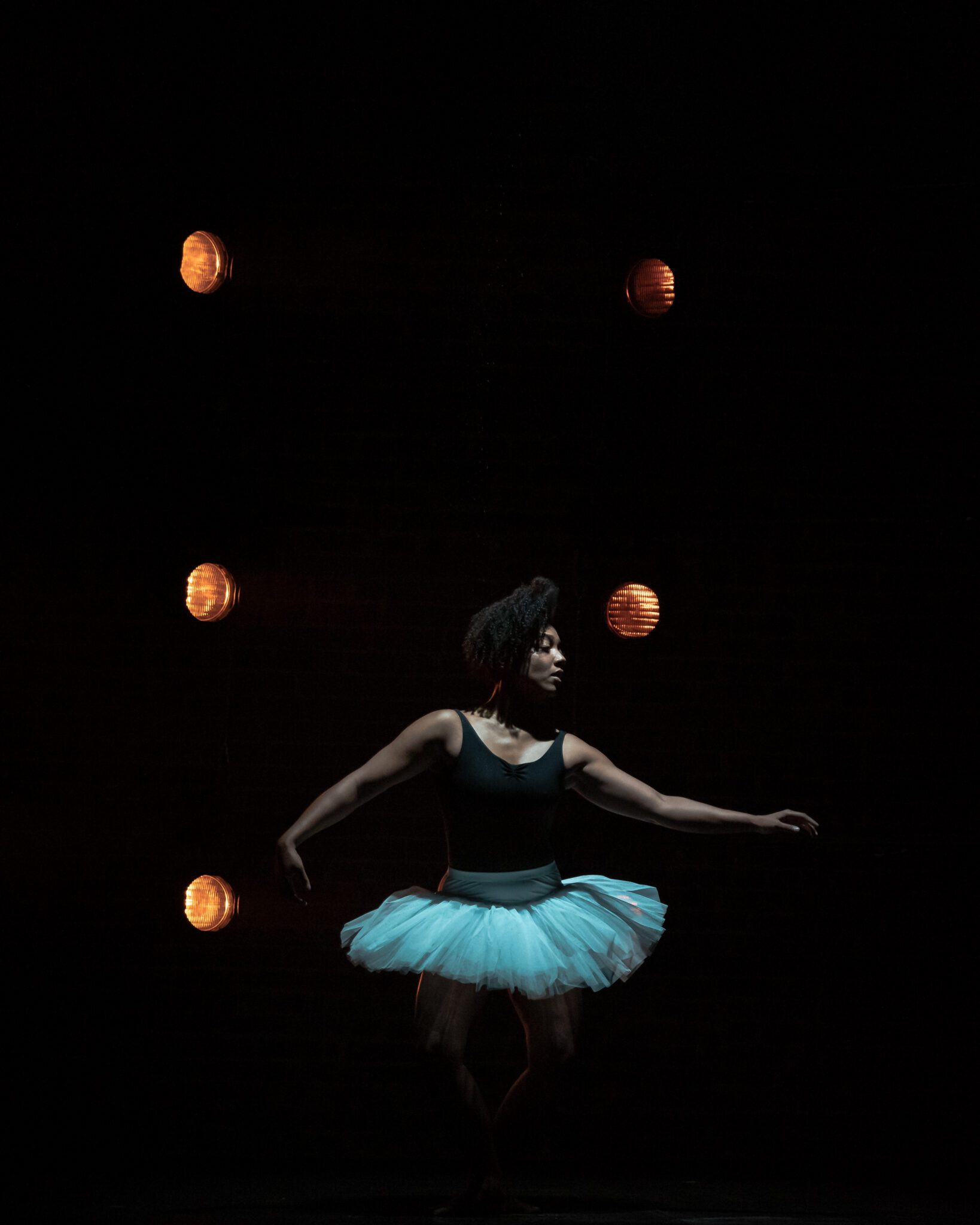
The basis of the show Black Ballerina, which she is performing May 23rd to 25th is what she did her Master’s on at York University – her family history. “Black Ballerina is about how all of us, not just Black people, have attempted to fit into somewhere, to something – unconsciously or consciously. How do we navigate these spaces and why do we have to navigate? Why do we have to pull away from parts of our identity in order to fit into certain spaces? That’s what Black Ballerina’s about too – and I think that Black Ballerina is really about this future. What can we see for this future? Recently we did this talk back in Calgary after a performance and there were people in the audience that had never seen dance before and were like, ‘Syreeta, I am a Black female in the corporate world in Calgary, and you danced how I feel every day’. This is the potential of dance.” Hector adds that Black Ballerina is the physical showing of emotions that would otherwise live in her journal.
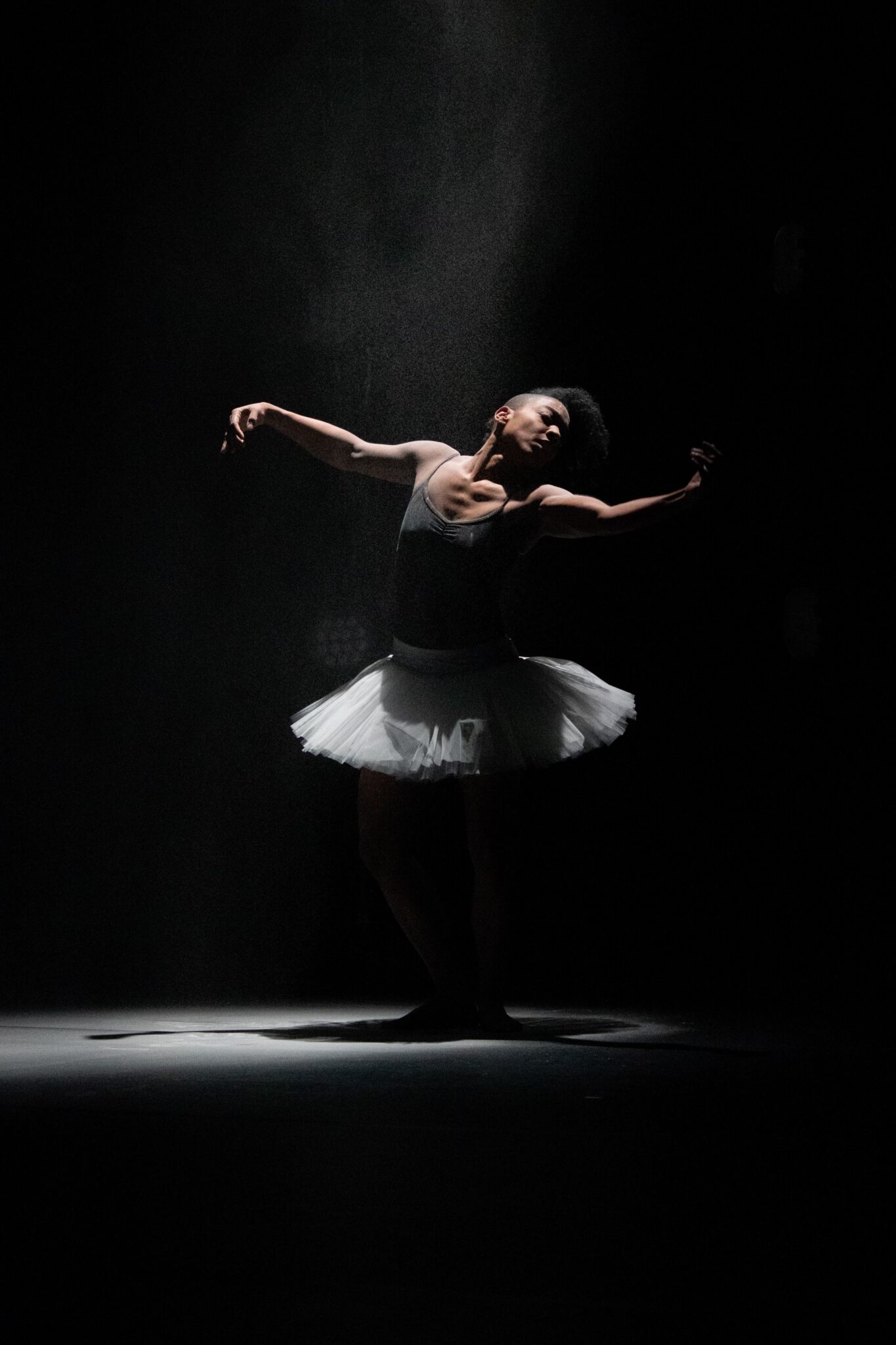
The first half is of Black Ballerina is very structured, Hector shares, while the second half is all based on improvisation and freedom. “How do we navigate these spaces and work within this structure? This is the framework of the actual piece. You’ll see sometimes that it’s really based on improvisation and also bringing forth everything that I am, every part of dance that lives within me.”
Ballet, street, dance, just free movement. So in the piece you’ll see kind of all like a lot of different aspects of dance. And so yeah, it’s about bringing forth the frustration. It’s also about creating frameworks of freedom within it, and I think you see that in the work.
With Decolonization, Equity, Diversity and Inclusion efforts waning – Hector has noticed that there is still space for her and her show in the arts scene. “There is momentum for these things during the Black Lives Matter movement. Even before the Black Lives Matter movement happened, Black Ballerina was already a work in progress for me. I knew I wanted to articulate these things through movement for me to get them out instead of putting it on paper.Once the Black Lives Matter movement happened everything started to ramp up even more. The momentum to bring in DEDI, to bring in Syreetato do these things, to activate these things happened so fast, it’s like a rolling ball of yarn just going so fast. Even for right now, for us in this space, we have not fixed everything yet. We’re kind of going back. It’s so nice to have the privilege and honor to continue to share this stuff because it’s still working. There was a question in Calgary, ‘how do we navigate what’s happening in the US in Canada’ and what I said is, ‘I think we should continue to move forward until we can’t’. I think that’s so important, especially right now. We have this opportunity to work in a different way, to work in a different way than our neighbors. So what can that be? What can that be for us in our identity, in our Canadian history? What do we wanna say?”
A lot of Hector’s work in advocacy stems from her father, Normand Hector. There’s always been this essence of advocacy and also this essence of following your own path, following your dreams, doing what your heart and your intuition is telling you. I feel like that is so a part of who he is and also a part of who I am. There’s like this underlying history of bringing forth people.If we look at my family history, like if we look at the Drummond side, there’s all of this like Black history and advocacy and being community leaders. And that’s also my dad. He’s such a community leader, mentor, giver. This is also from his mom, my grandmother.”
Hillary LeBlanc
Latest posts by Hillary LeBlanc (see all)
- The Pink Pill Sheds Light on The Dismissal of Women’s Health and Rights - March 13, 2026
- Big Filipino Flavour at Makilala - March 9, 2026