
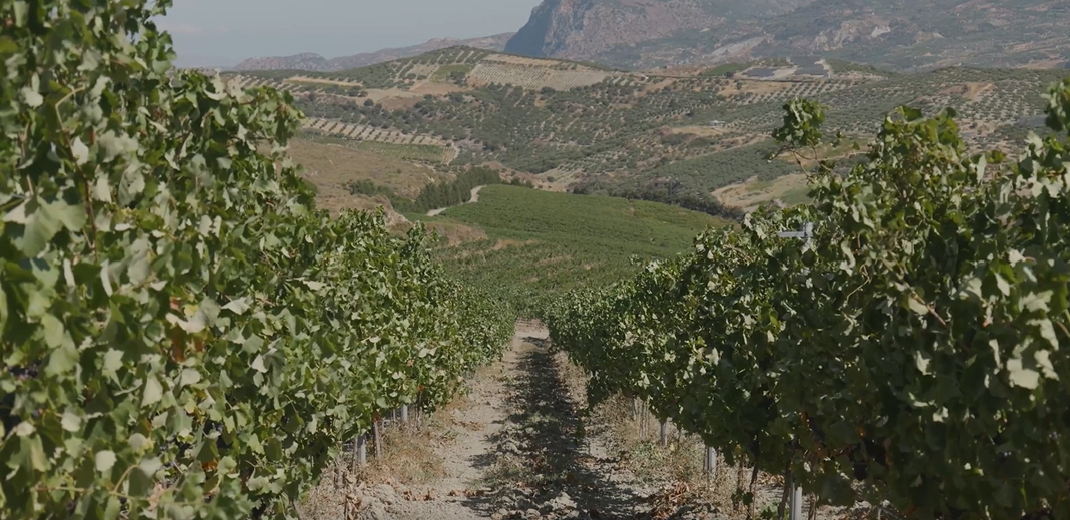
There are few places in the world where history, food and wine feel as inseparable as they do on the island of Crete.
Long before your first glass is poured, the journey begins with the landscape. Mountain villages cling to rugged hillsides, olive groves stretch toward the sea and vineyards appear around winding roads that have been travelled for thousands of years.
Many visitors arrive dreaming of turquoise beaches and whitewashed villages. They leave talking about the wine.
Crete is Greece’s largest island, but despite its extraordinary wine heritage, it remains one of Europe’s most underrated culinary destinations. The island has been producing wine since the time of the Minoans, making it one of the oldest continuously cultivated wine regions in Europe. Today, that history comes alive in family-run wineries, traditional tavernas and vineyard-covered hills that invite travellers to slow down and savour every moment.
Discovering Handakas–Candia
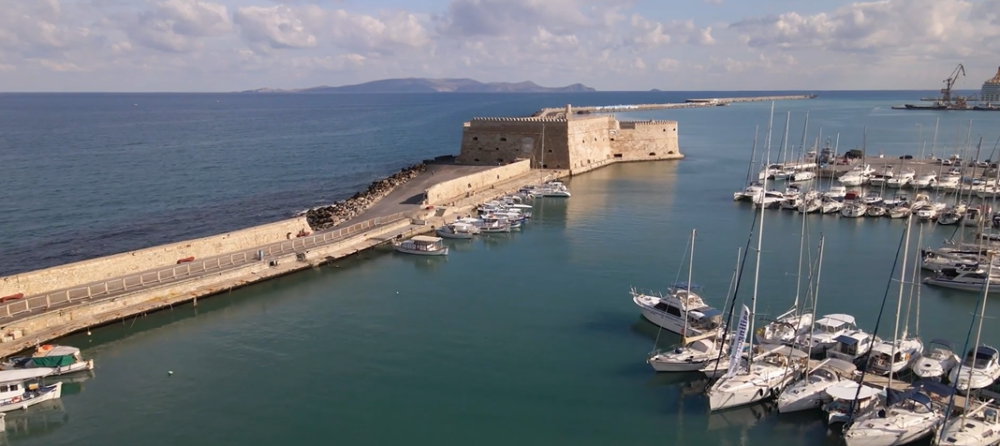
One of the island’s most exciting wine regions is PDO Handakas–Candia, located in the heart of Heraklion.
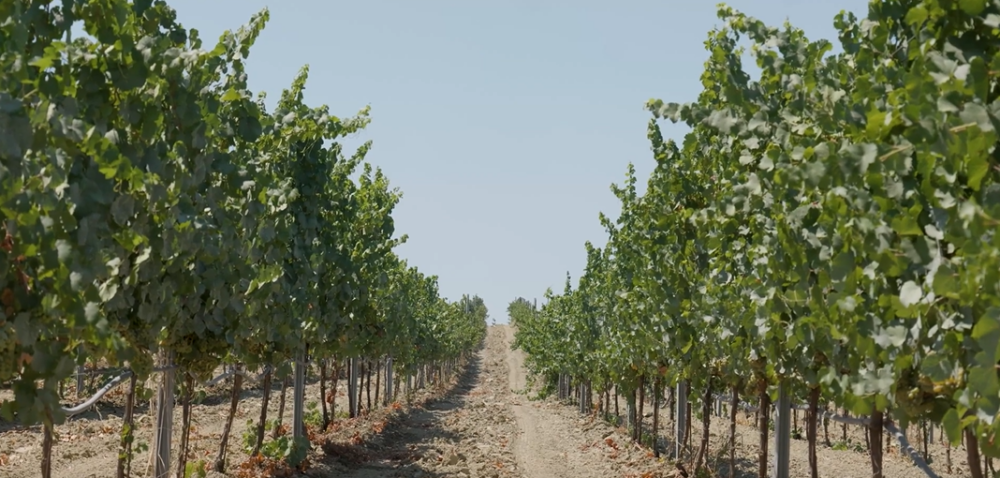
Officially recognized as a Protected Designation of Origin in 2011, the appellation honours both Crete’s ancient heritage and its modern renaissance. Vineyards rise along mountain slopes where warm Mediterranean days are tempered by cooling northern breezes, creating ideal conditions for growing grapes that have called this island home for centuries.
It’s impossible to visit without noticing how connected everything feels. Vineyards sit beside olive trees. Local cheeses are served with wines grown only minutes away. Lunch stretches into the afternoon as bottles are shared between friends and family.
Wine here isn’t reserved for special occasions.
It’s simply part of everyday life.
Tasting the Island
Every destination has flavours that define it.
In Crete, those flavours begin with indigenous grape varieties.
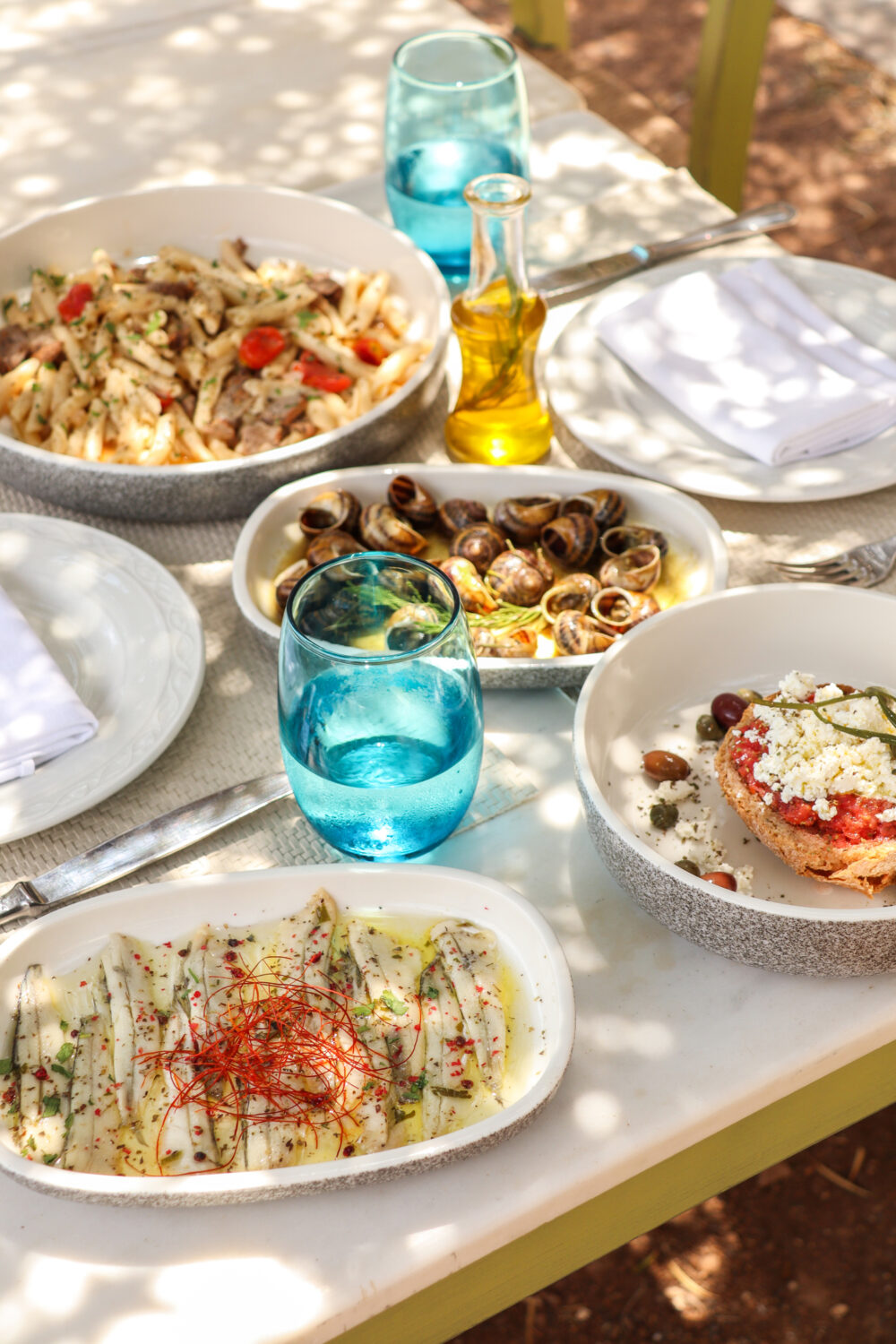
Vilana is the island’s signature white grape, producing refreshing wines layered with citrus, orchard fruit and delicate floral notes. Paired with grilled octopus, fresh fish, local cheeses or a classic Greek salad, it perfectly captures the relaxed rhythm of Mediterranean dining.
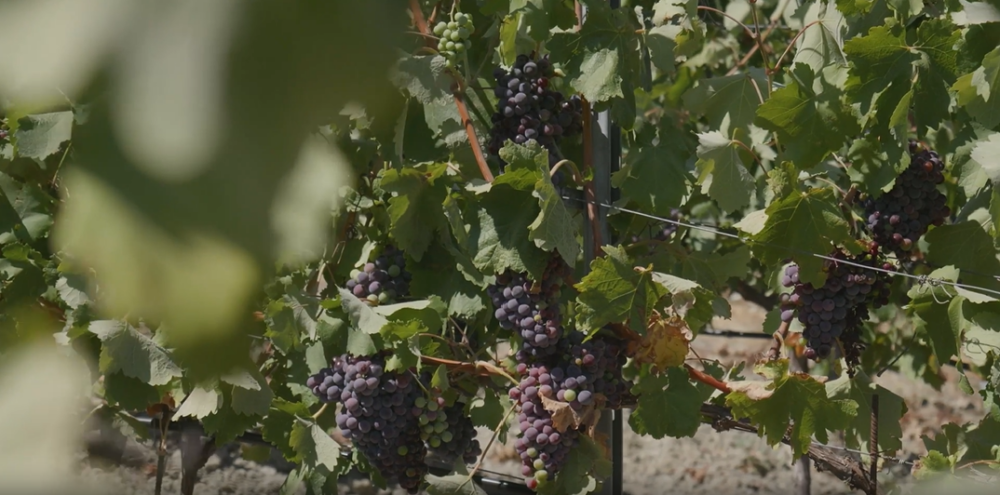
For red wine lovers, Kotsifali and Mandilaria offer an equally memorable experience. One contributes ripe fruit and soft spice, while the other provides colour, structure and depth. Together they create wines that complement everything from slow-roasted lamb to grilled vegetables and traditional Cretan cuisine.
These are flavours that simply belong here.
Where History Still Lives
One of the most remarkable parts of travelling through Crete is realizing that wine has always been woven into its identity.
The Minoans were producing wine thousands of years ago, making the island one of the earliest centres of viticulture in Europe. Later, Venetian influence helped establish Candia as one of the Mediterranean’s important trading centres, a legacy that still lives on in the name of today’s PDO. Every glass connects modern visitors with generations of growers who have farmed these hillsides for centuries.
Why Wine Lovers Should Visit Crete Now
While destinations like Tuscany and Bordeaux have long attracted international wine tourism, Crete still offers something increasingly rare: authenticity. Visitors can enjoy intimate winery visits, meet the people behind the wines, dine on local cuisine and discover grape varieties found nowhere else in the world.
There’s no rush. No crowded tasting rooms.
Just generous hospitality, spectacular scenery and wines that genuinely reflect the landscape around them. For travellers searching for destinations that combine culture, history and unforgettable food, Crete may well become the Mediterranean’s next great wine escape.

Latest posts by Renee Sferrazza (see all)
- The Red Wine for People Who Aren’t Ready for Summer to End - September 12, 2026
- The Wine Roads of Crete: A Journey Through Greece’s Oldest Vineyard - July 22, 2026