
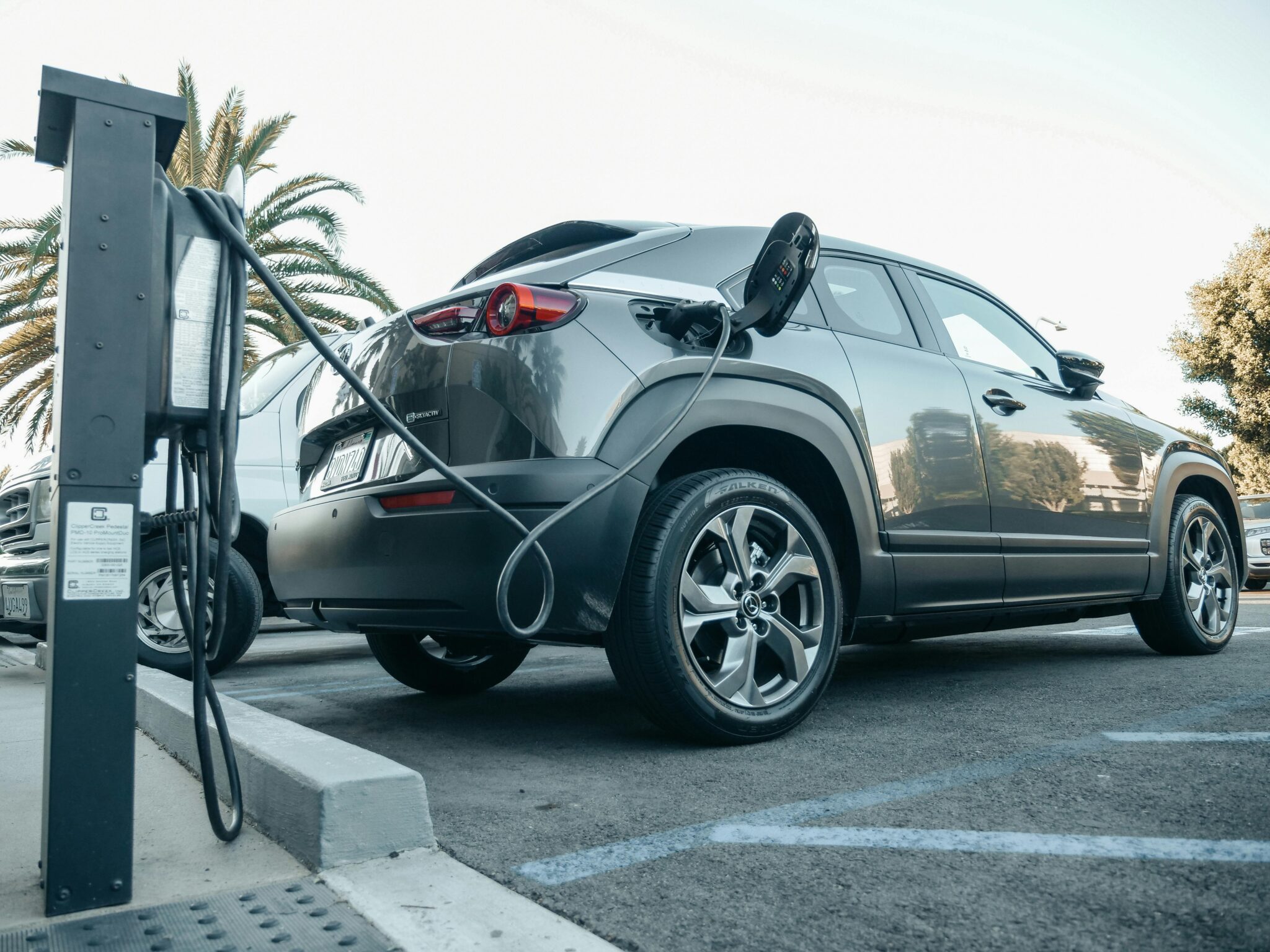
Very quietly, EVs have unleashed a revolution in and for personal transport, promising the ‘green’ and ‘sustainable’. Along with this rapidly growing EV adoption, the EV infrastructure is also growing at a fast pace and in a fast-growing concern: ev charging station fire safety. With unique characteristics of lithium-ion batteries, high voltage electrical systems involved in charging, and the diverse environments in which stations are being put, a new dimension has been added to existing challenges. Fire safety measures corresponding to the evolving hazards might affect the substance and fate of public safety, the integrity of infrastructure, and the acceptance of electric mobility.
One of the main safety matters for fires at the EV charging stations arises from the risk of thermal runaway in lithium-ion batteries. It is a chain reaction–overcharging, physical impacts, manufacturing defects, or extreme temperatures may cause it–when extreme heat is generated along with smoke, flammable gases, fire, or even explosions. In a very real sense, deadlier than gasoline-vehicle fires, EV battery fires will definitely burst out intensely, last for a longer time, and require very large quantities of water for extinguishing due to their thermal nature. The charging infrastructure, with very high voltages, could cause the actual risk of electrocution to first responders or even bystanders in the absence of proper safety measures and protocols. Moreover, the setting of the charging stations may be anywhere: from a residential garage through public parking lots to underground facilities and roadside installations; thus, several environmental factors become pertinent for either a fire risk or a fire suppression mechanism. Containment and prevention of fires must be looked into with proximity-to-buildings, to-other-vehicles, and pedestrian-traffic factors guiding the discussions for the particular deployment scenario.
The emerging hazard posed by these changing fire scenarios necessitates an approach encompassing a multitude of aspects: safety standards, detection systems, and fire suppression technologies. Building regulations with a parallel industry code are slowly being updated to set out more specific requirements relating to the installation of EV charging stations, including ventilation considerations, separation distances, and the provision of fire extinguishing facilities. Early detection systems able to pick up the onset of thermal runaway, for instance, by way of rising temperatures or the release of certain gases, are vital in warning in time for intervention.
Traditional water-based systems, while capable of cooling and suppressing flames, may certainly not be considered the most viable solution in the various fire scenarios that can arise in an EV charging station, especially when energized electrical equipment might be involved. This has given rise to a growing curiosifying of and implementation of specialized fire suppression agents, including the clean agent systems: in particular, the fk-5-1-12 clean agent fire suppression system. A synthetic halocarbon is something of an ideal mix of effectiveness and safety in an electrically sensitive environment. This agent achieves fire suppression by rapidly absorbing heat and interrupting the combustion process; however, it does so without depositing any conductive or corrosive residues that might harm the charging infrastructure or the vehicles themselves. Especially during attempts to suppress fires at high-voltage charging stations, the ability of the fk-5-1-12 clean agent to not conduct electricity provides an added safety benefit. An additional environmental bonus is that it has a low global warming potential and a short atmospheric lifetime, positioning it as a much better alternative than some older halon-based agents. Implementing such another safe fire-suppressing agent along with sturdy detection and alarm systems can, therefore, greatly improve safety at EV charging stations and give much-needed protection to property and, most importantly, human life.
This transition to mobility via electric power will perhaps be the essential step towards a sustainable future, thus calling for an integrated and proactive fire safety perspective. Recognizing the peculiar hazards associated with EV charging and designing prevention, detection, and suppression systems–among other measures–in a way that includes the judicious use of new technologies such as the fk-5-1-12 clean agent fire suppression system will truly make sure electric vehicle adoption moves forward on a safe path. With the evolution of the EV landscape, further R&D efforts and concerted collaboration across industry stakeholders, legislators, and fire safety experts will have to strengthen the fire mitigation threats to build a sturdy infrastructure for a new age of transportation.

markmunroe
Latest posts by markmunroe (see all)
- What I Pay Attention to Now - January 21, 2026
- Living Between Trips, Homes, and Creative Projects - December 27, 2025