
In a world that often feels like it’s moving too fast, finding balance can be a challenge. The pressure to keep up, stay connected, and succeed can leave us feeling overwhelmed, anxious, and drained. While there are many strategies to support mental health, one of the most effective—and surprisingly simple—tools is right at our fingertips (and our feet): everyday movement.
Exercise is well-known for its physical benefits, but its impact on mental health is equally powerful. Whether it’s a brisk walk around the block, a short dance session in your living room, or a few stretches between meetings, moving your body can work wonders for your mood, mindset, and overall well-being.
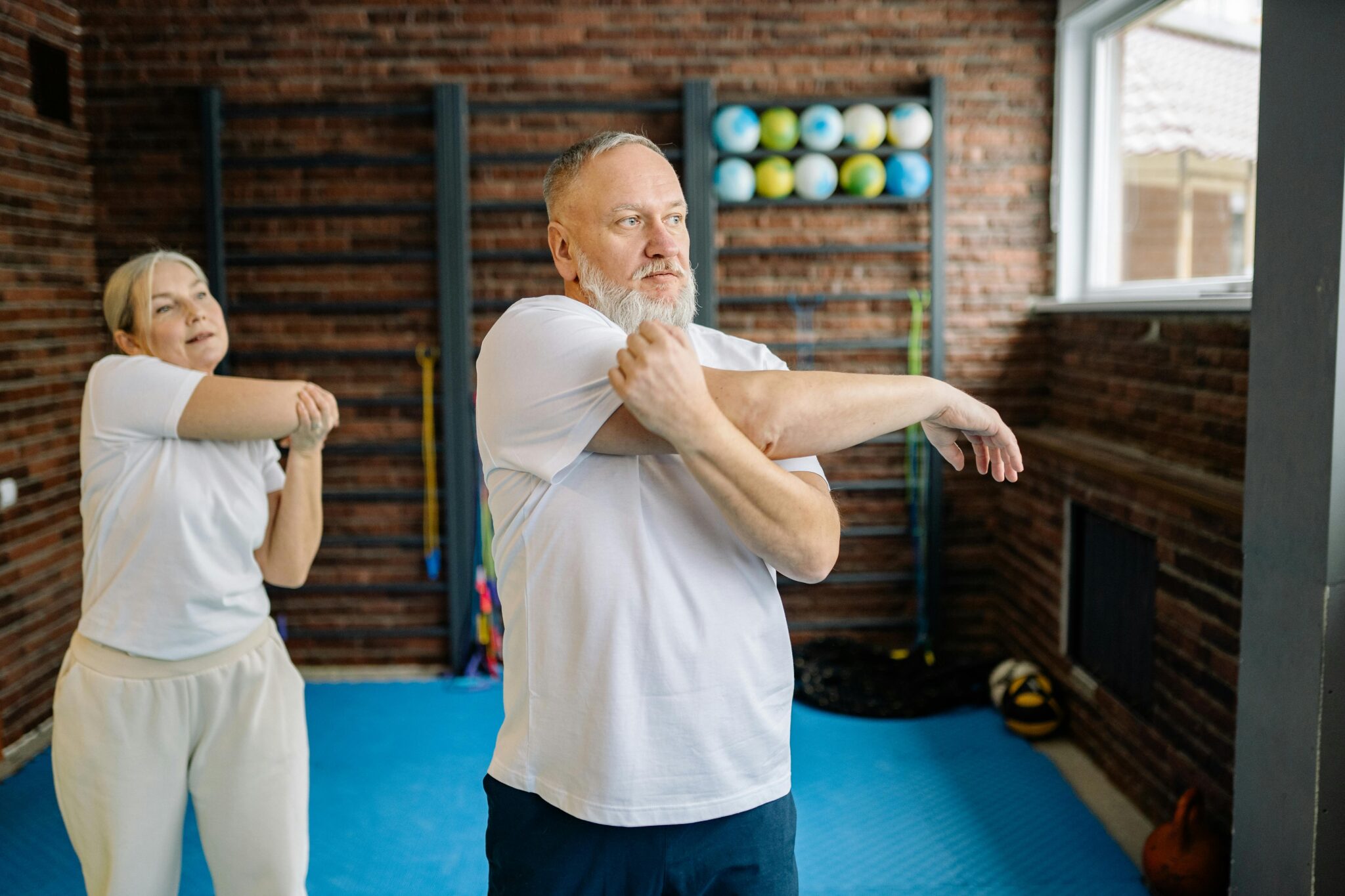
Photo by Yan Krukau
The Science Behind the Movement
The connection between exercise and mental health isn’t just a feel-good theory—it’s backed by science. When we engage in physical activity, our brains release endorphins, the natural “feel-good” chemicals that promote a sense of happiness and reduce pain perception. In addition, exercise increases the production of other mood-boosting neurotransmitters like dopamine, serotonin, and norepinephrine, all of which play crucial roles in regulating mood, motivation, and anxiety levels.
Studies have consistently shown that regular physical activity can reduce symptoms of depression, anxiety, and stress. In fact, some research suggests that for mild to moderate depression, exercise can be just as effective as antidepressant medication. And the best part? The benefits kick in quickly—sometimes within just a few minutes of movement.
Small Moves, Big Impact
You don’t have to train for a marathon or hit the gym for hours to see results. In fact, some of the most impactful changes come from simple, everyday activities. Walking the dog, taking the stairs instead of the elevator, gardening, or even cleaning your home can all contribute to better mental health.
The key is consistency over intensity. Building movement into your daily routine—whether it’s five minutes of stretching in the morning or a 10-minute walk after dinner—helps regulate your mood and energy levels throughout the day. It can also provide a sense of routine and accomplishment, which is especially important during times of stress or low motivation.
Exercise as a Coping Tool
For many people, physical activity becomes a form of active meditation—a way to quiet the mind and focus on the present moment. Rhythmic movements, like running or swimming, can induce a state of flow that’s similar to mindfulness or meditative practices. This focus helps interrupt negative thought patterns and promotes a sense of calm.
In difficult moments, movement can also serve as a healthy coping mechanism. Instead of turning to screen time, snacks, or isolation, choosing to go for a walk or do a few yoga poses can provide both a physical release and an emotional reset.
Social Benefits of Moving Together
While solo workouts are great, group activities offer an added layer of emotional support. Joining a walking group, taking a dance or fitness class, or even just meeting a friend for a hike can help foster connection and reduce feelings of loneliness and isolation.
Social interaction itself is a powerful mood booster, and combining it with movement creates a double benefit. Plus, having a workout buddy can increase accountability and motivation, making it easier to stick with a routine.
Movement for All Ages and Abilities
One of the most beautiful things about exercise is that it’s inclusive. There’s no one-size-fits-all approach—what matters most is finding something that you enjoy and that suits your body’s needs. From gentle chair yoga for seniors to high-energy HIIT classes for fitness fans, there’s a form of movement for everyone.
For those dealing with chronic pain, limited mobility, or mental health challenges, starting slow and consulting a healthcare professional can help build a sustainable and supportive movement plan. Even light activity has been shown to offer significant mental health benefits.
Movement and Self-Esteem
Physical activity doesn’t just help you feel better emotionally—it also boosts how you feel about yourself. Regular movement has been linked to increased self-esteem and body confidence, especially when the focus shifts away from weight loss or appearance and toward strength, energy, and personal progress.
When you set and achieve movement goals—no matter how small—you reinforce a sense of self-efficacy. You prove to yourself that you can take action, follow through, and prioritize your well-being, which can be deeply empowering.
Creating Your Mood-Boosting Routine
If you’re ready to move your mood, start with what feels doable—not daunting. Here are a few simple ideas to help you get started:
-
Morning Stretch: Begin your day with five minutes of gentle stretching to wake up your body and mind.
-
Movement Breaks: Set a timer every hour to stand up, stretch, or take a quick lap around your home or office.
-
Walk and Talk: Turn phone calls into walking meetings to combine movement with connection.
-
Dance It Out: Put on your favorite playlist and dance like no one’s watching (because they probably aren’t).
-
Mindful Movement: Try yoga, tai chi, or Pilates to combine physical activity with mental clarity.
The key is to treat movement as a form of self-care, not a punishment or obligation. Listen to your body, honor your limits, and celebrate your efforts.
A New Perspective on Exercise
Too often, exercise is marketed as a way to “fix” something—your body, your weight, your life. But what if we reframed it as a tool for nurturing ourselves instead?
When we move with intention and joy, we begin to shift the narrative. Exercise becomes less about discipline and more about wellness, less about control and more about freedom. It becomes a way to reconnect with ourselves, release stress, and build resilience.
So the next time you’re feeling overwhelmed, anxious, or low, remember: you don’t have to wait until you feel better to move. Sometimes, moving is what helps you feel better.
Take a breath. Take a step. And let the movement move your mood.

markmunroe
Latest posts by markmunroe (see all)
- What I Pay Attention to Now - January 21, 2026
- Living Between Trips, Homes, and Creative Projects - December 27, 2025