
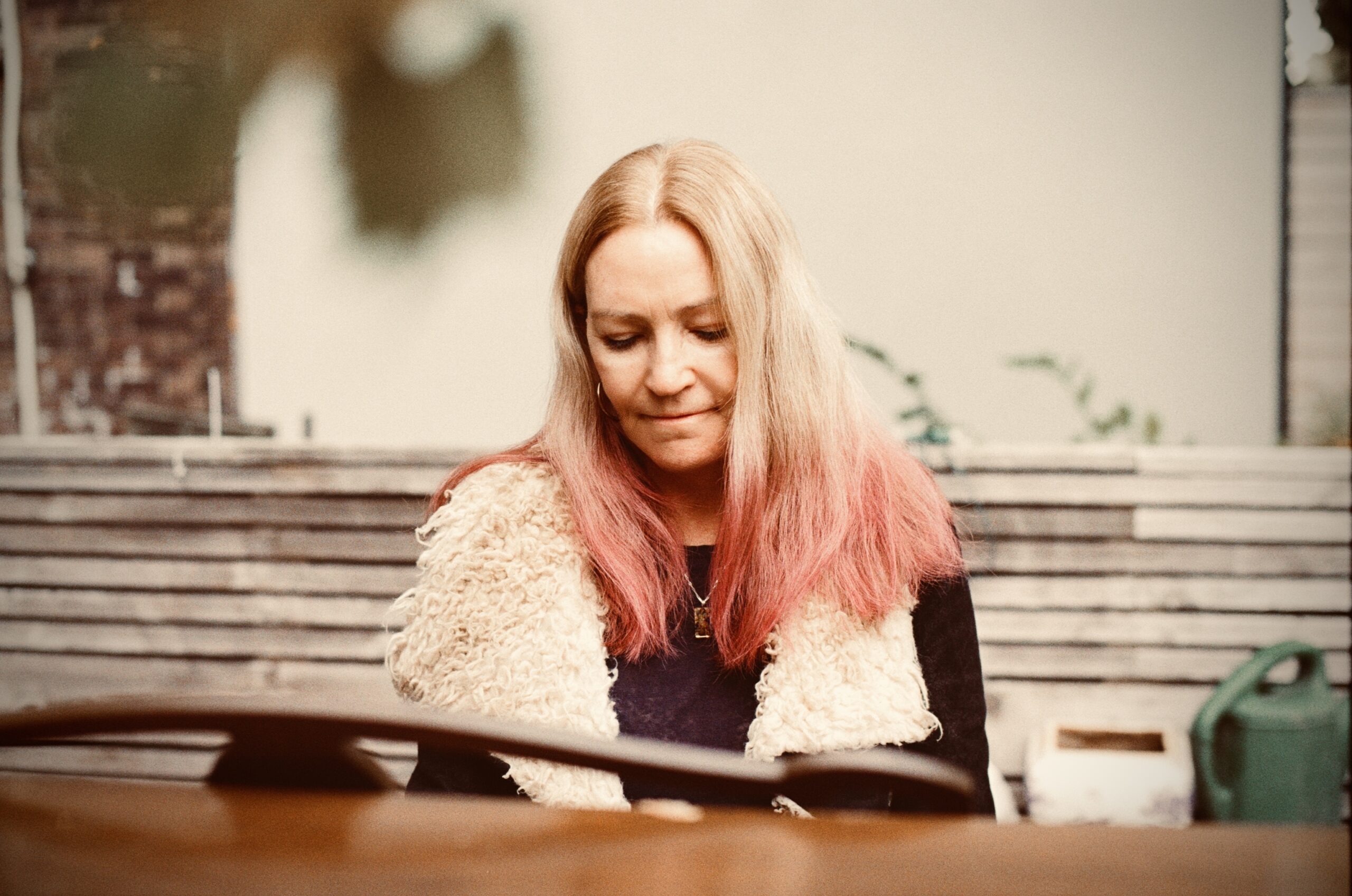
Canadian singer-songwriter Suzanne Jarvie returns with her most symbolically dense and emotionally expansive work to date in mother’s day, due February 20, 2026 via Wolfe Island Records in North America and May 15, 2026 via Continental Record Services in Europe. While Jarvie is often situated within folk and Americana traditions, this record pushes decisively beyond genre boundaries into mysticism, mythology, and subconscious terrain.
Jarvie’s songwriting journey began unexpectedly with Spiral Road, written after her son’s near-fatal accident. The album’s emotional depth drew international attention and a Best Concept Album nomination at the Independent Music Awards. Her follow-up, In the Clear, expanded her thematic focus on motherhood, trauma, and spiritual endurance. With mother’s day, she advances further into confrontation and surrender—an album she describes as shaped by anger, depression, devotion, and eventual acceptance.
Musically, Jarvie’s voice carries a dark, magnetic intensity reminiscent at times of PJ Harvey, Joni Mitchell, or Patti Smith—artists known for probing emotional and artistic edges. Five of the nine tracks were composed on piano, reflecting Jarvie’s classical training and lending the record a stark, elemental foundation. The arrangements often feel spacious yet charged, allowing lyrical symbolism to remain front and center.
Thematically, mother’s day circles grief in motherhood—accepting multiple coexisting realities that do not neatly resolve. Jarvie confronts personal loss alongside broader cultural anxieties, including male violence toward the Earth and imbalances of power between men, women, and nature. The title track critiques humanity’s fractured relationship with the planet, while songs such as “Polonium” reference the poisoning of Alexander Litvinenko, situating intimate sorrow within geopolitical violence. “40%” addresses the anguish of parents navigating children’s substance use disorders, and “Caterpillar” unfolds as a lullaby-lament about loving a child one cannot ultimately save.
Elsewhere, “Honeycomb” explores fear’s distortion of imagination, “Charity” urges full engagement with life despite suffering, and “Nicole” meditates on the enduring presence of the dead. “Lifeline,” written by David Corley, offers a rare exploration of romantic love within Jarvie’s catalogue, while “Temporary Emissary” functions as a reflective life review and tribute to her daughter Claire. Notably, both of Jarvie’s daughters contribute backing vocals, weaving familial presence directly into the album’s sonic fabric.
Visual symbolism plays a significant role in the album’s presentation. Conceived by Jarvie and illustrated by Canadian artist Kima Lenghan, the cover art evokes the mythic imagery of Watership Down, complete with references to the Black Rabbit of Inlé. Styled like an 18th-century engraving, it portrays Jarvie in a forest clearing holding a baby, surrounded by her children and watched over by both rabbits and the reaper. The imagery reinforces the album’s preoccupation with fertility, survival, predation, and renewal—suggesting parallels between the womb and the warren, between the Earth and the maternal body.
The release of the “Caterpillar” video further underscores these themes. Featuring footage from Becoming by Dutch filmmaker Jan van IJken and edited by Antonia LaMantia, the video lingers on embryonic development as a meditation on genesis, fragility, and the divine feminine. It mirrors the album’s broader insistence that brokenness and creation are intertwined.
Throughout mother’s day, Jarvie presents grief not as a closed chapter but as an ongoing landscape—one marked by rage, realism, devotion, and hope. The album does not offer tidy resolution; instead, it proposes acceptance as an “energetic conclusion,” a surrender that is both defiant and life-affirming. In doing so, Suzanne Jarvie delivers a work that is deeply personal yet mythically scaled, rooted in folk storytelling while unafraid to wander into darker, symbolic woods.
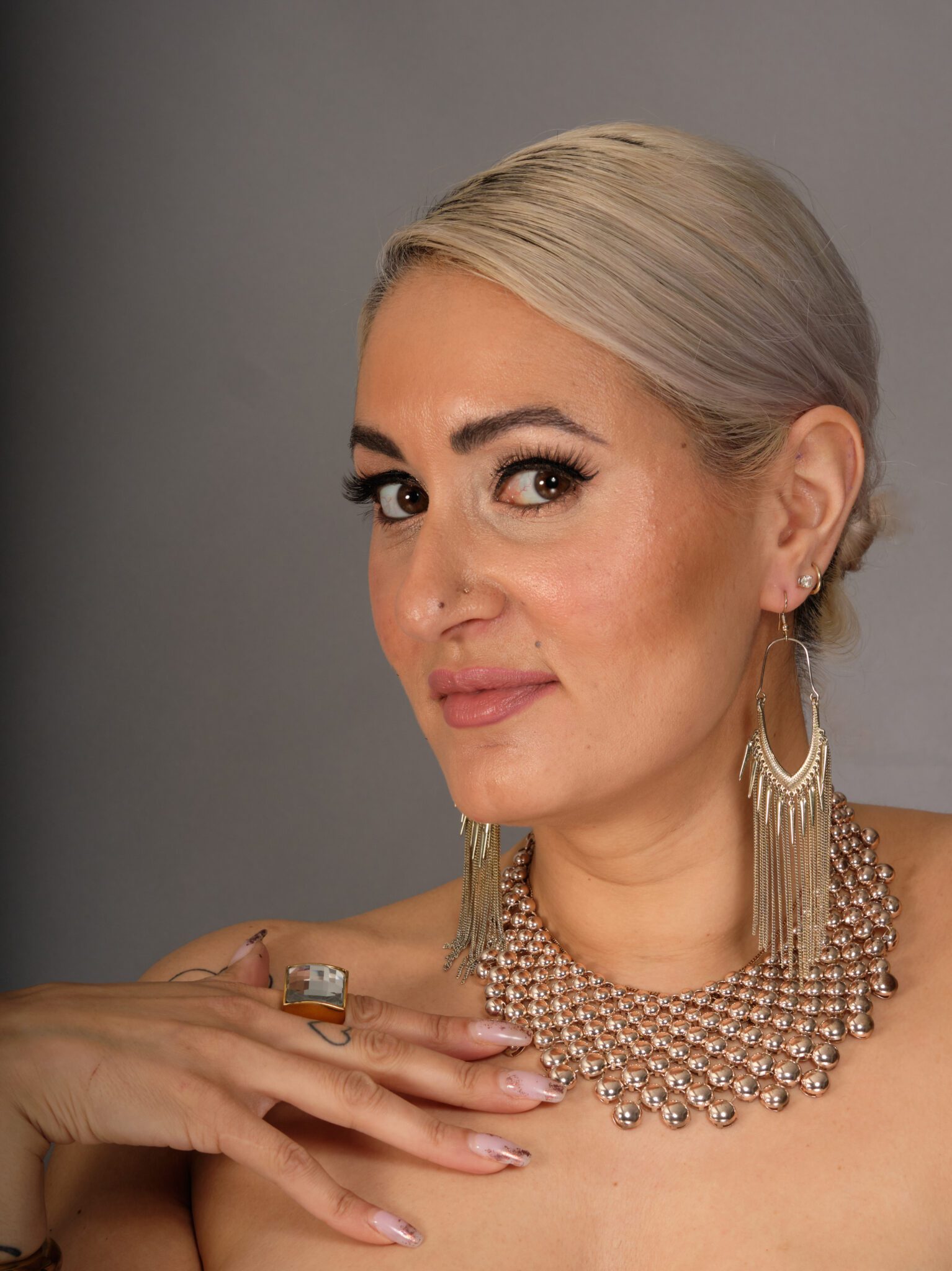
Nadia Elkharadly
Latest posts by Nadia Elkharadly (see all)
- Why you need a great Vitamin C Serum in your skincare routine - April 6, 2026
- SXSW 2026: A Story in Pictures - April 1, 2026