
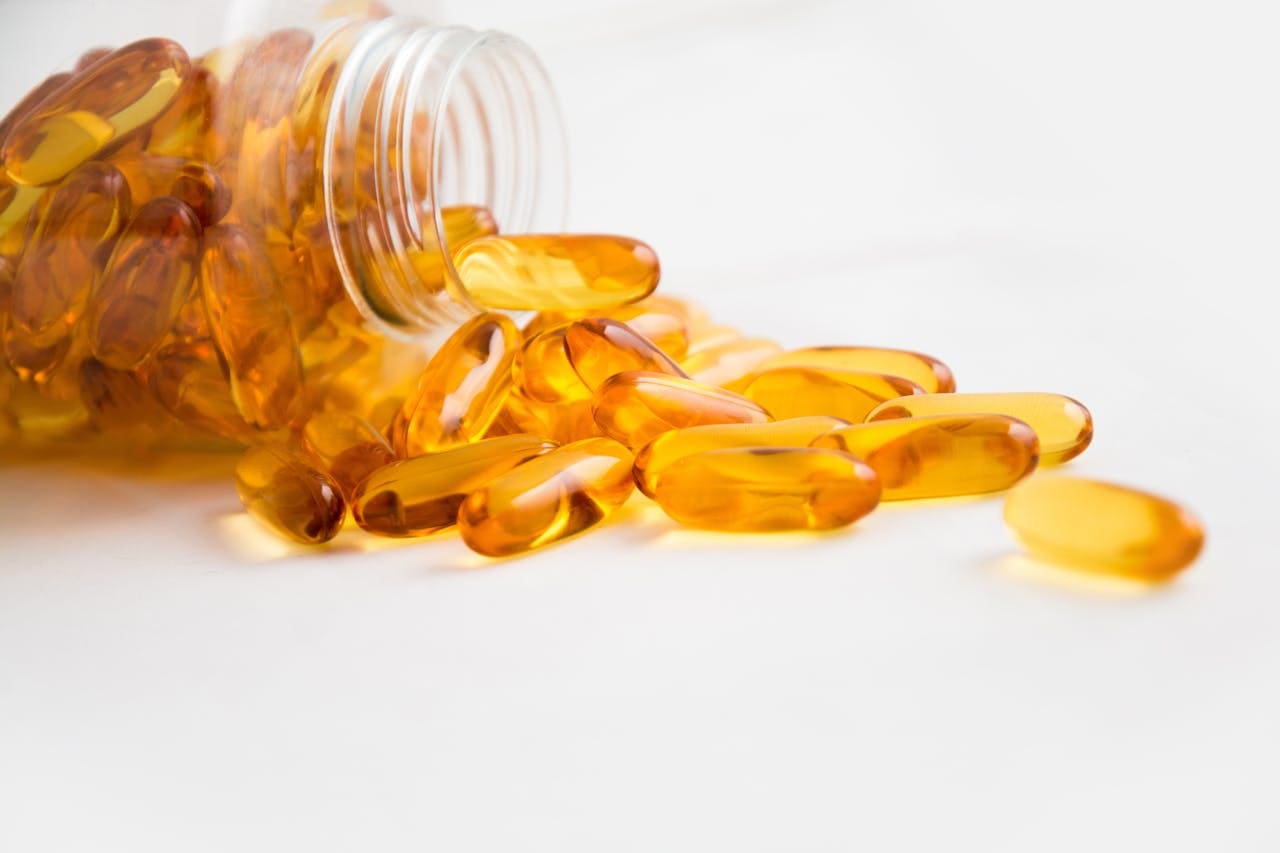
In recent years, CBD has exploded onto the wellness scene, making its way into everything from oils and tinctures to skin creams, snacks, and even pet products. For many, CBD is more than just a buzzword—it’s a potential game-changer for health and well-being. But what is CBD, and why has it become so popular? More importantly, what can it actually do for you?
Whether you’re curious about trying CBD for the first time or just want to understand what all the fuss is about, this feature will walk you through the basics, the science, and the potential benefits of CBD—so you can make informed decisions about your own wellness journey.
What Is CBD?
CBD stands for cannabidiol, a naturally occurring compound found in the cannabis plant. Unlike THC, the compound responsible for the “high” associated with marijuana, CBD is non-intoxicating. This means it won’t alter your mind or cause psychoactive effects.
CBD can be extracted from both marijuana and hemp plants, but most commercially available CBD products are derived from hemp, which contains only trace amounts of THC. This makes CBD legal in many places and accessible to people who want the potential benefits of cannabis without the high.
How Does CBD Work in the Body?
CBD interacts with the body’s endocannabinoid system, a network of receptors found throughout the brain and body. This system plays a role in regulating many functions, including mood, sleep, appetite, pain, and immune response.
The endocannabinoid system produces its own cannabinoids, which help maintain balance (homeostasis) in the body. CBD is thought to support this system by interacting with its receptors in complex ways, though research is ongoing and much is still being discovered.
The Potential Benefits of CBD
While research into CBD is still in its early stages, especially in humans, a growing body of evidence and countless personal stories suggest a range of potential benefits. Here’s a closer look at some of the most talked-about uses for CBD:
1. Stress and Anxiety Relief
One of the most popular reasons people turn to CBD is for help managing stress and anxiety. Some studies suggest that CBD may help regulate the body’s stress response and promote a sense of calm. Many users report feeling less anxious and more relaxed after taking CBD, whether in oil, capsule, or edible form.
It’s important to note that while early research is promising, CBD is not a cure-all for anxiety disorders. However, it may offer gentle support as part of a broader self-care routine.
2. Pain Management
CBD has gained attention for its potential to help with various types of pain, including chronic pain, arthritis, and inflammation. Some studies indicate that CBD may reduce inflammation and interact with neurotransmitters involved in pain signaling. This could make it a useful option for those seeking relief from aches and discomfort without the side effects of traditional pain medications.
Many people use CBD topically—through creams or balms—on sore muscles or joints, while others prefer oral products for more systemic relief.
3. Improved Sleep
Struggling with sleep is a common problem, and CBD is increasingly being used as a natural remedy for insomnia and restless nights. Some users find that CBD helps them fall asleep faster, stay asleep longer, and wake up feeling more refreshed.
Researchers believe that CBD’s calming effects on the nervous system and its ability to reduce anxiety may contribute to better sleep quality. However, as with many aspects of CBD, individual results can vary.
4. Support for Mental Well-Being
Beyond stress and sleep, some people use CBD to support their overall mental health. There are ongoing studies exploring CBD’s effects on depression, PTSD, and other mental health conditions. While results are mixed and more research is needed, some users report improved mood and a greater sense of balance.
CBD should never replace professional mental health care, but it may be a useful supplement for some, especially when combined with other healthy habits like exercise, mindfulness, and social connection.
5. Skin Health
CBD’s anti-inflammatory and antioxidant properties have made it a rising star in the world of skincare. Topical CBD products are being used to soothe irritated skin, reduce redness, and manage conditions like acne or eczema. While research is still catching up, many users swear by CBD creams and serums for their calming effects on the skin.
6. Potential Neuroprotective Properties
There is ongoing research into CBD’s potential to support brain health and protect against neurodegenerative diseases like Alzheimer’s and Parkinson’s. While these studies are mostly in their early stages, some findings suggest that CBD’s anti-inflammatory and antioxidant effects may be beneficial for long-term brain health.
How to Use CBD
CBD comes in many forms, making it easy for beginners to find a method that works for them. Here are a few of the most common options:
- Oils and Tinctures: Taken under the tongue for fast absorption.
- Capsules and Edibles: Easy to dose and convenient for on-the-go use.
- Topicals: Creams, balms, and lotions applied directly to the skin.
- Vapes: Inhaled for rapid effects, though not recommended for everyone due to potential lung risks.
When starting with CBD, it’s wise to begin with a low dose and gradually increase until you find what works for you. Everyone’s body is different, and factors like metabolism, body weight, and the specific condition being addressed can all affect how you respond.
Is CBD Safe?
CBD is generally considered safe, but it’s not completely without side effects. Some people may experience drowsiness, dry mouth, changes in appetite, or digestive discomfort. CBD can also interact with certain medications, so it’s important to consult a healthcare provider, especially if you’re taking prescription drugs or have underlying health conditions.
Quality matters, too. Since the CBD market is largely unregulated, it’s crucial to choose products from reputable brands that provide third-party lab testing to verify purity and potency.
Legal Considerations
The legal status of CBD varies depending on where you live. In many places, hemp-derived CBD products with very low THC content are legal and widely available. However, laws can change, so it’s important to check your local regulations before purchasing or using CBD.
What to Look for in a CBD Product
With so many CBD products on the market, it can be overwhelming to choose the right one. Here are some tips:
- Look for products made from organically grown hemp.
- Choose brands that provide third-party lab results.
- Read ingredient lists to avoid unwanted additives.
- Decide which form (oil, capsule, topical, etc.) best fits your needs and lifestyle.
- Start with a low dose and increase gradually as needed.
The Importance of Realistic Expectations
CBD isn’t a miracle cure, and results can vary from person to person. Some people notice benefits right away, while others may need to experiment with dosage, timing, and product type. It’s important to approach CBD with curiosity and patience, and to see it as one tool among many for supporting your well-being.
CBD has quickly become a staple in the world of wellness, offering potential benefits for stress, pain, sleep, skin health, and more. While research is still evolving, countless people have found relief and balance through incorporating CBD into their daily routines.
If you’re considering trying CBD, start slow, do your homework, and listen to your body. As with any supplement, it’s about finding what works best for you. Whether you’re seeking calm in a chaotic world, relief from discomfort, or simply a new way to support your health, learning about the benefits of CBD is a step toward a more empowered and informed approach to wellness.

Jessica Alexander
I've always loved to write, but I'd never want to be famous. So, I write as Jessica A. over here at ADDICTED. You can think of my like Carmen Sandiego, you trust me, but where in the world am I?
Latest posts by Jessica Alexander (see all)
- Yacht Charter or Cruise? How to Choose Your Best Luxury Escape at Sea - December 15, 2025
- Transform Your Routine with Nak Shampoo for Your Hair - December 2, 2025