
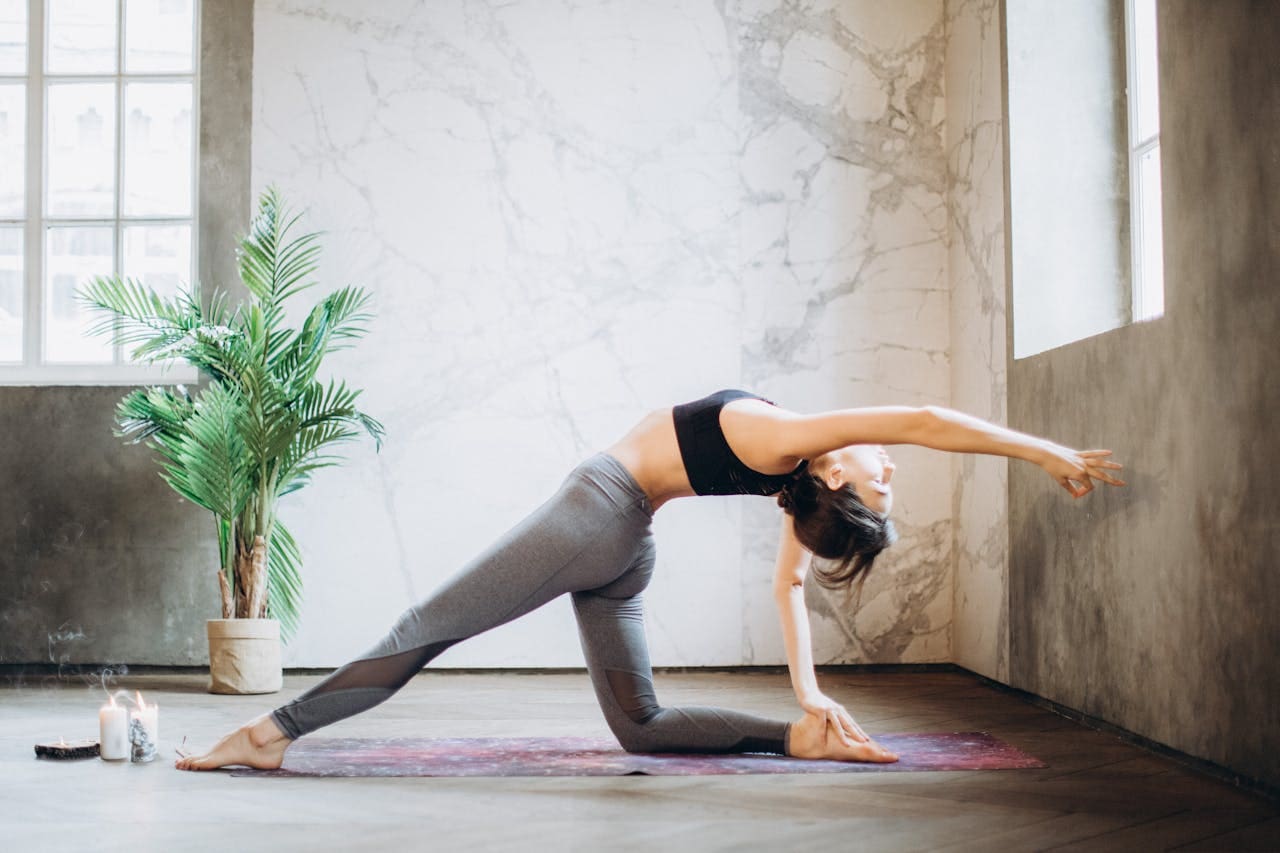
Yoga is more than just a workout—it’s a holistic practice that nurtures your body, mind, and spirit. For beginners, starting yoga at home can feel both exciting and a bit overwhelming. The good news? You don’t need a fancy studio or expensive equipment to begin. With some basic guidance, patience, and a willingness to listen to your body, you can create a fulfilling yoga practice right in your living room, just like I have for the past 20 years.
This guide will walk you through everything you need to know to get started with yoga at home, from setting up your space to beginner-friendly poses and tips for staying motivated.
Why Yoga at Home?
Practicing yoga at home offers flexibility and comfort. You can move at your own pace, choose the time that suits you best, and tailor your practice to your unique needs. Plus, it’s a wonderful way to reduce stress, improve flexibility, and build strength without leaving your house.
Many people find that home yoga helps them cultivate mindfulness and self-awareness, two qualities that extend beyond the mat into daily life.
Setting Up Your Space
Creating a dedicated yoga space doesn’t require a lot of room or fancy gear. Find a quiet, clutter-free corner where you can stretch out comfortably. Natural light and fresh air are bonuses but not essential.
All you really need is a yoga mat. If you don’t have one, a non-slip surface like a carpet or rug can work for gentle stretches. Optional props like blocks, straps, or cushions can support your practice but aren’t necessary for beginners.
Essential Yoga Gear for Beginners
- Yoga Mat: Provides cushioning and grip. Look for a mat that’s thick enough for comfort but not so thick that you lose balance.
- Comfortable Clothing: Wear breathable, stretchy clothes that allow free movement.
- Optional Props: Yoga blocks, straps, and bolsters can help with alignment and support.
Basic Yoga Poses to Get You Started
Here are five beginner-friendly yoga poses that build strength, flexibility, and calm:
-
Mountain Pose (Tadasana):
Stand tall with feet hip-width apart, arms at your sides. Ground through your feet, engage your thighs, lengthen your spine, and breathe deeply. This pose is the foundation for all standing poses and helps improve posture. -
Downward Dog (Adho Mukha Svanasana):
From hands and knees, lift your hips toward the ceiling, forming an inverted V shape. Keep your hands shoulder-width apart and feet hip-width apart. This pose stretches the hamstrings, calves, and shoulders while strengthening the arms. -
Child’s Pose (Balasana):
Kneel on the floor, sit back on your heels, and stretch your arms forward on the mat. Rest your forehead down and breathe deeply. This is a restful pose that gently stretches the back and hips. -
Cat-Cow Stretch (Marjaryasana-Bitilasana):
On hands and knees, alternate arching your back (cow) and rounding it (cat) with your breath. This warms up the spine and relieves tension. -
Warrior II (Virabhadrasana II):
Step one foot back, bend the front knee, and extend your arms out to the sides. Gaze over your front hand. This pose builds leg strength and stability.
Tips for a Successful Home Yoga Practice
- Start Small: Begin with 10-15 minutes a day and gradually increase.
- Consistency Over Intensity: It’s better to practice a little every day than to do a long session once in a while.
- Use Online Resources: Follow beginner-friendly videos or apps to guide your practice.
- Listen to Your Body: Move gently and avoid pushing into pain.
- Create a Routine: Try to practice at the same time each day to build a habit.
Mindfulness and Breathwork
Yoga is not just physical; it’s deeply connected to breath and mindfulness. Learning to breathe deeply and mindfully can reduce stress and improve focus.
Try this simple breathing exercise: Sit comfortably, close your eyes, and inhale slowly through your nose for a count of four. Hold for a count of four, then exhale gently through your mouth for a count of six. Repeat for a few minutes.
Overcoming Common Challenges
Starting yoga at home can come with challenges like distractions, lack of motivation, or uncertainty about poses. Here’s how to overcome them:
- Distractions: Choose a quiet space and let others know you need some uninterrupted time.
- Motivation: Set realistic goals and celebrate your progress.
- Uncertainty: Use trusted online tutorials or consider a few in-person or virtual classes to build confidence.
Remember, yoga is a journey, not a destination. Every practice, no matter how small, is a step toward greater well-being.
Benefits You Can Expect
With regular practice, you can expect:
- Improved flexibility and strength
- Better posture and balance
- Reduced stress and anxiety
- Enhanced body awareness
- Increased energy and vitality
Yoga’s benefits extend far beyond the mat, touching every part of your life.
When to Seek Professional Guidance
While yoga is accessible, some conditions may require professional guidance. If you have chronic pain, injuries, or health concerns, consult your healthcare provider before starting. A certified yoga instructor can also help modify poses to suit your needs.
Conclusion: Your Yoga Journey Begins Now
Yoga at home is a gift you can give yourself every day. It’s a practice of patience, kindness, and growth. By starting small and staying consistent, you’ll build strength, flexibility, and calm that ripple into all areas of your life.
Remember, the most important part is showing up for yourself. Roll out your mat, breathe deeply, and enjoy the journey.

markmunroe
Founder, CEO at ADDICTED Media Inc
Mark Munroe is the Creator and EIC of ADDICTED. He's ADDICTED to great travel, amazing food, better grooming & probably a whole lot more!
Latest posts by markmunroe (see all)
- What I Pay Attention to Now - January 21, 2026
- Living Between Trips, Homes, and Creative Projects - December 27, 2025