
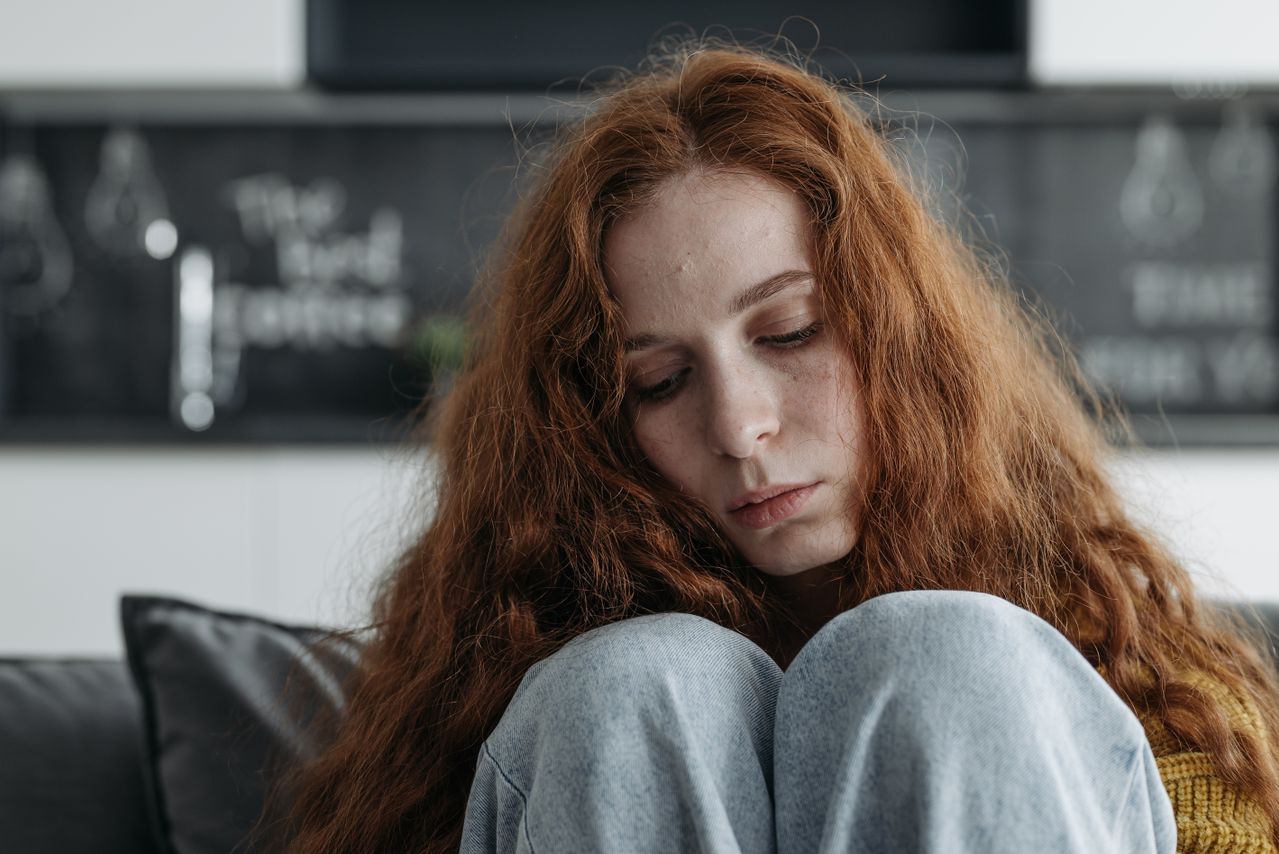
Losing someone you love can change almost every part of your life. Grief can affect your emotions, sleep, appetite, relationships and ability to concentrate, while everyday tasks can suddenly feel much more difficult. There is no single way to grieve, and everyone responds to bereavement differently.
During such a painful period, looking after yourself can easily become an afterthought. You may feel that other responsibilities need to come first, or that focusing on your own wellbeing somehow takes away from the person you have lost. However, self-care can be an important part of coping with grief and gradually adjusting to life after bereavement.
Allow Yourself To Grieve
One of the most important things you can do is give yourself permission to experience your emotions. Grief does not follow a predictable timeline, and there is no correct way to feel after losing someone.
You might experience sadness, anger, guilt, loneliness or even moments of relief. You may also have days when you feel relatively normal before a particular memory brings difficult emotions back.
Rather than judging yourself for how you feel, try to acknowledge your emotions without expecting them to disappear quickly. Talking to someone you trust can make it easier to express feelings that might otherwise become overwhelming.
Try To Maintain A Routine
Grief can disrupt your usual habits, making it difficult to eat properly, sleep well or find the motivation to leave the house. While it is understandable for routines to change, maintaining some structure can provide a valuable sense of stability.
Try to eat regular meals, get some fresh air and maintain a reasonable sleeping routine where possible. Gentle exercise, such as walking, can also provide an opportunity to clear your mind while supporting your general wellbeing.
Small steps are often more realistic than trying to completely overhaul your lifestyle during an emotionally difficult period.
Be Mindful Of How You Cope
When emotional pain feels intense, it can be tempting to look for ways to escape or numb difficult feelings. Some people may turn to alcohol or other substances, particularly if they previously associated drinking with relaxation or socialising.
If alcohol becomes a regular way of managing grief, it can potentially create additional difficulties. Anyone concerned about their drinking should consider seeking appropriate alcohol help rather than trying to manage the situation alone.
Finding alternative coping mechanisms can also be valuable. Talking to someone, exercising, writing down your thoughts or spending time outdoors may provide healthier ways to manage difficult emotions.
Stay Connected With Others
Grief can be incredibly isolating. You might feel that nobody else understands what you are going through, even when friends and relatives are trying to support you.
Making an effort to maintain connections can help prevent loneliness from becoming overwhelming. This could mean accepting an invitation for a coffee, speaking to a family member on the phone or joining a bereavement support group.
You do not have to talk about your loss every time you see someone. Simply spending time with people you care about can provide comfort and a sense of normality.
Give Yourself Time And Support
There can be pressure to return to normal after a certain amount of time, but grief does not have a fixed timetable. Be patient with yourself and recognise that difficult days can continue even after you initially feel better.
If grief begins to significantly affect your everyday life or you are struggling to cope, speaking to a GP, counsellor or bereavement service may help. Professional support does not mean you are failing to cope; it can provide somewhere to explore emotions in a safe and supportive environment.
Above all, remember that looking after yourself is an important part of navigating loss. You cannot change what has happened, but with time, compassion and appropriate support, you can begin to find ways of living alongside your grief.

markmunroe
Latest posts by markmunroe (see all)
- Five Tips For Looking After Yourself After Losing A Loved One - November 19, 2026
- How To Find A Hobby That Suits Your Recovery: Five Top Tips - November 17, 2026