
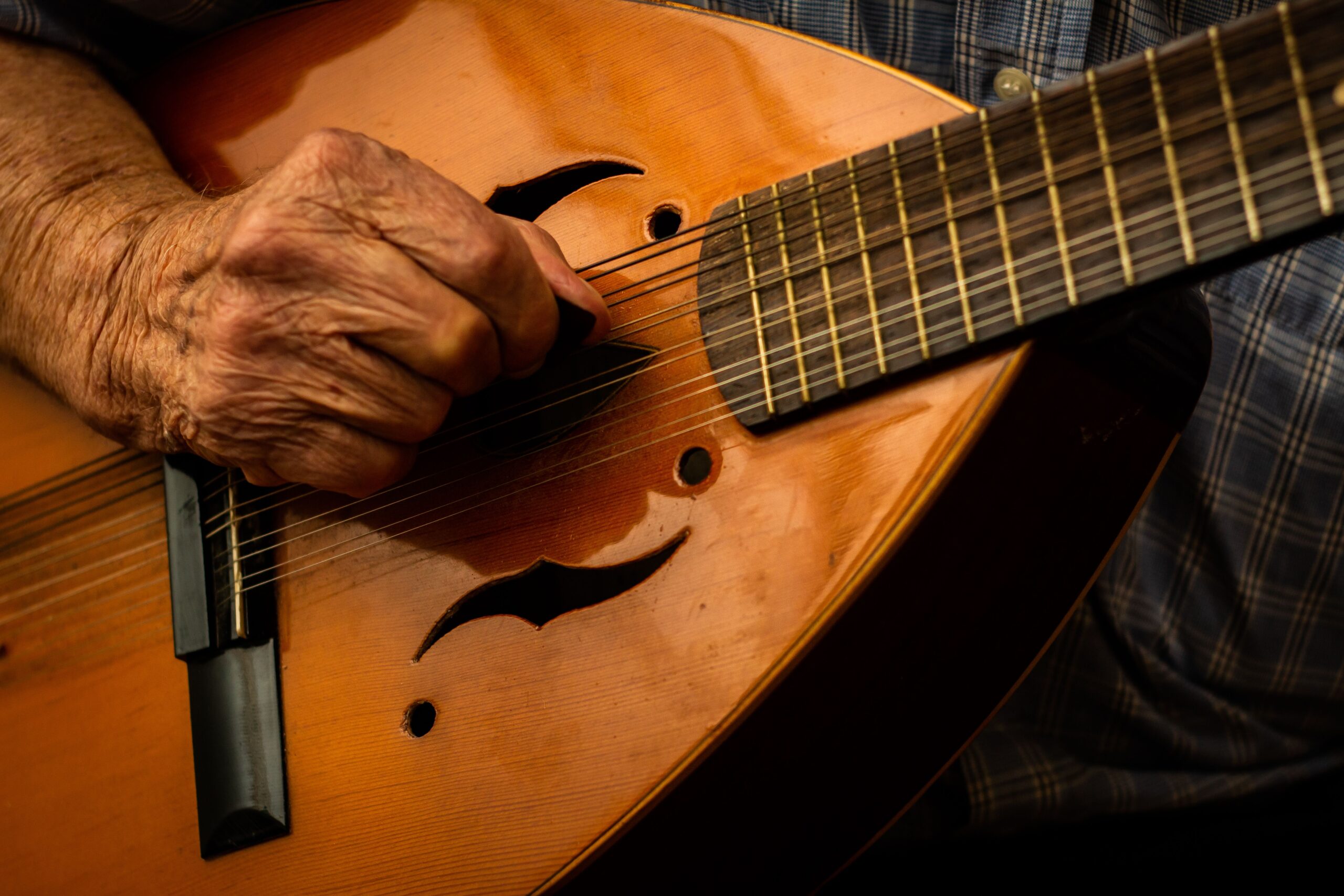
The mandolin isn’t an instrument that is often in the spotlight. More often than not, it’s quietly in a corner and is easy to miss, but once you listen to it in the right concert, everything changes. Because in a live concert it commands attention; it doesn’t just ask for it.
Why Does the Mandolin Get Overlooked?
Before we cover why it commands so much attention in the right concert, it’s time to understand why it gets ignored.
- The primary reason is that it is a small instrument and therefore rarely attracts attention on stage.
- Many people believe that it doesn’t have the coolness quotient of a guitar or the drama of a violin.
- It rarely serves as the lead instrument.
- Most people have never seen one up close or heard it played well in a live setting.
What Changes When You Hear It Live?
When you hear it live in a concert where it receives proper exposure, your perception can change for many reasons, such as:
- 1. The mandolin’s eight strings create a natural chorus effect that recordings rarely capture fully.
- Its sharp attack and bright tone can cut through a full band mix, which often surprises first-time listeners.
- The physical resonance of this instrument can be felt when you experience it at the right concert. This is true to a certain extent for all resonance-based instruments. Perhaps that is why, according to the National Association of Music Merchants, acoustic instrument sales spike after major folk and roots festivals.
- The emotional response experienced after hearing a mandolin is immediate and personal, which streaming can’t replicate.
- The Concert Moment That Makes People Notice the Mandolin
Most people often experience the mandolin for the first time during the mid-set because that is when most bands pull back, the bass drops out, and the single mandolin line fills the entire room. At such a point, there are no effects or amplification tricks, but just the voice produced by the mandolin, which none of the first-time listeners truly expected. That is when a mandolin earns its place by competing with louder instruments.
What the Mandolin Offers That Other Instruments Don’t
It’s now time to compare the mandolin with other instruments to understand what it truly offers:
- 1. The doubled strings give it a natural shimmer that no single-string instrument can replicate.
- It’s a unique tonal range that makes it sit higher than a guitar, warmer than a banjo, and more percussive than a violin.
- The mandolin is genuinely portable and easy to carry everywhere.
- Its compatibility with various music genres like folk, bluegrass, rock, classical, and even jazz makes it much more versatile than many other instruments.
- It’s a sound that can often make one nostalgic without being stuck in the past, which means it is timeless and fresh as well.
- In a concert, it can add texture and depth to the music produced.
Final Thoughts
The next time you see a mandolin, instead of perceiving it as an instrument that is merely an extra, listen to it up close and personal. You will certainly appreciate it and perhaps even try to learn it.

markmunroe
Latest posts by markmunroe (see all)
- Mandolin – The Quiet Instrument That Comes Alive at Concerts - October 23, 2026
- The Growing Allure of High Adrenaline Weekend Escapes - October 2, 2026