
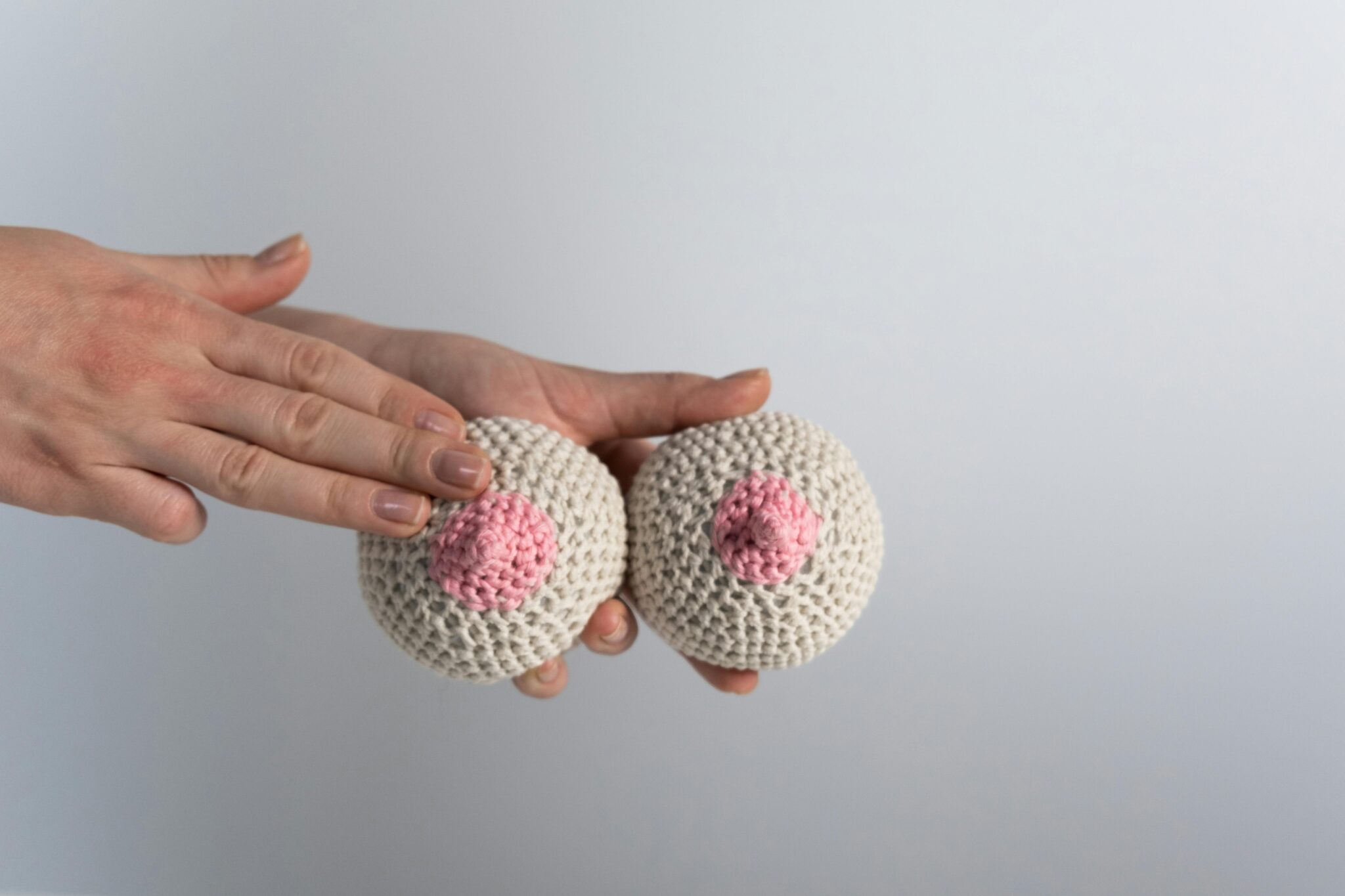
Early detection can make all the difference in the battle against breast cancer, and one weapon is right in the palm of your hand. Well, it is your hand. I’m talking about breast self exams.
Breast cancer is an extremely common cancer for women, and people with breasts, around the world. According to the Canadian Cancer Society, if detected and treated early, breast cancer has an over 90% survival rate. As someone who has been deemed higher risk due to my family history of breast cancer, this a topic I have my own experience with. I’ve been receiving mammograms and ultrasounds for the past few years, along with regularly checking my own breasts at home, to ensure if there is a concern, it can be looked into ASAP. When it comes to breast cancer, early detection saves lives.
Because education is the real first step here, I connected with Dr Cihan Uras, breast cancer surgeon with over 35 years of experience and currently at Acıbadem Hospitals, on this topic. Dr. Uras shared some important tips regarding self checks, how to perform them effectively and why regular screenings, both at home and with a medical professional, are so important.
According to Dr Uras, “Breast cancer is the most common cancer among women worldwide, but when it’s detected early, survival rates are very high. The best thing you can do for yourself is to be familiar with your own body and notice changes quickly. A self-check takes only three minutes.”
When to perform a breast self examination:
While any time is a great time to look out for your health, when it comes to breast self exams, the best time to do these checks is a few days after your period ends. Breast tenderness is common during a menstrual cycle and can make an exam more challenging. For women who no longer get periods, picking the same time each month will just help you get into a better routine.
How to perform a breast self examination:
Step one – look in the mirror (1 minute)
It’s important to stay familiar with your breasts so that you can see and feel changes as soon as they happen. When performing your self exam, start by just looking at your breasts in the mirror. Stand with shoulders straight and literally just look.
Doctor’s Advice: Initial signs that you should be looking for include dimpling of the skin, any redness, rashes or changes to the nipple, particularly inversion or discharge.
Step two – raise your arms (30 seconds)
The next step of your visual check is to raise your arms. This motion will stretch the breast tissue and skin, making subtle changes and differences in shape and movement more visible.
Doctor’s Advice: Look for any changes in contour, any swelling that’s arisen, or any pulling of the skin.
Step three – feel while standing and lying down (90 seconds)
The next step can be done while standing as well as lying down. Take the flat part of your fingers and methodically feel around your breasts, using a circular motion. Be sure to cover the entire breast, from top to bottom and side to side, using different levels of pressure, to ensure you’re feeling all layers of the breast tissue.
Doctor’s Advice: You should be feeling around for any thickened areas, any tenderness that feels unusual to you, not to be confused with pushing down too hard, and of course any lumps.
What if you find something?
“If you do find a lump, don’t panic straight away as most are not cancer.” Said Dr. Uras. “However, always have it checked as soon as possible by a medical professional, just in case it is cancerous.” The best part about doing these checks on a regular basis is that if and when you do find something, and it requires treatment, you’ve found it quickly and you and your doctor can begin the treatment journey you need.
Get your breasts checked with an expert
Whether you’ve found something that gives you concern, or you’re ready for a routine screening to stay on top of your health, getting screened for breast cancer by a medical professional is an important step in the healthcare journey. In Ontario, if you’re over 40 you can book a mammogram without a referral from your doctor, whenever you feel the need on an annual basis. There are various clinics and hospitals that can perform mammograms, like the CIBC Breast Centre in Toronto. For information on where to get a mammogram, how to determine your risk level, and more, head to The Ontario Breast Screening Program website if you are in Ontario, or to the Canadian Cancer Society’s website here elsewhere in Canada.
Breast cancer can happen at any age, to anyone who happens to have breasts. Early detection is the path to positive outcomes. Start your self examination journey today and take care of yourself.
Nadia Elkharadly
Latest posts by Nadia Elkharadly (see all)
- More Than Skin Deep: The Importance of a Mental Health Focused Approach To Medical Aesthetics - October 14, 2026
- Living With It – a new album and a conversation with Thea May - September 23, 2026