
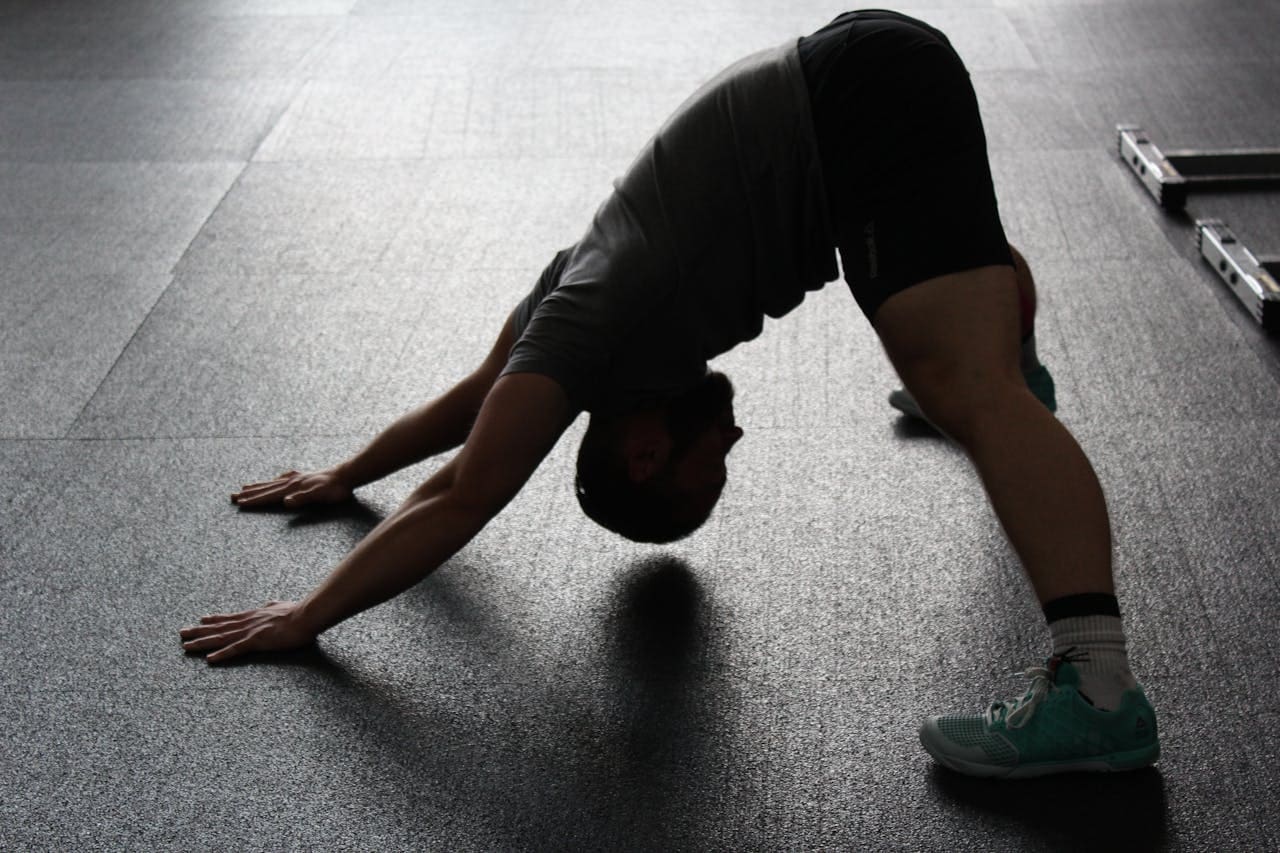
In a day and age that seems to celebrate hustle and constant productivity, the art of slowing down and reconnecting with your own body is more radical than ever. Stretching—an act so simple and so often overlooked—can be a gateway to resilience, calm, and a deeper sense of well-being. For many, stretching is just a footnote in their fitness routine, a quick warm-up or cool-down. The truth is, it’s a powerful tool for both physical and mental transformation that I use daily to feel my best physically and mentally.
The Forgotten Power of Stretching
When most people think about stretching, they imagine athletes preparing for a game or fitness enthusiasts limbering up before a workout. But stretching is for everyone, regardless of age, activity level, or flexibility. It’s about honouring your body, tuning in to what it needs, and giving yourself permission to pause.
Stretching increases blood flow, helps maintain mobility, and reduces the risk of injury. It’s also a way to release built-up tension—whether from hours hunched over a laptop, the weight of daily stress, or the emotional load we all carry. In many ways, stretching is an act of self-compassion, a small but powerful gesture that says, “I care about how I feel.”
Stretching as Mindful Movement
What makes stretching unique is its ability to bridge the gap between body and mind. When you stretch, you’re not just lengthening muscles—you’re practicing mindfulness. Each movement, each breath, becomes a moment to check in with yourself.
Try this: the next time you reach for your toes or gently twist your torso, focus on your breathing. Inhale deeply, feel your muscles expand, then exhale and notice the subtle release of tension. This simple act of awareness can reduce anxiety, ground you in the present, and provide a sense of calm that lingers long after you finish.
The Science Behind the Stretch
Research supports what many have felt intuitively: stretching isn’t just good for your body, it’s good for your mind. Regular stretching routines have been shown to lower cortisol (the stress hormone), improve sleep quality, and even enhance mood. Studies suggest that stretching before bed can help you fall asleep faster and wake up feeling more refreshed. For more, see the Sleep Foundation’s tips on stretching and sleep.
Physically, stretching supports joint health, improves posture, and can alleviate chronic pain—especially for those who spend long hours sitting or working at a desk. As we age, our muscles naturally lose elasticity, making stretching even more important for maintaining mobility and independence. The Mayo Clinic has a helpful overview of the benefits of stretching at any age.
Building a Sustainable Stretching Routine
The beauty of stretching is its accessibility. You don’t need fancy equipment, a gym membership, or even a lot of time. What matters most is consistency. Here’s how to build a stretching habit that sticks:
-
Start Small:
Commit to five minutes a day. Choose a few simple stretches—like neck rolls, shoulder shrugs, or gentle hamstring stretches—and build from there. -
Listen to Your Body:
Pay attention to where you hold tension. Maybe it’s your shoulders, your lower back, or your hips. Focus on those areas, but don’t ignore the rest. -
Pair with Daily Rituals:
Attach stretching to something you already do—like brushing your teeth in the morning or winding down before bed. -
Celebrate Progress:
Flexibility improves gradually. Celebrate small wins, like reaching a little further or feeling less stiff after a tough day.
Stretching for Every Body
One of the most beautiful things about stretching is that it’s for everyone. You don’t need to be able to touch your toes or twist into a pretzel to benefit. In fact, the people who struggle with flexibility often gain the most from regular stretching.
If you’re new to stretching, start with gentle movements and don’t force your body into uncomfortable positions. Over time, you’ll notice a greater range of motion, better posture, and less pain. The Harvard Health Blog offers more beginner-friendly advice.
Real Stories: How Stretching Changed My Life
For me, stretching became a lifeline during a period of intense stress and uncertainty. Each morning, I’d roll out a yoga mat and spend a few minutes moving, breathing, and letting go. It wasn’t about achieving the perfect pose—it was about showing up for myself, day after day. Over time, I felt stronger, calmer, and more resilient—not just physically, but emotionally.
Many others share similar stories. From busy parents to office workers to athletes, people are discovering that stretching is a form of self-care that fits into any lifestyle. It’s a way to reclaim a sense of agency over your body and your well-being.
The Connection Between Stretching and Resilience
Resilience isn’t just about bouncing back from adversity—it’s about building the capacity to thrive, even when life gets tough. Stretching teaches patience, persistence, and self-awareness. It encourages you to slow down, listen, and adapt—qualities that serve us well both on and off the mat.
When you make stretching a regular practice, you’re not just investing in your body. You’re cultivating the mental and emotional tools needed to navigate life’s challenges with grace.
Getting Started: A Simple Stretching Sequence
If you’re ready to experience the benefits of stretching, here’s a simple routine you can try at home. Remember to move slowly, breathe deeply, and never push into pain.
- Neck Rolls: Gently roll your head in a circle, relaxing your neck and shoulders.
- Shoulder Shrugs: Lift your shoulders toward your ears, then release.
- Cat-Cow Stretch: On hands and knees, alternate arching and rounding your back.
- Seated Forward Fold: Sit with legs extended, reach for your toes, and relax your head.
- Child’s Pose: Kneel on the floor, sit back on your heels, and stretch your arms forward.
Repeat each stretch for 30 seconds to one minute, focusing on your breath and how your body feels.
For more routines, see our beginner’s guide to yoga at home.
Conclusion: Embrace the Stretch
In a culture that values speed and productivity, stretching is a quiet act of rebellion—a way to slow down, tune in, and honour your body’s needs. It’s a daily reminder that you are worthy of care, and that small, intentional actions can create lasting change.
So, the next time you feel overwhelmed, stressed, or disconnected, take a moment to stretch. Reach for the sky, breathe deeply, and remember: strength isn’t just found in big gestures, but in the gentle, consistent choices you make every day.

markmunroe
Founder, CEO at ADDICTED Media Inc
Mark Munroe is the Creator and EIC of ADDICTED. He's ADDICTED to great travel, amazing food, better grooming & probably a whole lot more!
Latest posts by markmunroe (see all)
- Mandolin – The Quiet Instrument That Comes Alive at Concerts - October 23, 2026
- The Growing Allure of High Adrenaline Weekend Escapes - October 2, 2026