
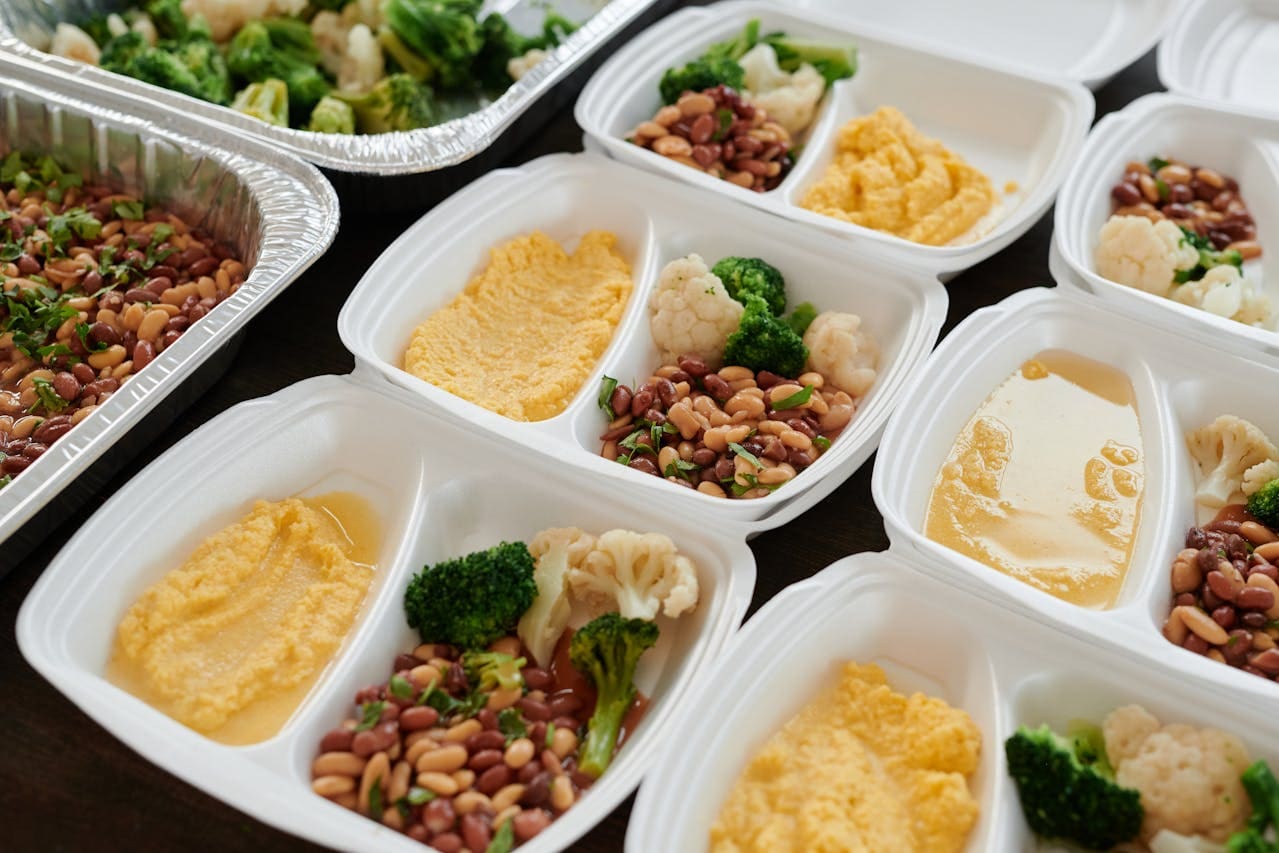
Leftovers should make life easier. They save time, reduce waste, and mean you don’t have to cook every night. But too often, reheated leftovers are disappointing — soggy, dried out, or lacking the flavour they had when fresh. The problem isn’t just the reheating method; it often starts with how food is cooled and stored in the first place. Even with advanced appliances like a German refrigerator from Winnings, small mistakes in cooling can undo all the effort you put into cooking.
Putting Hot Food Straight Into the Fridge
One of the most common mistakes is placing hot food directly into the fridge. This not only raises the fridge’s internal temperature, risking other foods, but it can also create condensation. That extra moisture encourages bacteria growth and makes leftovers lose their texture.
Fix: Let food cool at room temperature for no more than 90 minutes before refrigerating. Divide large portions into smaller, shallow containers to help food cool more quickly and evenly.
Leaving Food Out Too Long
On the flip side, waiting too long to refrigerate food is just as problematic. Bacteria multiply rapidly between 5°C and 60°C, the so-called “danger zone.” Even if food looks and smells fine, it could be unsafe to eat after sitting out for hours.
Fix: Always refrigerate leftovers within two hours of cooking (or within one hour in hotter conditions).
Overcrowding the Fridge
A packed fridge might seem efficient, but overcrowding prevents proper air circulation. When cold air can’t move freely, certain areas may warm up, causing food to spoil faster.
Fix: Avoid overloading shelves and keep space around containers. If your fridge is consistently too full, it may be time to reassess your storage habits — or consider a larger model.
Using the Wrong Containers
The container you choose matters more than most people realize. Storing food in loosely covered bowls or leaving takeout in its original packaging leads to odours, moisture loss, and quicker spoilage.
Fix: Use airtight glass or BPA-free plastic containers. They not only keep food fresher but also prevent smells from spreading throughout the fridge.
Forgetting to Label and Rotate
Leftovers often get pushed to the back of the fridge, only to be rediscovered long past their prime. Without labels, it’s easy to forget when something was cooked.
Fix: Label containers with the date and contents. Follow the “first in, first out” rule — newer items go at the back, while older items stay at the front so they’re eaten first.
Ignoring Temperature Settings
Even high-quality fridges can’t save food if the temperature isn’t set correctly. A few degrees too warm and bacteria thrive; too cold, and certain foods may freeze or dry out.
Fix: Keep your fridge at about 3–4°C and your freezer at -18°C. Use a fridge thermometer to double-check accuracy, as built-in dials can be imprecise.
Reheating Improperly
How you cool and store leftovers affects how well they reheat. But poor reheating can also ruin them — especially if food isn’t heated evenly or thoroughly.
Fix: Reheat leftovers to at least 75°C. Stir halfway through if using a microwave, and cover dishes with a lid to retain moisture. Only reheat what you plan to eat, as repeated cooling and reheating increase food safety risks.
Making Leftovers Work for You
Leftovers don’t need to be disappointing. With better cooling habits, the right containers, and a little organization, you can keep food tasting just as good as when it was first cooked. Avoid these common mistakes and you’ll cut down on waste, save money, and actually look forward to opening the fridge for yesterday’s meal.

markmunroe
Latest posts by markmunroe (see all)
- Five Benefits of Taking a Digital Detox One Day Per Week - August 17, 2026
- Top Interior Home Door Trends for 2026 - July 31, 2026