
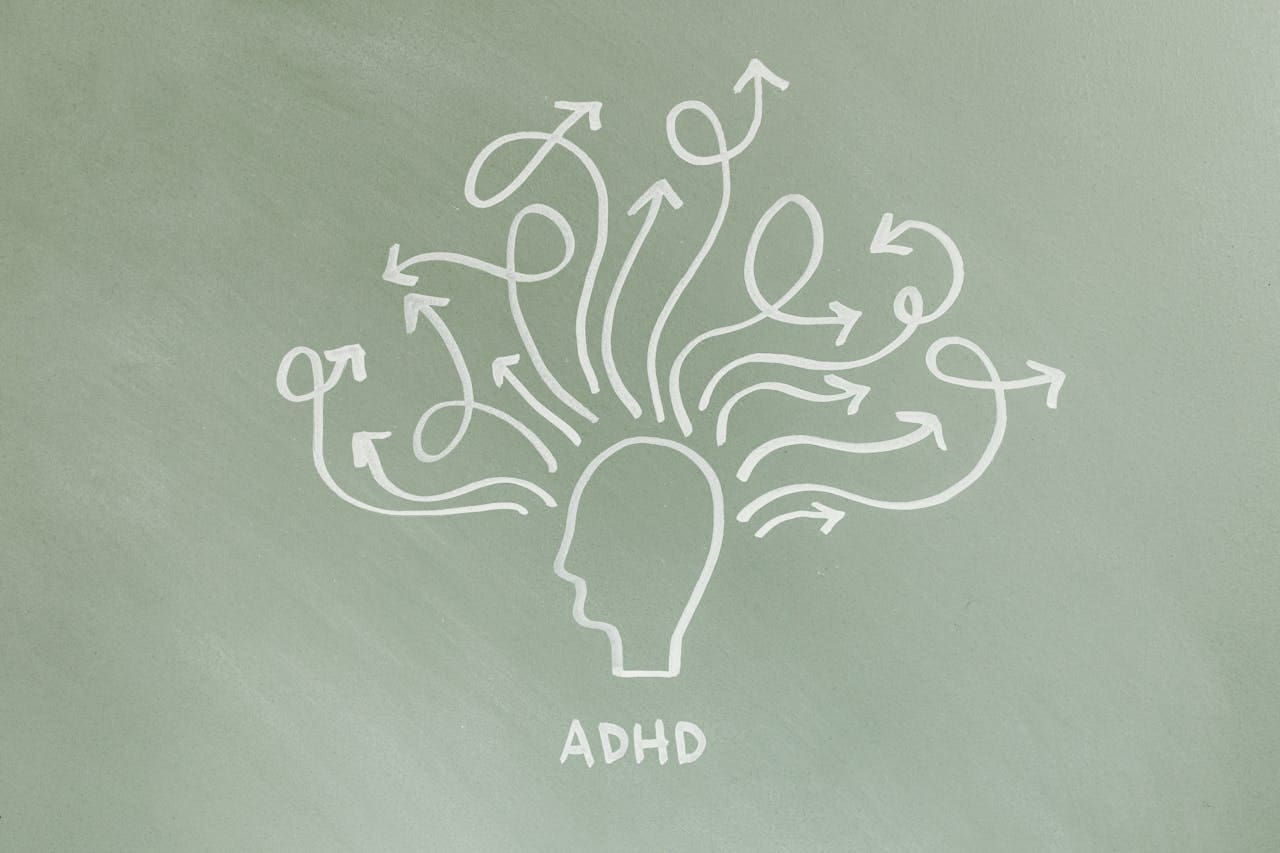
Attention-deficit/hyperactivity disorder (ADHD) is more than just a childhood issue. It’s a neurodevelopmental disorder that impacts individuals across various stages of life. Recognized through diverse symptoms, ADHD can affect kids, teens, and adults. Understanding these symptoms is essential for an accurate diagnosis and effective management of the condition. This article explores the common symptoms linked to an ADHD diagnosis across different age groups. By understanding how ADHD presents itself at various stages, individuals can seek help more effectively within their communities, including those seeking an ADHD diagnosis.
Understanding ADHD in Children
For children, ADHD often presents with symptoms centred around inattention, hyperactivity, and impulsivity. Young children may struggle to follow instructions, have difficulties completing schoolwork, and display frequent daydreaming. These issues typically manifest as trouble focusing on tasks and following through with assignments. Hyperactive children may exhibit excessive fidgeting, difficulty staying seated, or have a tendency to interrupt others in conversation.
Parents or teachers notice these behaviours early, often triggering assessments. Research indicates that approximately 5% of school-aged children have ADHD symptoms, and it remains a prevalent condition within school settings. As children grow, the hyperactive symptoms may diminish, but the inattentiveness and impulsivity can become more pronounced, prompting the need for a formal ADHD evaluation.
Teenagers and Changing Symptoms
When it comes to teenagers, symptoms of ADHD may evolve and present new challenges. While some individuals continue to display hyperactive symptoms, others may transition to a more inattentive form. Adolescents might struggle with time management, often missing deadlines, forgetting appointments, or even having difficulties maintaining organized task lists. Social skills can suffer, as impulsivity may lead to unfiltered comments in group settings or risky decision-making, such as experimenting with substances.
As teenagers seek independence, their inability to maintain focus can lead to academic troubles that compound the situation. According to statistics, around 4% of adolescents have ADHD, emphasizing the importance of early intervention. Understanding these transformations in symptomatology is essential, as it may warrant pursuing an ADHD diagnosis to foster better strategies for academic and social success.
ADHD Symptoms in Adults
For adults, the symptoms of ADHD can be nuanced and often less recognizable. The impulsivity and hyperactivity observed in childhood may have transformed into internal restlessness, leading to chronic procrastination and difficulties with time management. Adults with ADHD may find themselves frequently overwhelmed by tasks at work and struggle to maintain structured personal lives, ultimately impacting their relationships and career progression.
A study found that adults with untreated ADHD are at a greater risk for issues such as depression and anxiety. Job performance is often affected by poor focus or the inability to stay organized. Many adults with ADHD report struggling to prioritize tasks effectively, leading to missed deadlines or projects left unfinished.
Relationships may be strained as partners or family members grow frustrated with forgetfulness or impulsivity. Recognizing and addressing these challenges through a comprehensive ADHD evaluation can significantly improve life quality and productivity.
Potential Overlap with Other Conditions
ADHD does not exist in isolation. Many individuals who have ADHD may be diagnosed with comorbid conditions such as anxiety disorders, learning disabilities, or depression. This overlap can complicate diagnosis, as symptoms of one condition may mimic those of another.
Anxiety may manifest as distractibility or restlessness, while a learning disability can exacerbate attention issues in a school environment. Research highlights that almost 50% of individuals with ADHD face issues with anxiety. Consequently, mental health professionals must conduct thorough evaluations that encompass all symptoms and possible coexisting conditions. By doing so, they can create appropriate treatment plans tailored to the individual’s unique circumstances, effectively addressing ADHD symptoms and any overlapping issues.
The Role of Assessment and Diagnosis
Receiving an accurate ADHD diagnosis typically involves a multi-faceted assessment, combining behavioural evaluations and clinical interviews with information from parents, teachers, or partners. This comprehensive approach ensures that all aspects of a person’s life are considered. Standardized rating scales may be employed to evaluate the severity of inattention and hyperactivity symptoms based on observable behaviour.
A professional might gather developmental history and educational records, considering the individual’s performance in various settings. Families seeking clarification on their child’s or partner’s behavioral issues are encouraged to pursue these thorough assessments, as they can lead to better outcomes through the right ADHD diagnosis Geelong area or in nearby locations. Effective treatment begins with an accurate understanding of the condition, setting the foundation for tailored management strategies.

Effective Management Strategies
Managing ADHD effectively relies on a combination of strategies tailored to the individual’s needs. Behavioural therapies, medication management, and educational support often form the backbone of a comprehensive ADHD management plan.
Behavioural therapy can equip individuals with coping mechanisms and organizational skills, while medication can help regulate attention and impulse control. Parents and teachers can employ specific classroom strategies to support children with ADHD, like breaking tasks into smaller components or incorporating movement breaks during lessons. Adults might benefit from workplace accommodations that allow for flexible deadlines or frequent check-ins. The goal of management strategies is to create an environment conducive to success, harnessing the person’s strengths while addressing areas needing support.
Importance of Community Support
A supportive community plays a crucial role in managing ADHD across all age groups. Whether it is through parent support groups, educational workshops, or adult ADHD seminars, community resources can foster understanding and provide practical strategies for individuals with ADHD. Local organizations often offer resources like counselling services or educational materials tailored specifically for those navigating ADHD challenges.
Staying informed about effective local treatment options can empower individuals to seek the necessary evaluations and support. The importance of community cannot be overstated. By fostering an environment of understanding, the stigma surrounding ADHD can diminish, encouraging more individuals to seek help and enhancing collaboration between families, educators, and healthcare providers.
Recognizing the symptoms of ADHD across different age groups is crucial for prompt diagnosis and effective management. From the impulsive behaviours noted in children to the organizational struggles faced by adults, understanding these manifestations can guide individuals and families towards seeking an ADHD evaluation. As ADHD impacts various aspects of life, efficient strategies, professional support, and a robust community network can empower those affected to thrive despite challenges.

Latest posts by Peter Minkoff (see all)
- The Role Of Car Lifts In Supporting Smooth Auto Service Operations - October 2, 2025
- Exploring the Most Durable Roof Styles for Residential Use - September 29, 2025