
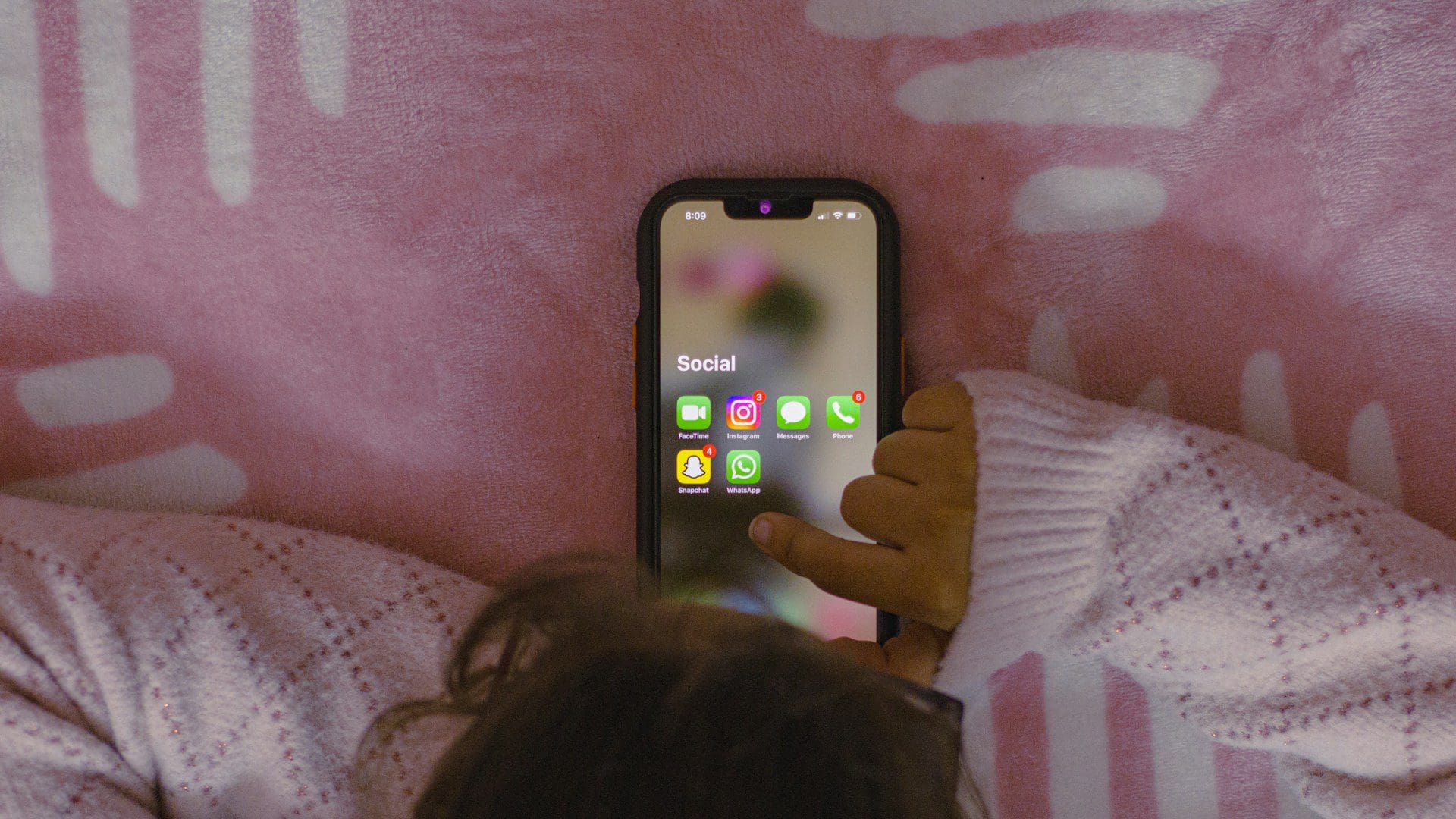
We’ve all been there. One minute you’re checking the weather, and the next, you’re 47 TikToks deep, your thumb aching, your brain buzzing, and you’re not entirely sure how long you’ve been sitting in that same position. This is the reality of modern life: a digital vortex that demands constant engagement. In the age of endless content and algorithmic manipulation, our attention spans aren’t just shrinking—they’re under siege. But what if the antidote isn’t another productivity hack or dopamine detox? What if it’s something we’ve been taught to abandon: the simple act of daydreaming?
The Attention Crisis
Our attention spans have declined, and the data supports it. A 2015 Microsoft study famously claimed the average human attention span had dropped to eight seconds—shorter than that of a goldfish. While that comparison has since been debated, the broader point remains valid: we are more distracted than ever before.
This isn’t entirely our fault. Our brains are hardwired to seek novelty, and tech platforms exploit this biological craving. Notifications, infinite scrolls, autoplay—these aren’t random features. They’re carefully engineered to keep us hooked, feeding us just enough stimulation to stay engaged but never enough to feel fulfilled.
This compulsive engagement, often referred to as “doomscrolling,” especially during crises or late at night, leaves us feeling drained, anxious, and often more confused than when we started. We consume more, understand less, and retain little.
The Lost Art of Boredom
Remember being bored? Sitting in the backseat of a car, staring out the window, lost in your own world? Or waiting at a café alone, without the lifeline of a screen? Those moments of stillness were once fertile ground for creativity, problem-solving, and emotional processing.
Now, boredom is almost taboo. The second we sense it creeping in, we reach for our phones. But boredom isn’t the enemy—it’s a gateway. It’s the blank canvas on which imagination paints. According to neuroscientist Dr. Mary Helen Immordino-Yang, downtime allows our brains to integrate and reflect, which is crucial for empathy, identity formation, and creativity.
When we allow ourselves to be bored, we open the door to daydreaming—something that has been unfairly dismissed as frivolous or lazy. In reality, daydreaming is a mental playground. It’s where ideas form, future plans develop, and emotional knots start to untangle.
The Case for Daydreaming
Daydreaming isn’t about escaping reality. It’s about stepping back from the onslaught of information to reconnect with ourselves. Studies have shown that engaging the brain’s “default mode network”—the system that activates when we’re not focused on a specific task—can enhance creativity, foster insight, and improve emotional regulation.
Think of it as cognitive rest. Just like our bodies need sleep, our minds need space. Without that space, we lose touch with our inner world. And in that loss, we often feel a disconnection that no amount of scrolling can fix.
When you catch yourself staring out a window, imagining the plot of a novel you’ve never written, or mentally reworking a conversation from three days ago, you’re not wasting time—you’re metabolizing life.
Practical Ways to Reclaim Your Attention
Reclaiming your attention span isn’t about quitting technology cold turkey. It’s about creating boundaries and making space for your mind to wander. Here are some ways to start shifting from doomscrolling to daydreaming:
1. Create Intentional Tech Breaks
Designate parts of your day that are screen-free. Mornings and evenings are great places to start. Instead of waking up to your phone, try journaling, stretching, or simply staring at the ceiling for a few minutes. Before bed, swap scrolling for reading or even a quiet walk.
2. Schedule Daydreaming Time
It may sound odd to pencil in time to stare into space, but we schedule workouts and work meetings—why not make room for our minds to breathe? Try sitting in silence for five minutes after lunch or taking a walk without earbuds. Let your thoughts drift. Resist the urge to make it “productive.”
3. Embrace Analog Activities
Reintroduce activities that require minimal digital interference—drawing, gardening, knitting, cooking without a recipe, playing an instrument. These slow, tactile experiences encourage mindfulness and creativity.
4. Limit Doomscrolling Triggers
Identify the apps or times of day when you’re most prone to doomscrolling. Is it Instagram before bed? Twitter during lunch? Once you recognize the pattern, you can intervene. Consider app timers, grayscale mode, or moving apps off your home screen.
5. Let Yourself Be Bored
The next time you’re in line or waiting for a friend, resist the phone. Look around. Notice your surroundings. Observe people. Feel the texture of the moment. These micro-moments of presence compound into deeper focus over time.
Attention as a Form of Self-Respect
In a culture that commodifies every second of our time and attention, choosing to protect your focus becomes a radical act. Attention is your most valuable resource—it’s what shapes your thoughts, your days, your identity. Where your attention goes, your life follows.
Reclaiming your attention span isn’t about rejecting technology altogether. It’s about using it with intention rather than letting it use you. It’s about allowing yourself the grace to unplug, to be still, to let your mind wander and wonder.
And that’s the beauty of daydreaming: it invites us back to ourselves. To our unfiltered thoughts. To the parts of our brain that remember how to play, to invent, to imagine. It reminds us that not every moment needs to be filled with content, that silence isn’t a void but a vessel.
The Bigger Picture
As more of us begin to reckon with the toll of digital life, there’s a growing movement toward slower living, deeper presence, and greater intentionality. From digital sabbaticals to the resurgence of mindfulness practices, people are waking up to the truth that attention is power—and they want it back.
You don’t need to move to the woods or throw your phone in a lake to reclaim your attention. You just need to start noticing. Where does your mind go when you’re not looking? What patterns have become automatic? What would happen if you interrupted them?
When we stop doomscrolling and start daydreaming, we begin to live more deeply in our own stories instead of endlessly consuming someone else’s. We reconnect with what matters, what delights us, what we long to create. And in that space—unguarded, unfiltered, ours—we begin to feel whole again.
So the next time your hand reaches reflexively for your phone, pause. Let your eyes wander. Let your mind drift. Give yourself permission to daydream. It might just be the most productive thing you do all day.

markmunroe
Latest posts by markmunroe (see all)
- Mandolin – The Quiet Instrument That Comes Alive at Concerts - October 23, 2026
- The Growing Allure of High Adrenaline Weekend Escapes - October 2, 2026