
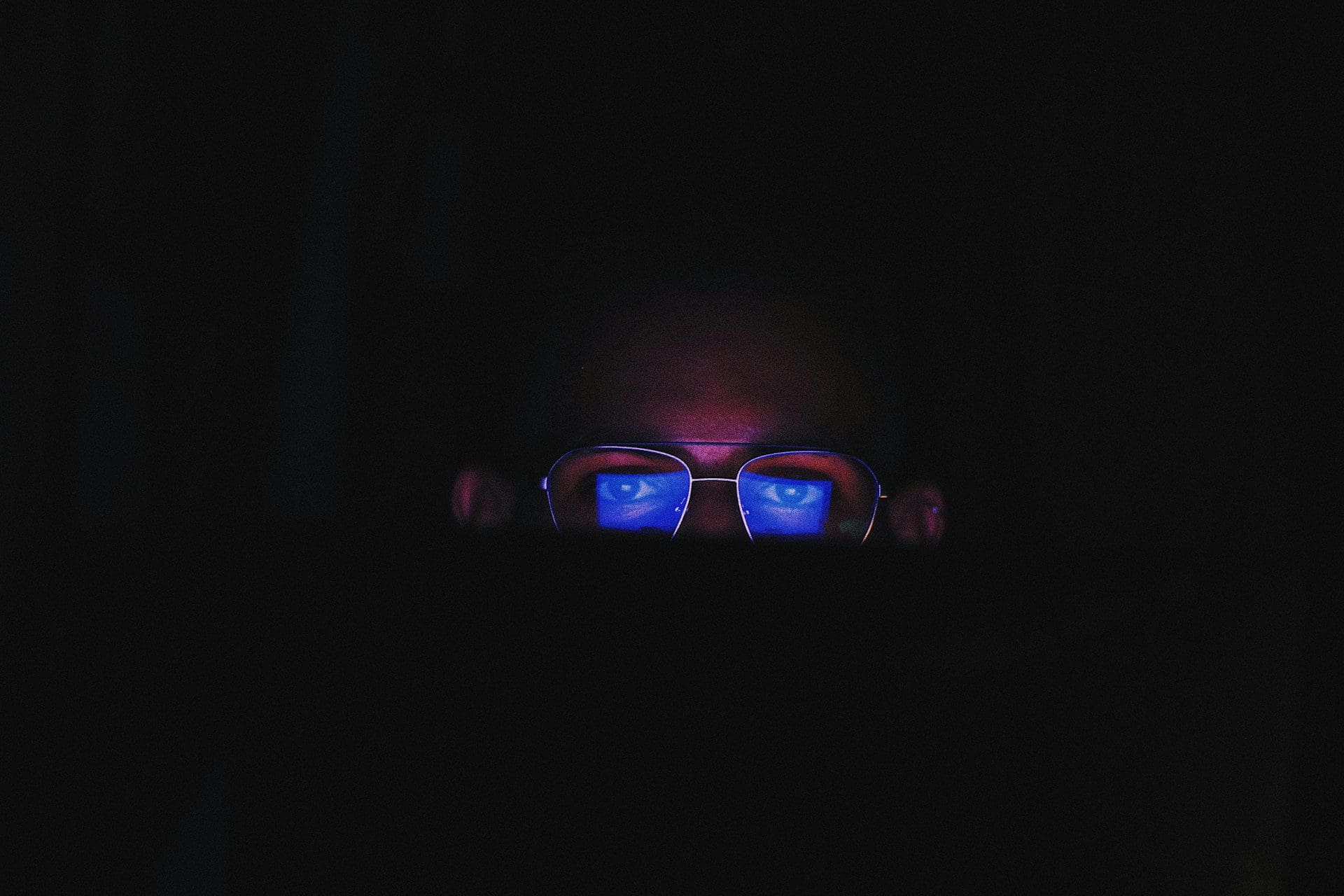
From the screens of smartphones to computers and televisions, you are constantly surrounded by blue light, mostly during the evening. While blue light plays an important role in maintaining alertness during the day, its effects on sleep quality are far more disruptive when encountered at night. Exposure to blue light after sunset can interfere with the natural production of melatonin, the hormone responsible for regulating sleep. This disruption can make falling asleep more difficult, leading to a cycle of poor sleep and tiredness that negatively impacts overall health.
Blue Light Blocking Glasses – Do They Work?
These glasses are designed with special lenses that filter out blue light wavelengths, reducing the impact of screens on your melatonin production. While research on their effectiveness is ongoing, some studies suggest that wearing blue light glasses in the evening can help improve sleep quality, mostly for individuals who spend long hours in front of screens. If you work late or frequently use screens before bed, investing in a good pair of blue light-blocking glasses might be worth considering. They should not be a substitute for other healthy sleep habits.
The Role of Blue Light in Your Sleep Cycle
Blue light, a high-energy wavelength emitted by the sun, LED lights, and electronic screens, plays a significant role in regulating this cycle. Blue light exposure helps keep you alert, improving focus and cognitive function. Exposing yourself to blue light at night – mostly from screens – tricks your brain into thinking it’s still daytime. This suppresses melatonin production, the hormone responsible for making you feel sleepy, delaying the time it takes you to fall asleep and reducing overall sleep quality. The more time you spend on screens before bed, the harder it becomes for your body to transition into restful sleep, leading to a vicious cycle of fatigue and poor sleep habits.
How Blue Light Affects Melatonin Production
Melatonin levels start rising in the evening as natural light dims, helping you feel drowsy. Blue light exposure delays this process by blocking melatonin production, keeping you awake longer than your body naturally intends. This means that if you scroll through social media, watch TV, or use a laptop before bed, your body receives a signal to stay alert, even when it’s time to wind down. Studies have shown that exposure to blue light at night can reduce melatonin levels by up to 85%, significantly impairing your ability to fall asleep and stay asleep throughout the night.
The Long-Term Consequences of Sleep Disruption
Insufficient sleep has been linked to increased risks of obesity, heart disease, diabetes, and mental health disorders like anxiety and depression. Your cognitive function also takes a hit – poor sleep affects memory retention, decision-making, and overall productivity. Sleep deprivation weakens the immune system, making you more susceptible to illness. Over time, a disrupted sleep cycle can lead to chronic fatigue, mood swings, and even an increased risk of neurodegenerative diseases. While you may not feel the effects immediately, prolonged exposure to blue light at night could silently deteriorate your physical and mental well-being.
The Best Ways to Reduce Blue Light Exposure Before Bed
Reducing blue light exposure in the hours leading up to bedtime is one of the most effective ways to improve sleep quality. Instead of scrolling through your phone or watching TV, engage in screen-free activities like reading a physical book, journaling, or practicing relaxation techniques. If avoiding screens isn’t an option, use the built-in “night mode” or “blue light filter” settings on your phone, tablet, or computer to reduce blue light emission. Many devices also allow you to schedule this feature to activate automatically in the evening.
Creating a Sleep-Friendly Environment
Your bedroom should be a place dedicated to rest, free from excessive artificial lighting and electronic distractions. Use blackout curtains to block out external light, keep the room cool, and invest in comfortable bedding to promote relaxation. Avoid using your phone or other screens while in bed, as even brief exposure to blue light can disrupt your sleep cycle. Think about a calming nighttime routine that signals to your body that it’s time to wind down – this can include activities like stretching, meditation, or listening to soft music.
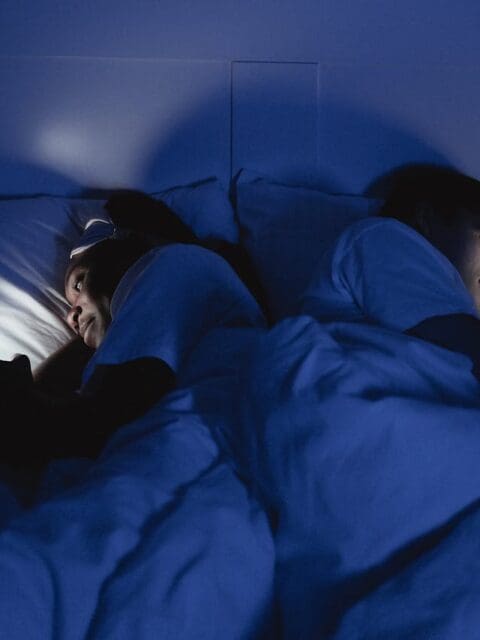
Incorporating healthier nighttime habits to combat the effects of blue light can profoundly impact your sleep quality and overall well-being. Limiting screen time, using blue light filters, and creating a restful sleep environment can protect your body’s natural circadian rhythm and improve your ability to fall asleep quickly and restfully. Blue light-blocking glasses may also be a helpful tool for individuals who need to use screens in the evening. While the benefits of reducing blue light exposure are clear, it’s important to remember that sleep hygiene goes beyond just controlling light – consistent sleep schedules and relaxation routines also play important roles.

markmunroe
Latest posts by markmunroe (see all)
- Mandolin – The Quiet Instrument That Comes Alive at Concerts - October 23, 2026
- The Growing Allure of High Adrenaline Weekend Escapes - October 2, 2026