
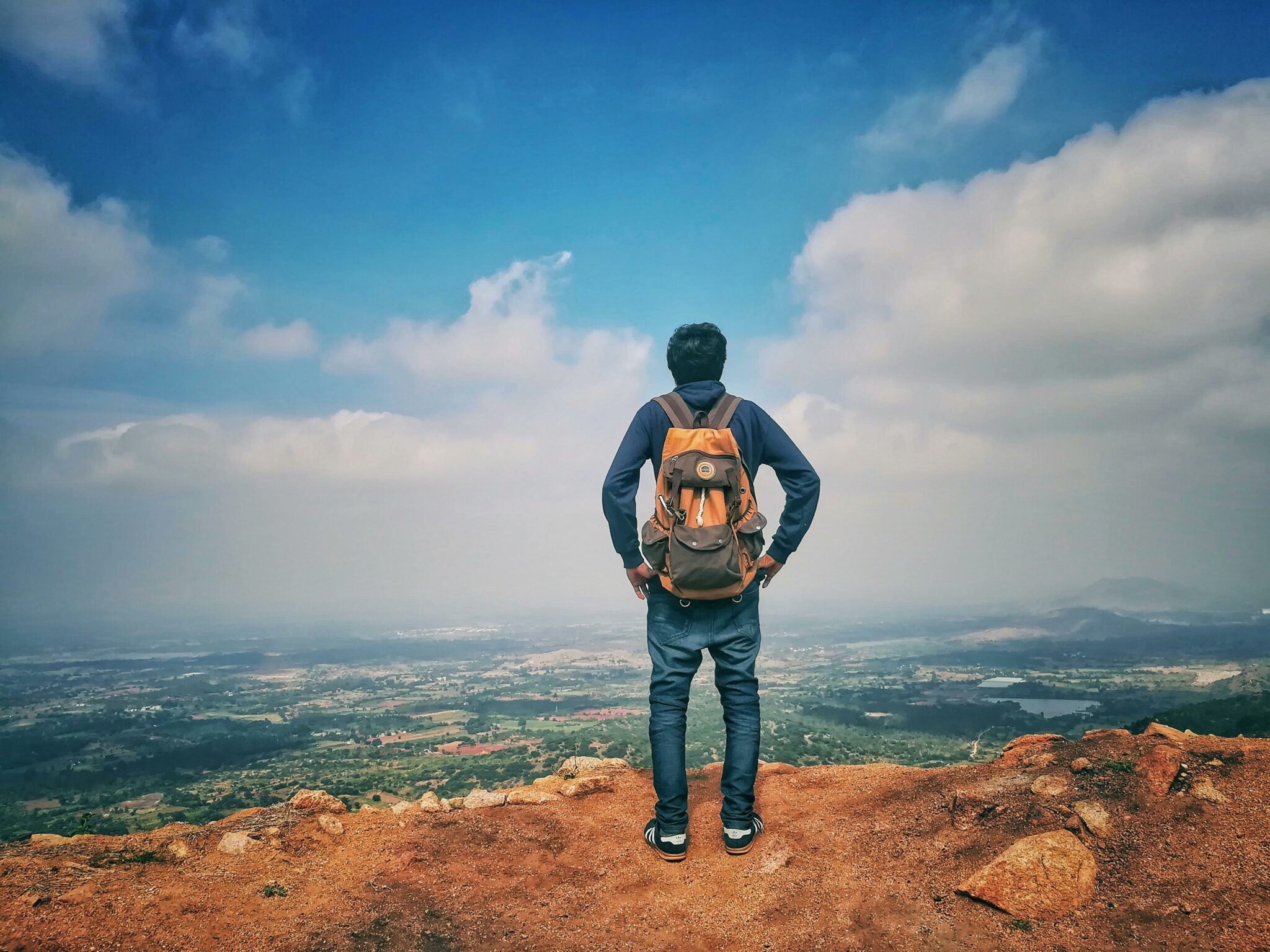
In an age defined by hyperconnectivity, where social media, instant messaging, and endless notifications dominate our daily lives, a growing number of individuals are choosing to step away from the noise. Once thriving in the company of others, these former social butterflies are embracing solitude as a form of self-care, self-discovery, and personal empowerment. The shift from constant socializing to intentional isolation is no longer viewed as an antisocial tendency but rather as a meaningful and deliberate lifestyle choice.
The Appeal of Solitude
The modern world bombards us with information at an overwhelming pace. Social engagements, both online and offline, can drain energy, leaving little room for introspection. For many, the decision to retreat from social circles is a means of reclaiming mental space. Rather than viewing solitude as loneliness, those who choose intentional isolation see it as an opportunity to deepen their understanding of themselves and the world around them.
This lifestyle shift isn’t about cutting off relationships entirely; rather, it’s about selective engagement. Solo adventurers are curating their social lives with purpose, choosing quality over quantity and prioritizing interactions that bring genuine fulfillment over obligatory socializing.
The Mental Health Connection
The rise of intentional isolation aligns with increasing awareness of mental health and well-being. Studies suggest that excessive social interaction—especially when it feels forced—can contribute to stress, anxiety, and even burnout. Many who turn to solitude do so in response to social exhaustion, seeking relief from the pressures of maintaining a busy social calendar.
By stepping back, individuals gain the space needed to recharge. Time spent alone can foster emotional resilience, improve self-confidence, and enhance problem-solving skills. It can also provide a break from social comparison, a phenomenon amplified by social media that often leads to feelings of inadequacy and dissatisfaction.
The Role of Technology
Ironically, the same technology that fosters hyperconnectivity also makes it easier for people to embrace solitude. Streaming services, audiobooks, and online courses offer entertainment and education without the need for direct human interaction. Remote work has further enabled individuals to structure their days in a way that suits their personal preferences rather than conforming to traditional office culture.
For solo adventurers, technology serves as a tool for self-sufficiency rather than a means of constant connection. Many use apps to plan solo trips, find hiking trails, or engage in hobbies that don’t require a social component. While some might see this as withdrawal, others view it as an enhanced way of living—one that prioritizes inner fulfillment over external validation.
Solo Travel: A Movement Gaining Momentum
Perhaps one of the most visible signs of this shift is the growing trend of solo travel. Once considered unconventional or even risky, solo travel has become a popular choice for those seeking independence and adventure. Travel companies and hospitality businesses have taken notice, offering packages and accommodations tailored specifically for solo travelers.
Solo adventurers cite numerous benefits to traveling alone, including complete control over their itineraries, deeper cultural immersion, and a greater sense of self-reliance. Without the need to compromise on plans, solo travelers often find their experiences more enriching and transformative. Additionally, the solitude allows for a deeper connection with the surroundings, free from the distractions of group dynamics.
The Social Rebalancing Act
Despite the benefits of intentional isolation, human connection remains an essential part of well-being. Many solo adventurers practice a social rebalancing act—engaging in meaningful relationships while maintaining their autonomy. This balance allows for deeper connections with fewer people, fostering relationships that are based on mutual respect and understanding rather than social obligation.
For many, this means prioritizing face-to-face interactions over digital ones, seeking out communities with shared interests, and engaging in social activities that feel fulfilling rather than draining. Whether it’s attending a book club, joining a fitness class, or having one-on-one coffee dates with close friends, the emphasis is on quality rather than frequency.
The Future of Socialization
As societal norms evolve, the stigma around solitude is dissipating. What was once seen as an unusual or even concerning behavior is now increasingly recognized as a legitimate choice. The rise of intentional isolation challenges the idea that constant socializing equates to happiness. Instead, it promotes the notion that happiness is deeply personal and can be found in both solitude and connection, depending on an individual’s needs.
This shift also calls for a reevaluation of how society views introversion and extroversion. Many people exist on a spectrum, with varying degrees of social energy at different times in their lives. Recognizing and respecting these fluctuations is key to fostering an inclusive social environment that accommodates diverse needs and preferences.

Embracing a New Social Paradigm
For those considering a step toward intentional isolation, the transition can be both liberating and challenging. The key is to approach it with mindfulness—understanding that solitude is not about rejection but about self-care and intentional living.
Setting boundaries is an important part of this shift. Communicating with friends and family about the need for personal space can help maintain relationships while still honouring one’s individual needs. Additionally, finding meaningful activities to engage in alone—such as hiking, painting, journaling, or learning a new skill—can enhance the experience of solitude and prevent feelings of loneliness.
Ultimately, the rise of intentional isolation represents a broader movement toward mindful living. It is a testament to the idea that true fulfillment comes not from the quantity of social interactions but from the quality of our experiences, whether they are shared with others or embraced in solitude. In a world that often prioritizes external engagement, the choice to turn inward is a powerful act of self-discovery and authenticity.

markmunroe
Latest posts by markmunroe (see all)
- Five Benefits of Taking a Digital Detox One Day Per Week - August 17, 2026
- Top Interior Home Door Trends for 2026 - July 31, 2026