

Weather damage, aging materials, and unforeseen issues can all compromise your roof, making timely repairs a necessity. Homeowners find themselves confused about when to repair their roofs and the steps involved in the process. Learning the roof repair process can empower you to make informed decisions when facing roofing issues — look no further!
The Role of Professional Roofers
Professional roofers bring specialized skills and knowledge to the table so that repairs are executed to high standards. They are trained to properly assess damage and are well-versed in local building codes and safety standards. With their expertise, they can identify underlying issues that homeowners may overlook.
Look into local professionals who can carry out the repairs the right way. If you live in Florida, seek out a reliable roof repair in Sun City Center that offers warranties for their work, providing peace of mind and future protection against problems that may arise after the repairs. A reputable roofer can guide homeowners in maintaining the integrity of their roof for years to come.
Evaluate Roof Damage
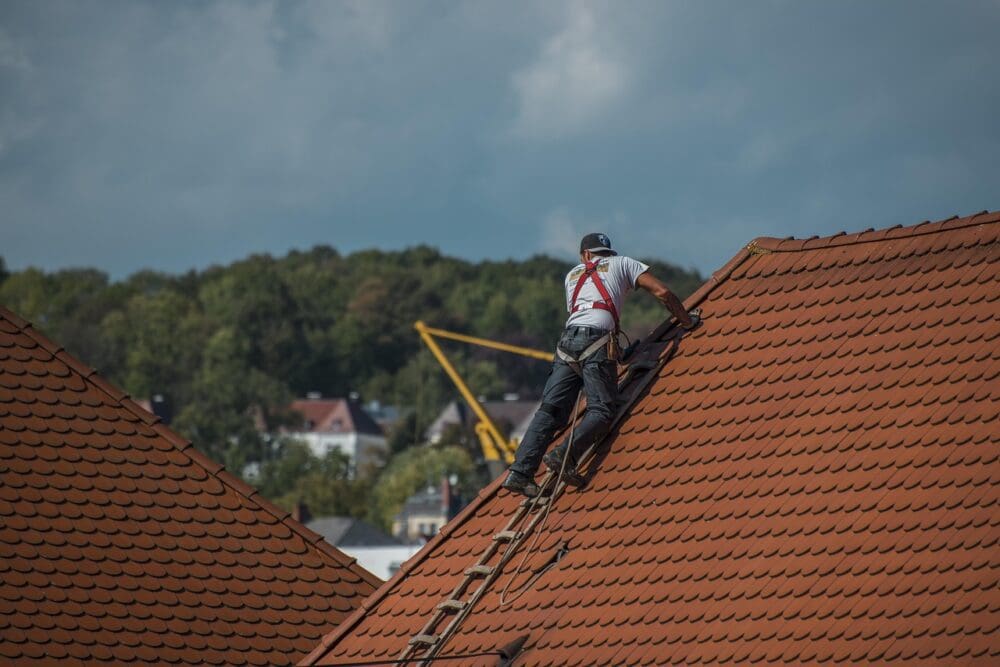
Roof inspectors examine the roof from the ground using binoculars and may also climb onto the roof for a closer inspection. This assessment can reveal missing shingles, cracks, or leaks. The inspector will also look for less obvious indicators like soft spots or bubbling, which can indicate rot or water infiltration.
Photographic evidence should be collected to document existing conditions, forming the basis of a repair plan. A key factor in assessing damage is understanding how different roofing materials respond to wear. Asphalt shingles can become brittle and crack; wood shingles may suffer from mould or rot. This evaluation helps determine whether repairs are viable or if a replacement is more appropriate.
Select Repair Materials
Professionals recommend using materials that match or closely resemble the existing roof to maintain aesthetic consistency. Commonly used materials include asphalt shingles, tile, metal sheets, and wood shakes—all varying in suitability based on the home’s architecture and local climate. When discussing options with your roofer, consider the advantages and disadvantages of each material type.
In terms of cost, some materials may have a higher initial investment but may save money in the long run due to lower maintenance costs. Check if the materials carry a warranty. Reputable manufacturers offer warranties on roofing materials, assuring quality and longevity.
Repair Techniques and Methods
Once materials are selected, the next step involves deciding on repair techniques. Different types of damage may require various approaches. Small leaks or cracks may simply need patching, whereas more serious structural issues may require more extensive interventions. Roofers use either a short-term solution, like roof sealants, or a long-term fix, like a complete shingle replacement.
Roofing companies will use different tools and equipment based on the severity of the issues needing repair. A flat roof might require different solutions than a pitched roof, and specific techniques will improve durability and safety. Professionals commonly employ flashing, sealants, and other specialized techniques so that repairs adequately protect against future leaks. The choice of method hinges on the inspector’s findings, local weather conditions, and anticipated stress on the roof over time.
Timeframe and Cost Considerations
The timeframe for roof repairs can vary based on the type of damage, materials used, and complexity of the work. Minor repairs can be completed within a day; extensive projects may take several days to weeks. Homeowners should factor in all these time components when coordinating their schedules and expectations.
Minor repairs may be budget-friendly, but substantial roof issues can require a significant investment. The price can fluctuate depending on material selection, labour rates, and the extent of the damage. Homeowners should always inquire about estimates before commencing any work so they can budget accordingly. Get multiple quotes from various roofers to weigh options against what is realistic for your budget and timeline. Take the time to plan ahead for a smoother repair process.
Maintenance After Repairs
Maintenance can preserve the integrity of the roof. Regular inspections can identify any minor issues before they escalate into considerable problems. Homeowners should conduct roof checks a couple of times a year, especially after severe weather events. Monitor for signs of wear and tear and address minor concerns as they arise, rather than waiting for them to worsen.
Professional roofers provide maintenance tips following repairs, which might include recommended cleaning schedules, necessary tools, or regular inspections. Some homeowners may even consider engaging a maintenance service to take care of ongoing needs. This proactive approach to maintenance can save money in the long run, as it reduces the likelihood of requiring extensive repairs further down the line. Consistent upkeep can improve the roof’s performance and retain aesthetic value.
Understanding these aspects empowers homeowners to take control of their roofing health. The process of roof repair is intricate, requiring attention to detail, expert knowledge, and ongoing vigilance after the work is completed. By clarifying the steps and considerations involved, homeowners can approach repairs with confidence so that their homes remain secure and comfortable for years to come.

markmunroe
Latest posts by markmunroe (see all)
- What I Pay Attention to Now - January 21, 2026
- Living Between Trips, Homes, and Creative Projects - December 27, 2025