
Aging is an inevitability in life, but it does not necessarily need to be a sad one. That, of course, does not stop us from being scared of it! There’s plenty of reason to be scared, too – from the loss of a certain spryness we take for granted in our youth to, yes, the loss of our eyesight as the body starts to devote more attention to other, more pressing needs.
Changing eyesight is one of the many facets you have to look forward to when it comes to aging. If you’re reading this, it may be the case that you’re noticing your first changes to how you see the world – in the most literal of senses, too. Let’s take this opportunity to find out what this means for you – and for your prospects when it comes to more invasive forms of optical correction.
Why Vision Changes After 40
First, though, let’s look at the facts of the matter. 40 is a near-universal threshold for changes to the human eye; the eye’s lens naturally loses flexibility around the early 40s, leading to something called presbyopia—a condition which causes difficulty in focusing on close objects. This is why everyone you know over the age of 40 uses reading glasses.
There are various initial symptoms you might notice before your eyesight starts to worsen in a measurable way. For one, you might find yourself needing brighter light to read; alternatively, you might find yourself reorienting reading material subconsciously in order to read it ‘better’. If you notice this, you should start booking yourself in for regular eye exams.
Lens Options for Ageing Eyes
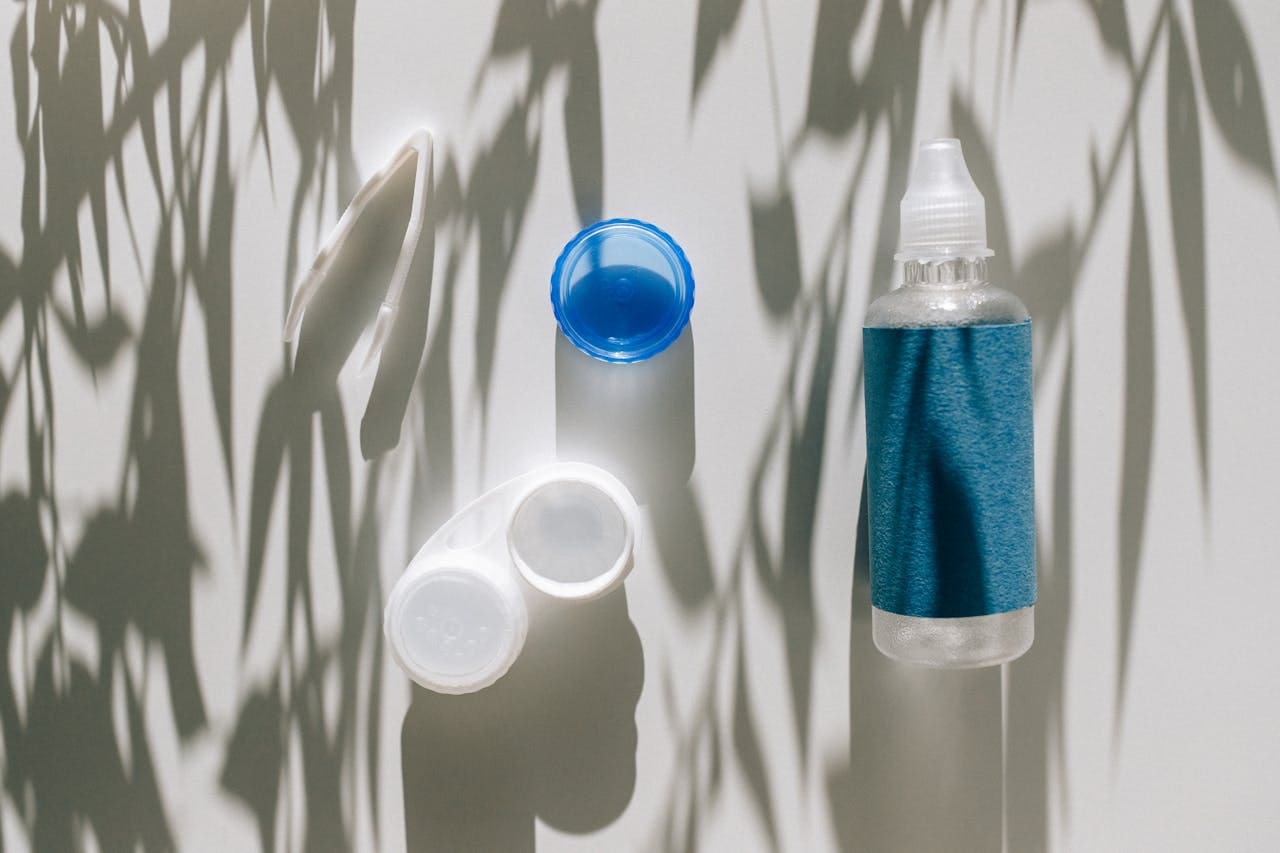
At the point when presbyopia becomes obvious, it also becomes clear that you need some form of sight correction. Glasses are useful in short bursts, but for daily wear you ought to be considering contact lenses. For your specific needs, you should defer to the optician with whom you take your test – however, let it be known that there are plenty of options for different needs.
For instance, it’s possible to get single-vision contacts that target a specific distance, which could be helpful if you spend most of your day in front of a computer. A more practical approach, though, could be to seek multifocal contact lenses, which fold multiple prescriptions into one lens type for the ability to see at all distances.
Caring for Ageing Eyes: Maintenance & Wear-Time Guidelines
Contact lenses are direct interventions in your eyesight, being placed directly on your eyes and making for a vulnerable installation or removal process as a result. If you’re experiencing presbyopia, you can also expect more frequent dry-eye symptoms as a result of both your stiffer natural lenses and potentially reduced tear production. Following the instructions for contact lens replacement schedules is the bare minimum here, though it may also help to invest in some creams for the skin around your eyes.

Jessica Alexander
Latest posts by Jessica Alexander (see all)
- Yacht Charter or Cruise? How to Choose Your Best Luxury Escape at Sea - December 15, 2025
- Transform Your Routine with Nak Shampoo for Your Hair - December 2, 2025