

Whether you grew up believing that “a tan is healthy,” spent long days lounging poolside without protection, or flirted with tanning beds in your younger years, most of us carry the visible reminders of sun exposure on our skin. And while a golden glow may feel glamorous in the short term, the long-term effects tell a different story.
Sun damage isn’t just about a little redness after a beach day — it’s the leading culprit behind premature ageing, fine lines, pigmentation, and uneven texture. The good news? With the right skincare habits and modern treatments, it’s absolutely possible to protect your skin and improve the damage that’s already been done.

How the Sun Ages Skin
When we talk about sun damage, we’re really talking about how UV radiation affects the skin on a cellular level. Research shows that as much as 80% of visible skin ageing is linked to UV exposure, leaving genetics to play only a small role.
The biggest factor? Collagen breakdown. Collagen is what keeps skin plump and youthful, but UV rays weaken and destroy these fibres long before you even notice a sunburn. The result? Fine lines, sagging, pigmentation, and dullness that creeps up over time.
UVA vs. UVB: What’s the Difference?
Not all sun rays are created equal. UVB rays are the ones most people recognize — they cause sunburn and are strongest during peak sunlight hours. But it’s UVA rays that deserve our attention when it comes to ageing.
UVA penetrates much deeper into the skin than UVB, damaging collagen and elastin while accelerating wrinkles, sagging, and dark spots. Even on cloudy or cooler days, UVA rays remain constant year-round and can pass through glass, meaning your skin is vulnerable indoors, in the car, and during winter.
That’s why sunscreen isn’t just for beach trips — it’s a non-negotiable part of daily skincare.

The Real Story on SPF
There’s a persistent myth that sunscreen acts like an invisible forcefield, blocking out every ray of light. In reality, SPF works by prolonging the time it takes for skin to burn. For example, SPF 30 theoretically allows you to stay in the sun 30 times longer than if you wore nothing at all.
For everyday use, experts recommend a minimum of SPF 30, while SPF 50 offers maximum daily protection. And no — the SPF in your moisturizer or foundation isn’t enough. For real results, you need a dedicated sunscreen applied as the final step in your morning routine.
And remember: UV rays don’t take a day off, so neither should your SPF.
Prevention: Still the Best Cure
The most effective way to deal with sun damage is to prevent it in the first place. That means:
- Avoiding direct sun exposure during peak hours (usually 10am–3pm)
- Wearing wide-brimmed hats, sunglasses, and protective clothing
- Seeking shade whenever possible
A temporary glow might feel worth it, but down the track those “healthy tans” often translate to wrinkles, pigmentation, and sagging skin.
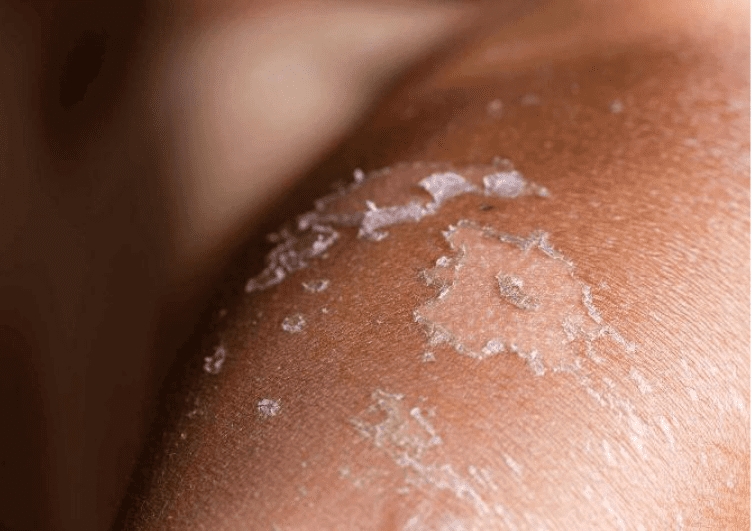
How to Repair Sun Damage
If you’re already noticing dark spots, uneven tone, or early lines, don’t panic — today’s skincare and professional treatments offer plenty of options to reverse and repair sun damage.
Book a Professional Skin Assessment
A consultation with a trained skin therapist is the best first step. They can evaluate your unique concerns and recommend a tailored plan.
For surface-level damage, hydrodermabrasion is an excellent choice. This treatment exfoliates dead skin cells while infusing the skin with hydrating serums, revealing a brighter, smoother complexion. Similarly, microdermabrasion can minimize mild sunspots and improve overall texture, often with visible results after the first session.
IPL Therapy
For deeper pigmentation, Intense Pulsed Light (IPL) therapy is one of the most effective options available. This advanced technology uses pulses of light to target excess melanin, breaking up sun spots and evening out tone. At the same time, it stimulates collagen production for firmer, more youthful-looking skin.
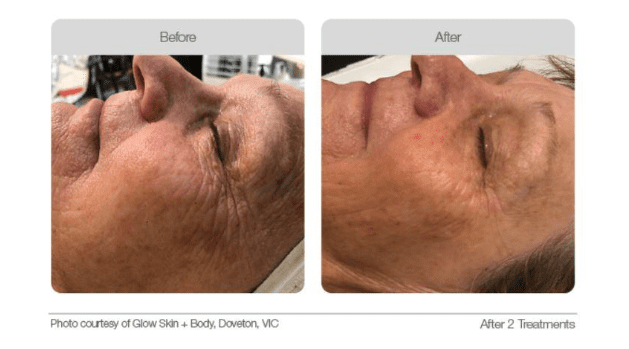
Freckles, age spots, and stubborn pigmentation often respond dramatically well to a course of treatments with an IPL machine spaced a few weeks apart.
Upgrade Your Skincare
Pair professional treatments with powerhouse ingredients at home to maximize results. Look for:
- Vitamin C – brightens and helps repair UV-induced oxidative stress
- Niacinamide – calms redness, strengthens the barrier, and softens pigmentation
- AHAs (Alpha Hydroxy Acids) – exfoliate to smooth uneven texture and boost radiance
Just keep in mind: some active ingredients can increase sun sensitivity, so they should always be paired with daily sunscreen.
Why Winter (or Cooler Months) Is the Best Time to Treat Sun Damage
Here’s a tip skin professionals swear by: the cooler months are the ideal time to address sun damage. With lower UV intensity, your skin has a better chance to heal and recover from professional treatments like IPL, peels, or resurfacing.
Because your skin is less exposed to high levels of incidental sun during autumn and winter, the risk of post-treatment pigmentation is reduced, making this the perfect season to rejuvenate your complexion.
Think of it as a head start on glowing, even-toned skin just in time for summer.

The Takeaway
Sun damage is one of the biggest threats to youthful, healthy skin — and unlike genetics, it’s one factor you can actually control. By committing to daily SPF, protective habits, and smart professional treatments, you can dramatically reduce the impact of UV rays and even reverse existing damage.
So enjoy the sunshine, but do it responsibly. Your future self (and your complexion) will thank you.
This article was created in partnership with The Global Beauty Group, a leading provider of professional skin technologies including IPL machines, hydro dermabrasion machines, and microdermabrasion machines. To learn more about advanced treatment options or to find a provider near you, visit their website.

markmunroe
Latest posts by markmunroe (see all)
- What I Pay Attention to Now - January 21, 2026
- Living Between Trips, Homes, and Creative Projects - December 27, 2025