
After a long, dormant winter, spring bursts forth with fresh energy, warmer days, and the undeniable call of the garden. Whether you’re a seasoned green thumb or a curious beginner looking to dig in for the first time, spring is the perfect season to get your hands dirty and set the stage for a lush, thriving garden. From prepping your soil to planting the right crops and keeping weeds at bay, here are the best tips and tricks to make the most of your spring gardening efforts.
Feature image by: SevenStorm JUHASZIMRUS
1. Start with a Plan
Before you pick up a trowel, take some time to plan. Think about what kind of garden you want to create: a vegetable garden, a bed of perennials, or maybe a container garden on your balcony. Sketch out a layout and make a list of plants you want to grow. Consider the light exposure in different parts of your garden, the type of soil you have, and how much time you can realistically dedicate to upkeep.
Pro Tip: Use a gardening journal or app to track planting dates, weather patterns, and plant growth. This will help you improve your garden year after year.
2. Wake Up Your Soil
After months of snow, frost, and rain, your soil needs a little TLC. Start by clearing out any debris like leaves, twigs, and dead plant matter. Next, turn the soil with a shovel or garden fork to aerate it and break up any compacted areas.
Add compost or organic matter like well-rotted manure to improve soil structure and provide nutrients. If you’re unsure about your soil’s health, a quick soil test can reveal its pH and nutrient levels, allowing you to amend it as needed.
Bonus Tip: Earthworms are a great sign of healthy soil. If you see them wriggling around, you’re off to a good start.
3. Choose the Right Plants
Not all plants thrive in the same conditions. Select varieties that are suited to your local climate, sunlight levels, and soil type. Native plants are often a great choice, as they’re adapted to the local ecosystem and usually require less maintenance and water.
Cool-season vegetables like lettuce, spinach, peas, and radishes can be sown early in the spring, while warm-season crops like tomatoes, peppers, and cucumbers should wait until after the last frost.
Flower fans, start with early bloomers like crocuses, tulips, and daffodils, then plan for continuous colour with staggered planting of perennials and annuals.
4. Tackle Weeds Early
Weeds compete with your plants for nutrients, sunlight, and water, so it’s essential to stay on top of them. The best strategy is to catch them early before they go to seed. Pull weeds by hand or use a hoe, and consider laying down a layer of mulch to prevent new weeds from sprouting.
Mulch also helps retain soil moisture and regulate temperature, providing your plants with a better growing environment.
Organic Tip: If possible, avoid using chemical herbicides. Try natural alternatives like vinegar sprays or corn gluten meal, which can help suppress weed growth without harming your garden.
5. Prune with Purpose
Spring is an ideal time to prune shrubs, trees, and some perennials. Pruning encourages new growth, improves airflow, and can help shape your plants.
However, timing matters. Early-blooming shrubs like lilacs and forsythia should be pruned right after they flower, while summer-flowering shrubs can be pruned in early spring before they bud.
Remove any dead, damaged, or diseased branches to prevent the spread of pests and improve the plant’s overall health.
6. Don’t Forget to Fertilize
Plants, like people, need food to grow. After months of dormancy, a little fertilizer can help your garden spring to life. Use a balanced fertilizer or one tailored to the needs of specific plants—vegetables, for example, thrive on higher nitrogen content.
Organic options, such as fish emulsion, compost tea, and worm castings, enrich your soil naturally and support long-term soil health.
Be cautious not to over-fertilize; too much can burn plants or cause excessive foliage growth with little fruit or flowers.
7. Start Seeds Indoors
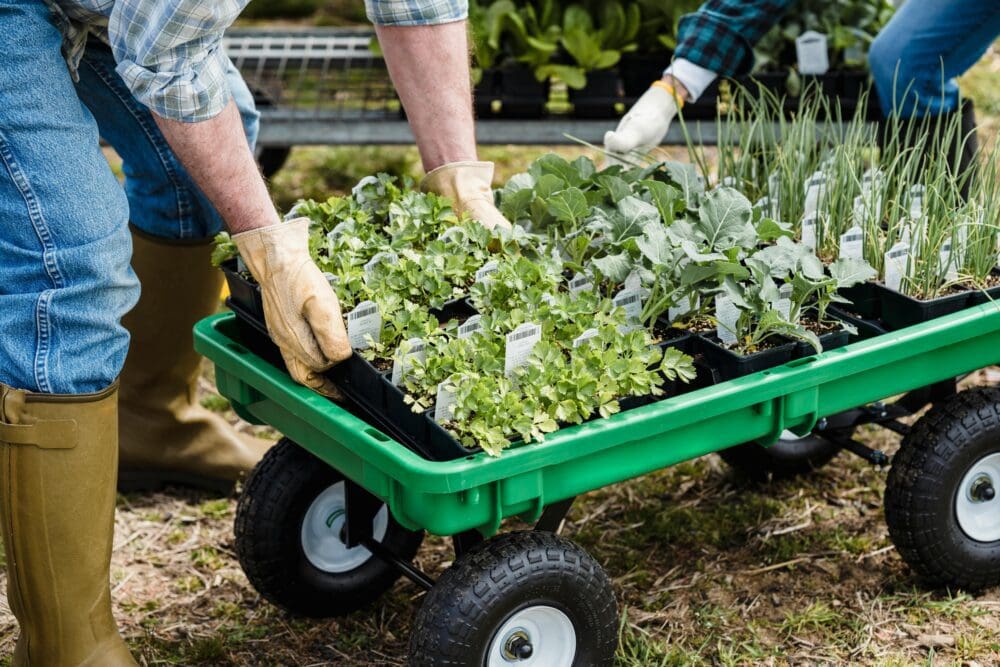
If you want a head start on your growing season, consider starting seeds indoors. Use seed trays or containers filled with a sterile seed-starting mix, and place them in a warm, sunny location or under grow lights.
Once the seedlings have a few sets of true leaves and the weather has warmed, harden them off by gradually exposing them to outdoor conditions before transplanting them into your garden.
Fun Idea: Involve the kids in seed starting—it’s a great educational activity and gives them ownership over the garden.
8. Water Wisely
Spring rains may do some of the watering for you, but it’s still important to monitor moisture levels, especially if you’re planting new seeds or seedlings.
Water deeply but less frequently to encourage strong root growth. Early morning is the best time to water, as it reduces evaporation and gives plants time to dry before nightfall, minimizing the risk of fungal diseases.
Efficient Tip: Install a rain barrel to collect water for use during dry spells. It’s eco-friendly and cost-effective.
9. Attract Pollinators and Beneficial Insects
Bees, butterflies, and ladybugs aren’t just pretty—they’re essential for a healthy garden. Plant flowers like lavender, bee balm, and coneflowers to attract pollinators.
To welcome beneficial insects like ladybugs and lacewings, which prey on garden pests, avoid pesticides and provide a diverse selection of flowering plants.
Garden Hack: A shallow dish with stones and water can give pollinators a safe place to drink without drowning.
10. Embrace Companion Planting
Companion planting is a clever way to improve your garden’s productivity and health naturally. Some plants grow better together, either because they deter pests, enhance growth, or improve flavour.
Classic combos include:
-
Tomatoes and basil – Basil can enhance tomato flavour and repel pests.
-
Carrots and onions – Onions deter carrot flies.
-
Corn, beans, and squash – The “Three Sisters” method from Indigenous agriculture supports mutual growth.
11. Stay on Top of Pests
Spring also brings out garden pests like aphids, snails, and slugs. Inspect your plants regularly for signs of trouble, such as chewed leaves, discoloration, or stunted growth, and act quickly.
Use natural solutions like neem oil, diatomaceous earth, or homemade garlic and chilli sprays to keep pests at bay.
Encourage birds and predatory insects by creating a welcoming habitat, complete with bird feeders, birdbaths, and a diverse plant palette.
12. Take Time to Enjoy
Amid the digging, planting, and weeding, don’t forget to pause and enjoy the beauty of your growing space. Gardening isn’t just productive—it’s also therapeutic. Numerous studies show that time spent in the garden can reduce stress, boost mood, and improve overall well-being.
Create a cozy nook with a bench or hammock where you can admire your hard work and soak in the scents and sights of spring.
Spring is more than just a time for new plants—it’s a season of renewal for the gardener, too. With a bit of planning, regular care, and a sense of curiosity, you can turn even a small patch of earth into a blooming oasis.
Whether you’re growing dinner ingredients or a colourful floral retreat, these tips and tricks will help you cultivate a garden that’s as joyful as it is fruitful.
So grab your gloves, step outside, and let the growing begin!

markmunroe
Latest posts by markmunroe (see all)
- What I Pay Attention to Now - January 21, 2026
- Living Between Trips, Homes, and Creative Projects - December 27, 2025