
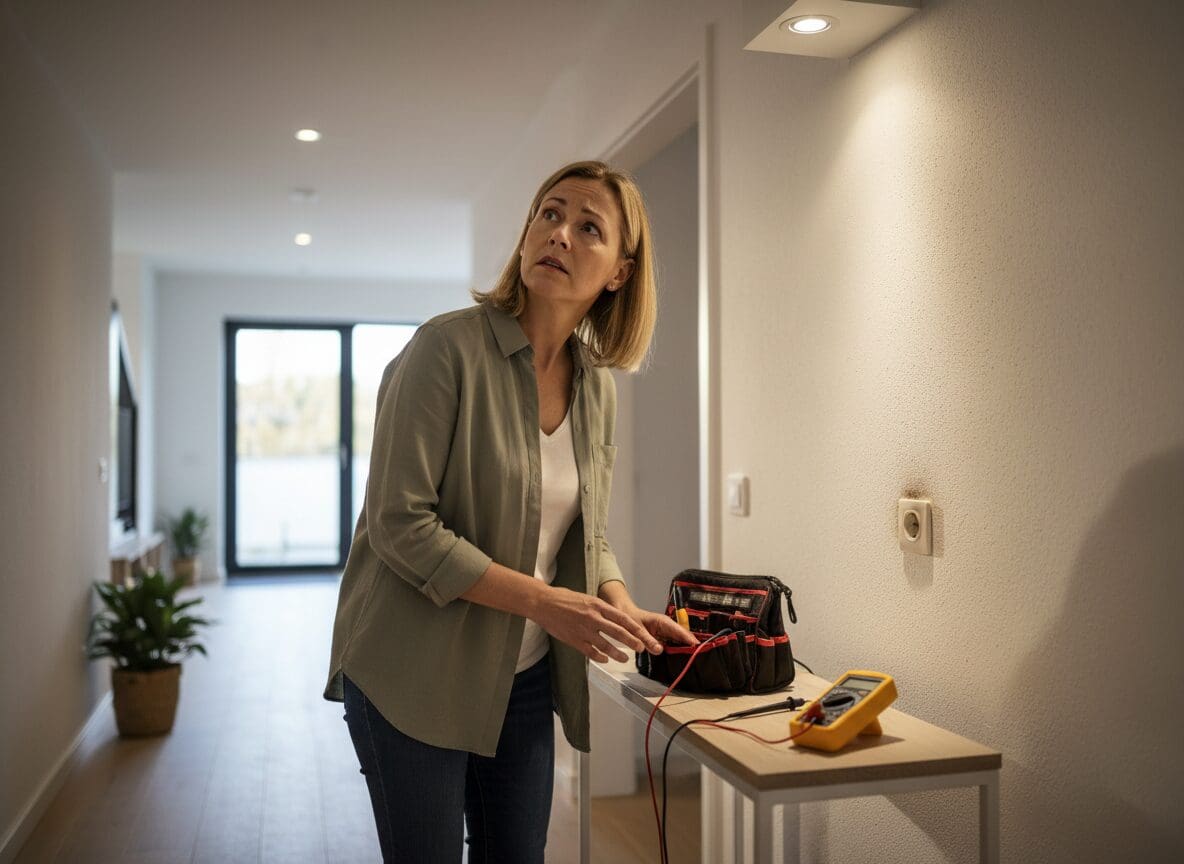
Managing and maintaining a home is a constant process of adapting, improving, and problem-solving. Basic cleaning routines, landscaping, essential repairs… the list goes on! Any homeowner knows that diligence is key to preventing minor issues from escalating into significant problems. One particular area that demands careful attention is your home’s electrical system. Timely identification of early electrical problems can help you avoid costly repairs in the future. Here’s how to spot early signs of electrical safety issues in your home before they become expensive.
Overheating Outlets and Switches
Ideally, your electrical appliances and outlets shouldn’t emit heat – and they certainly shouldn’t shock you. If you notice a mild shock when touching plugs or outlets, excessive warmth, or discolouration of your outlet plates, it could be a symptom of faulty wiring. These issues should never be overlooked, as they can pose a potential fire hazard. Call in a professional local contractor who’s familiar with the kinds of electrical problems local properties may face – for example, if you’re in Birmingham, call in Birmingham electricians. They may be able to diagnose the issue faster, based on experience with similar properties.
Flickering Lights
One of the most noticeable signs of potential electrical issues is flickering or dimming lights. While you might initially dismiss this as a minor annoyance, lights that frequently flicker could indicate a problem with your electrical system’s stability. It could be the sign of a defective light, a loose connection, or an issue with the electrical panel. The quicker you address these problems, the lower your chances of facing a major electrical catastrophe.
Frequent Tripping Circuit Breakers
Your circuit breaker is designed to trip and stop the flow of electricity in the event of overloading. While rare and occasional tripping is acceptable, if this becomes a frequent occurrence, it’s a clear sign of an electrical problem. It could indicate that your home’s electrical system is struggling to meet modern electrical demands.
Old Wiring
Older houses often have outdated electrical systems that were not designed to handle contemporary electrical demands. If your home is older than 25 years and hasn’t been rewired recently, your wiring might pose a safety risk. Warning signs of old, outdated wiring include a lack of grounding outlets, strange odours or burning smells, and antique fuse boxes.
Buzzing Noises
Your electrical systems should operate silently, with no unusual noises. If you hear buzzing or humming sounds emanating from your electrical panel, it should raise a red flag. It’s often a signal of loose circuit breakers, faulty wiring, or an overloaded electrical system. You should contact a professional immediately to assess the situation.
Need for Extension Cords
Older homes often don’t have enough power outlets to accommodate modern needs. As a result, people turn to extension cords, which can cause significant issues. Prolonged use of extension cords can overload circuits, causing them to deteriorate more quickly.
Final Thoughts
While our homes are designed to provide comfort and safety, we need to accept that issues can occur over time. Electricity plays a vital role in our daily lives, from lighting up our homes to powering our appliances. As such, it is as crucial to ensure our electrical systems are always running smoothly as it is to keep up with any other kind of home maintenance (if not more important!)
Recognising early electrical issues is crucial and requires constant vigilance. Many electrical services offer regular check-ups and maintenance services, which can make sure that your home’s electrical system operates at its peak.
Remember, when detected early, electrical issues can often be resolved with minimal intervention and disruption, safeguarding not just your home but your peace of mind.

markmunroe
Latest posts by markmunroe (see all)
- What I Pay Attention to Now - January 21, 2026
- Living Between Trips, Homes, and Creative Projects - December 27, 2025