
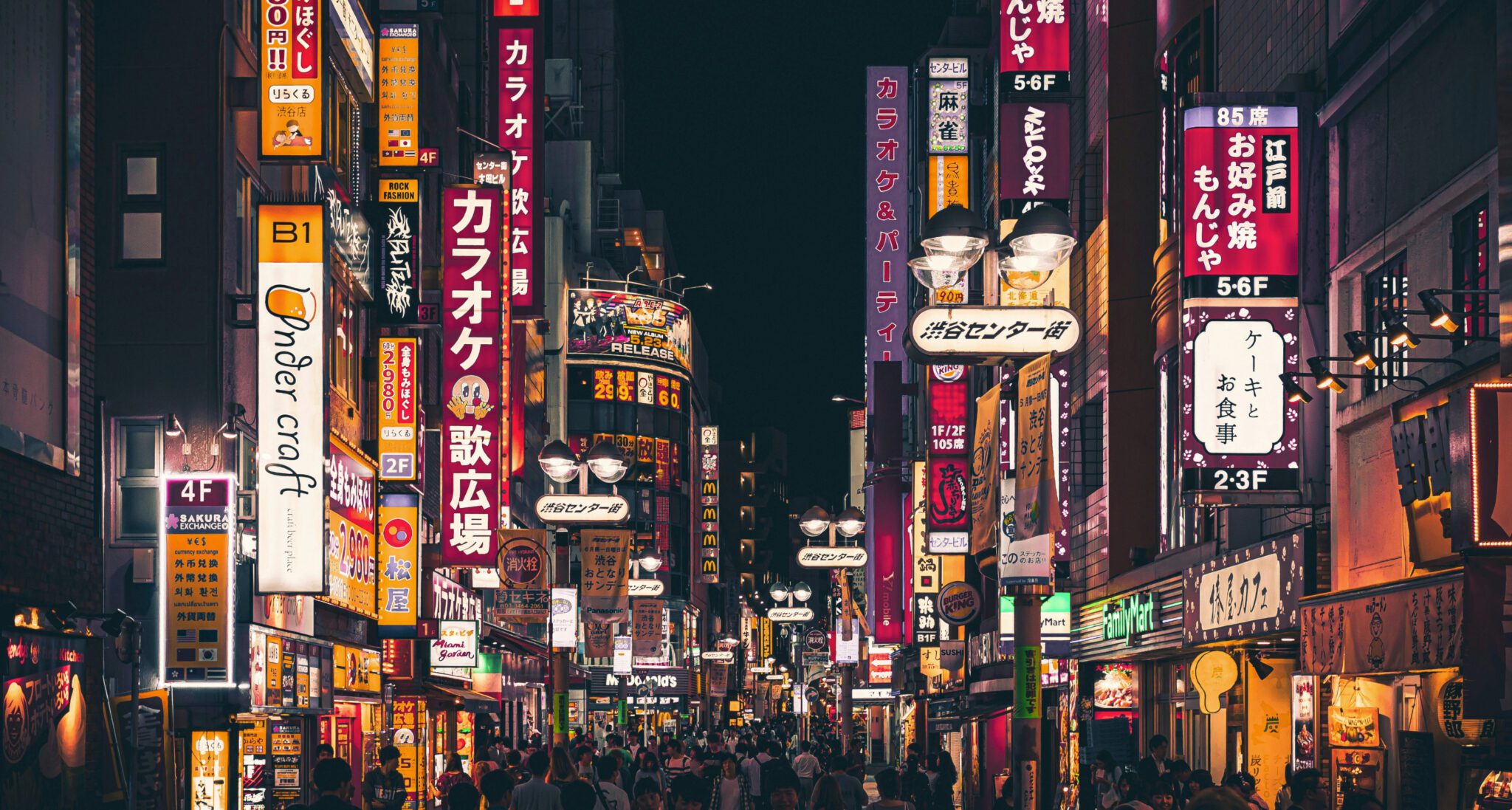
As I walked through the neon-lit alleys of Shinjuku, the air was filled with the aroma of sizzling yakitori and the distant hum of a karaoke bar, a sensory overload in the best way. Tokyo, Japan’s buzzing capital, is a city like no other—a blend of ancient traditions and cutting-edge modernity. From serene temples tucked amidst soaring skyscrapers to bustling markets filled with vibrant street food, Tokyo offers an unforgettable experience for every traveller. Whether you’re exploring the streets of Shinjuku, savoring bites in Omide Yokocho, or finding tranquility in the gardens of Meiji Shrine, Tokyo is the place to immerse yourself in its unique culture, flavors, and energy. I recently was able to experience Tokyo for 72 hours, and here are some of the things I’d recommend on your next visit
Getting around: You can get everywhere, via metro and train, just be prepared to visit one neighbourhood a day, as it can take you an hour to get to each area. To make the metro easy, get a Suica card; this way you can tap and go, and avoid getting individual train tickets, which can be difficult to navigate. If you want a physical card, you can get it at the airports when you arrive and certain train stations (note: only a few of the larget stations carry them), or you can add it to your Apple Wallet (google app coming soon). This card can also be used at any conbini (example: 7 Eleven) for food. So it’s pretty handy to have. If you are planning to visit other parts of Japan, this card can be used in other cities. I used it in Osaka, Kyoto and Hiroshima.
Where to stay: Two hotels chains I’d recommend in Tokyo include: APA Hotels and Daiwa Roynet . The APA Hotel chain offers well located business hotels in every neighbourhood. Some have Onsens, which is a nice treat after a day of touring Tokyo. The one I stayed at was APA Higashi-Shinjuku Kabukicho Tower. The rooms were small (as is common in Japan) but very comfortable; Wifi was strong and after a busy day the beds were extremely comfortable. For the solo traveller: The hotel offers single room rates, plus most of this hotel chain offers a decent buffet breakfast. The second hotel, Daiwa Roynet Hotel Nishi-Shinjuku Premier, was beautiful, well located, but a little further from the hustle and bustle. This hotel had, larger rooms, larger beds and featured a restaurant, and bar, so great for single travellers as well, looking to meet fellow travellers.
If you’re planning a short trip to Tokyo, here’s a suggested 3-day itinerary to help you make the most of your visit:
- Day 1: Explore Asakusa, starting with the iconic Senso-Ji Temple and Nakamise Street. Enjoy local delicacies like Onigiri and Melon bread while soaking in the area’s rich history and vibrant culture. And home chefs would enjoy touring Kappabashi to purchase a Japanese knife.
- Day 2: Take in Tokyo’s breathtaking skyline by visiting either SkyTree or Shibuya Sky. Afterward, unwind in a traditional garden such as Koishikawa Kourakuen Gardens to experience a slice of tranquility amidst the urban hustle.
- Day 3: Spend and afternoon at one of the teamLabs, and end your trip with a night out in Shinjuku. Begin with the lively food stalls at Omoide Yokocho, then head to Golden Gai for an unforgettable bar crawl through its cozy, atmospheric streets.
Day 1:
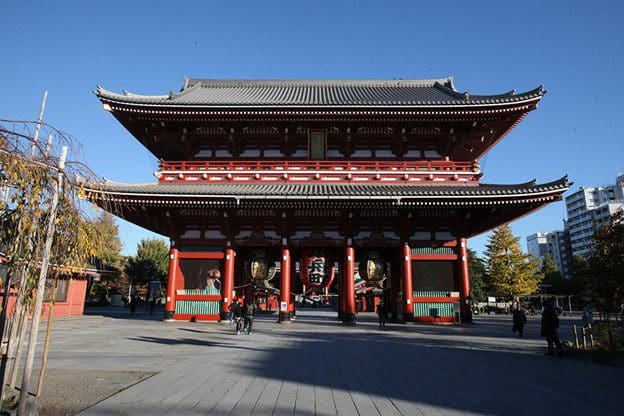
Nestled in the vibrant district of Asakusa, Senso-Ji temple is beautiful buddhist temple that is a must-visit in the city; it is the oldest temple in Tokyo, dating back to 646. This iconic site is not just a place of worship but a living testament to Japan’s rich cultural heritage and architectural splendor. First you enter through the grand Kaminarimon, or “Thunder Gate,” a striking entrance adorned with a massive red lantern. Beyond the gate lies Nakamise-dori, a bustling shopping street brimming with traditional snacks, souvenirs, and artisanal crafts. Some quick bites to check out: Onigiri Asakusa Yadoroku, Japanese Rice ball bar. You can sit at the counter and choose what you want to put into your rice ball. Inari Fukujuya, is a must-try for high end Sushi; their recipes have been passed down generation to generation, and feature deep fried tofu in a salt-based broth. Kagetsudo Melon Bread, The aroma of freshly made melonpan and the sight of delicate paper fans set the stage for an immersive cultural experience.
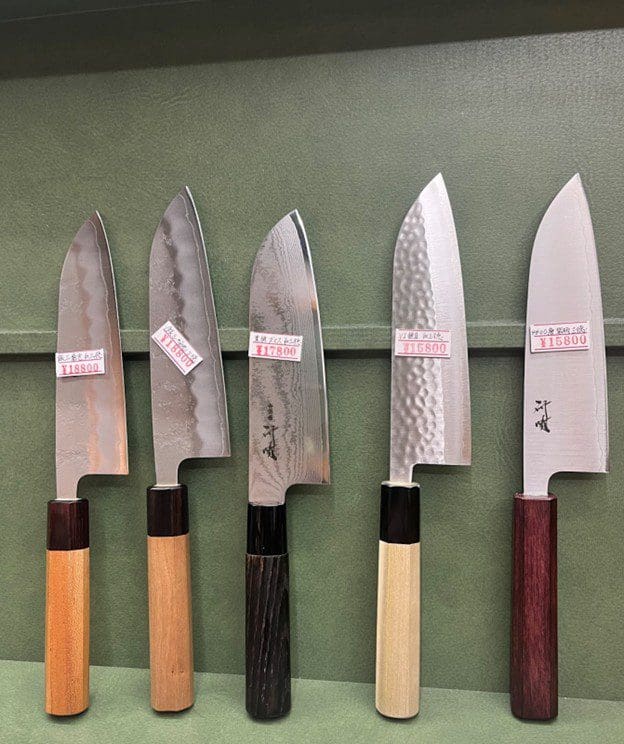
One must-have souvenir from Tokyo is a Japanese knife — an iconic blend of functionality and artistry. Japanese knives, known for razor-sharp edges, durable steel, and ergonomic handles, are for professional chefs and home cooks. Each knife is beautifully crafted with two choices of handles – Traditional Japanese or Western handles. To find the best knives, you need to venture to Kappabashi in Asakusa, often called “Kitchen Town.” The streets are lined with specialty stores but two I recommend are: Tsubaya: One of the oldest and most respected knife stores in Kappabashi and Kamata Hakensha: Famous for their custom-made knives. A nice touch – you can have your knife engraved with your name in either English or Japanese; as well as you can get sharpening stones at either store, which is recommended.
DAY 2:
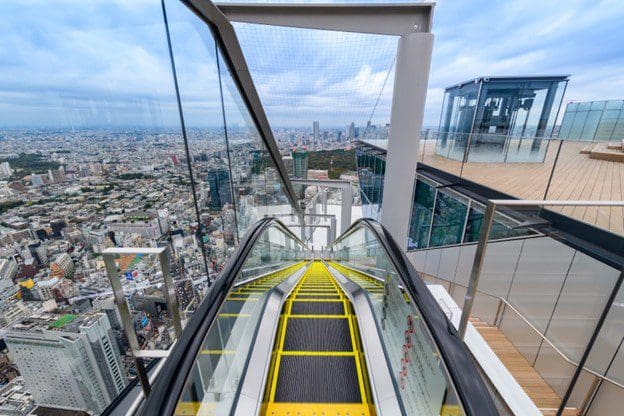
To see the city’s massive skyline there are two options: Sky Tree and/or Shibuya Sky. Standing tall, at 634 meters and Tokyo’s tallest building, the Tokyo Skytree is more than just an observation tower—it’s an architectural beauty as one of the world’s tallest towers, offering panoramic views of the city and beyond. If you’re seeking a modern and immersive city view, Shibuya Sky, is the city’s latest rooftop observation deck atop the Shibuya Scramble Square. Situated in the heart of Tokyo’s energetic Shibuya district, Shibuya Sky offers a sleek vantage point that contrasts the historical charm of other landmarks. At 230 meters above ground, this open-air observation deck provides sweeping views of Tokyo’s iconic neighborhoods, and on a winter day, you may even be able to spot Mount Fuji.

To partake is some of Tokyo’s tranquil beauty, history, and culture, visit at least one garden in the city. Koishikawa Korakuen, from the Edo period (1600-1868), is a large garden in the Koishikawa neighborhood of Bunkyō, near the Tokyo Dome and has ponds, stones, trees, and miniature landscapes. Another garden to consider is Shinjuku Gyoen National Garden, which is one of the largest parks in Tokyo, and very tourist friendly. This park also is part of the Edo Period. This garden features three garden types: Japanese landscape garden, French garden and English Landscape garden. If you are coming to Tokyo for cherry blossom season, this garden has over 400 trees, and is a beauty to see!
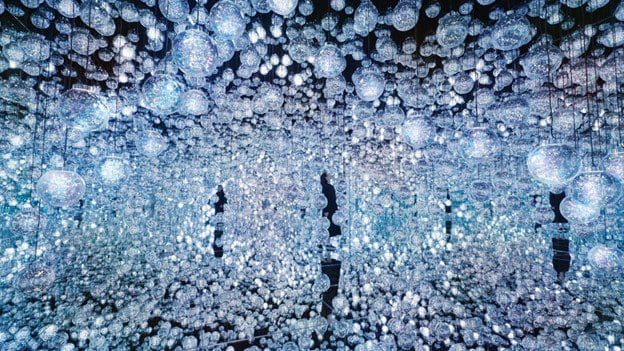
teamLab, Bubble Universe: Spherical Crystallized Light, Wobbling Light, and Environmental Light – One Stroke © teamLab
Day 3:
For those wanting an immersive experience, teamLabs, is the perfect venue. There are two different teamLabs within Tokyo, located in different parts of the city, and offering different experiences. teamLab Borderless: MORI Building DIGITAL ART MUSEUM redefines what art can be by offering an immersive, interactive experience that dissolves the boundaries between viewer and artwork. Unlike traditional galleries, there are no maps or fixed paths here. Instead, visitors are encouraged to wander freely, allowing the ever-changing digital installations to guide them on a unique journey. You get lost in the space as you explore room after room of changing artwork, that challenges your imagination. Expect to spend two-hours at least winding through the exhibition. When you book you are given a strict entry window.
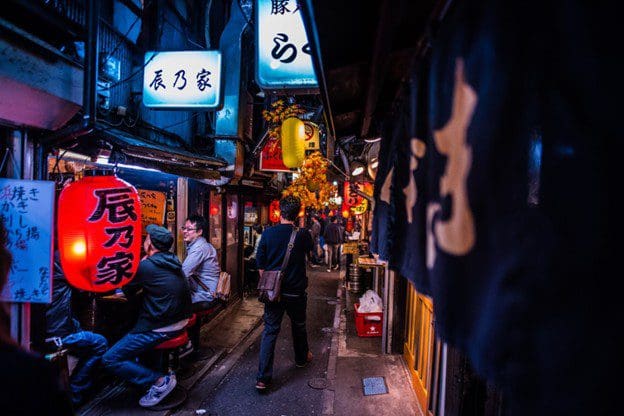
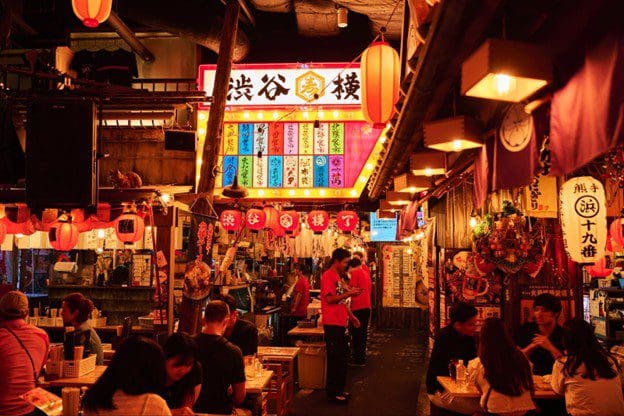
Neighbourhoods for bars and eating stalls to explore in the Shinjuku area: Omoide Yokocho and Golden Gai. Omoide Yokocho, dating back to just after World War II, was originally established as a black market with lots of food stalls, and bars, where people would head for cheap drinks and eats – charcoal-grilled meat skewers, especially chicken (Yakitori) and pork or beef. Today, the streets are still lined with small food stalls, where each vendor is serving something different – try the chef’s choice while sipping on a local beer. The names of restaurant stalls can be hard to distinguish but some to try include: Sasamoto and Tachan. You can go from food stall to food stall but be prepared to use cash. There is a 90 minute seating limit, and there will be a queue of people waiting, so you can move on to another stall or move on to drinks!
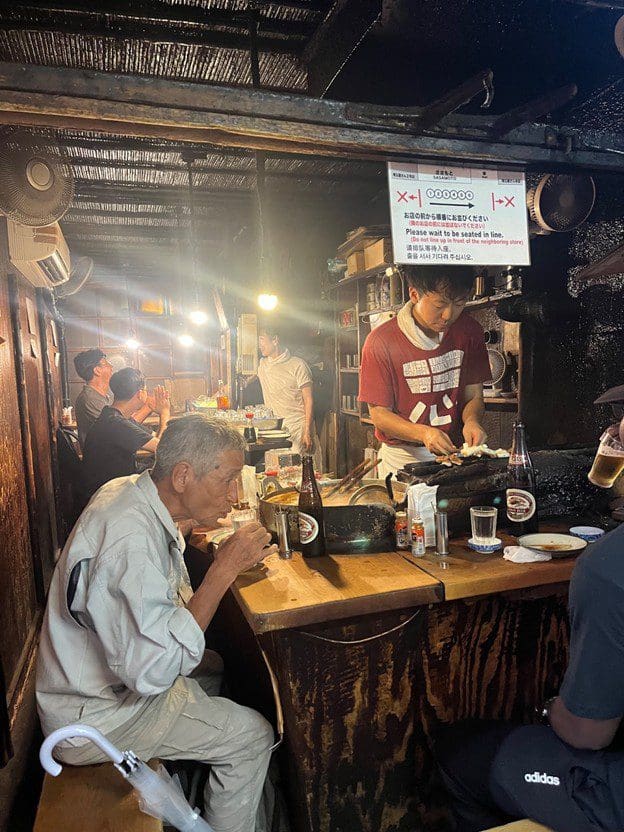
Golden Gai (Golden Street), are six narrow streets filled with over 200 small bars and restaurants (most fitting about ten people each). Upon entering you steer through cramped streets with signs advertising establishments, all intimate bars with tiny staircases, all feeling unique. I’d recommend walking throughout the six streets of Golden Gai doing a bar crawl, hitting at least 5 or 6 bars. Just stroll around and pop into any place that catches your eye. There’s an abundance to choose from. To note: some bars do have small cover fees ( ¥500 ($5))
*header photo by Aleksandar Pasaric