
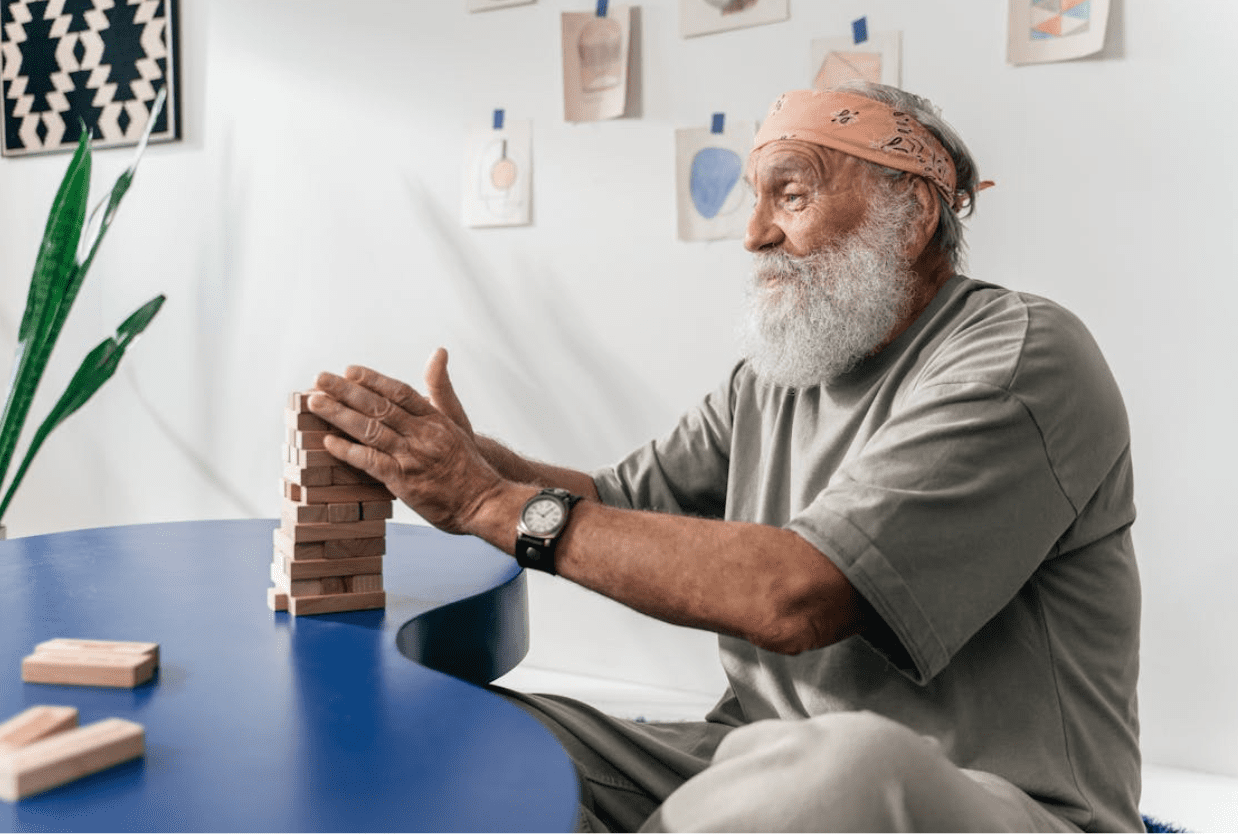
Imagine walking into a home that feels warm, safe, and familiar. For seniors living with memory needs such as Alzheimer’s or dementia, the environment around them plays a big role in how they feel and function each day.
A well-designed space not only brings comfort but also helps seniors maintain independence and feel more in control of their lives. Dive in to discover how this can benefit you.
Meeting the Needs of Memory Disorders
Memory conditions can make it hard for seniors to move around, remember where things are, or feel confident in their surroundings. Confusing layouts, harsh lighting, or too much clutter can lead to frustration or fear. On the other hand, a space that is thoughtfully arranged can bring peace, reduce stress, and even help stir pleasant memories.
When creating a supportive environment, it’s important to understand the way memory disorders affect the mind. Seniors may forget familiar faces or locations, or have trouble with daily tasks. A home that supports these changes, especially when paired with support programs for memory loss, can greatly improve their day-to-day life and overall well-being.
Designing Spaces That Feel Safe and Familiar
The physical setup of a home has a big effect on how safe and supported a senior feels. The use of calming colors, simple layouts, and recognizable objects helps create a space that feels more like home. Natural light is especially helpful, as it supports mood and helps with daily routines by connecting people with the time of day.
Colors and decorations can also bring comfort. Soft tones can help create a calm mood, while familiar items like family photos or meaningful keepsakes remind seniors of happy times. Having open, clear walkways reduces the chance of trips and falls and helps people move around with more confidence.
Every room should be easy to access. Important spaces like the bedroom, kitchen, and bathroom should be nearby and easy to find. And when it comes to keeping kitchen appliances running safely and efficiently, Best Solution Appliance Repair offers fast, reliable service to help seniors maintain their independence. Labels or signs can also be useful when memory becomes more limited.
Using the Senses to Trigger Positive Feelings
Sights, sounds, smells, and textures all help people connect to the world around them. For seniors with memory loss, these sensory cues can bring back emotions or memories. For example, soft background music can help create a relaxed feeling, while the smell of something baking might remind them of childhood or family gatherings.
Touch is important too. Having soft blankets, cushions, or familiar textures can bring a sense of comfort and security. These sensory details, when used with care, can help build stronger emotional connections and improve the overall mood of seniors in memory care.
Making a Long-Term Difference
A supportive environment is not just about comfort today. It’s about creating a place where seniors can thrive over time. With a mix of design, awareness, and compassion, families and caregivers can help improve health, happiness, and even independence for their loved ones.
This kind of environment helps reduce stress and confusion, and it builds a deeper sense of peace.
A Supportive Environment for Seniors with Memory Needs
At the center of every supportive home are love and understanding. By choosing to create a space that meets the memory needs with challenges, you are giving them a place where they feel secure, understood, and cared for.
Thoughtful design and daily attention make all the difference in the life of a senior, turning their home into a true place of healing and hope. Don’t stop here. Explore our blog for more expert advice and ideas!

markmunroe
Latest posts by markmunroe (see all)
- What I Pay Attention to Now - January 21, 2026
- Living Between Trips, Homes, and Creative Projects - December 27, 2025