

As businesses rely heavily on technology, the importance of maintaining secure and functional IT systems cannot be overstated. With the ever-evolving landscape of cybersecurity threats, organizations face challenges that require a proactive approach to IT management.
Implementing key strategies ensures the protection of sensitive data and the continuous operation of technology systems, allowing businesses to focus on their goals. This article delves into important tactics that will help organizations bolster their IT infrastructure against various threats while ensuring optimal functionality.
Regular Software Updates and Patch Management
Keeping software up to date is a fundamental strategy for maintaining both security and functionality within IT systems. Software vendors consistently release updates that address vulnerabilities, add new features, and improve performance.
Neglecting these updates leaves systems open to exploitation by cybercriminals who often target outdated software. An effective patch management process requires businesses to assess their current systems, prioritize critical updates, and implement them promptly. Organizations should automate the update process where possible, minimizing the risk of human error.
Timely patching eliminates a significant number of potential vulnerabilities. Regular compliance checks ensure that all software remains in line with security standards, safeguarding sensitive information while enhancing system performance. Regular audits allow IT teams to identify unpatched systems, evaluate their risk levels, and address any shortcomings promptly.
Monitoring Network Traffic and System Logs
Vigilant monitoring of network traffic and system logs is vital for identifying anomalies that may indicate security breaches. Continuous network monitoring provides real-time visibility into potential threats, enabling organizations to respond quickly and effectively.
IT teams can differentiate between actions that might indicate an intrusion and regular operations by examining patterns in network data. Incorporating log management tools can significantly enhance this monitoring process. Logs can provide invaluable insights into user activity, system performance, and potential vulnerabilities.
Regular log reviews help organizations identify anomalous activity, which facilitates early threat identification. Proper configuration and maintenance of logging systems ensure that data is collected efficiently, reducing the risk of missing critical events while enhancing security posture.
Implementing Strong Access Controls
Access control is paramount in safeguarding sensitive data against unauthorized access. Organizations must establish strict policies regarding who can access specific information or systems.
Firstly, defining user roles and permissions helps limit access to only those who need it for their work responsibilities. Role-based access control (RBAC) can aid in streamlining this process, ensuring users only access data relevant to their jobs. Businesses should think about implementing two-factor authentication (2FA) or multi-factor authentication (MFA) as added layers of security.
These measures add complexity for potential attackers and greatly reduce the likelihood of breaches through stolen passwords. Regularly reviewing and updating access permissions as team roles evolve or personnel changes occur is critical to maintaining secure access levels across the organization.
Data Backup and Recovery Strategies
Data loss can occur due to various reasons, from cyberattacks to hardware failures. Organizations need to have robust data backup and recovery strategies in place to mitigate the impacts of such events.
Regularly scheduled backups ensure that critical information remains secure and recoverable in case of unforeseen circumstances. An effective backup solution includes both on-site and off-site backups, providing redundancy for added protection. Organizations should utilize cloud-based solutions that facilitate easy access and sharing and enhance data security.
Reviewing and testing backup systems periodically helps ensure the restoration process works effectively. Organizations can measure their recovery time objectives (RTO) and recovery point objectives (RPO) to improve system resilience by modelling data loss situations.
Employee Training and Awareness Programs
Employees are often the first line of defence against cyber threats. Therefore, investing in training and awareness programs can pay significant dividends for organizations striving to maintain security.
Regular training ensures that employees understand potential phishing scams, social engineering techniques, and the importance of maintaining strong passwords. Engaged employees become proactive participants in their organization’s security efforts.
Simulated phishing attacks can evaluate employee readiness, allowing organizations to identify areas that need more attention. Continuous reinforcement of security practices through reminders and updates helps keep security priorities fresh in employees’ minds. A well-informed workforce can dramatically reduce security risks, enhancing the effectiveness of an organization’s IT security strategy.
Utilizing Comprehensive Security Solutions
Implementing thorough security solutions forms the backbone of a solid defence strategy against cyber threats. Organizations should evaluate available security frameworks and select those that fit their unique needs.
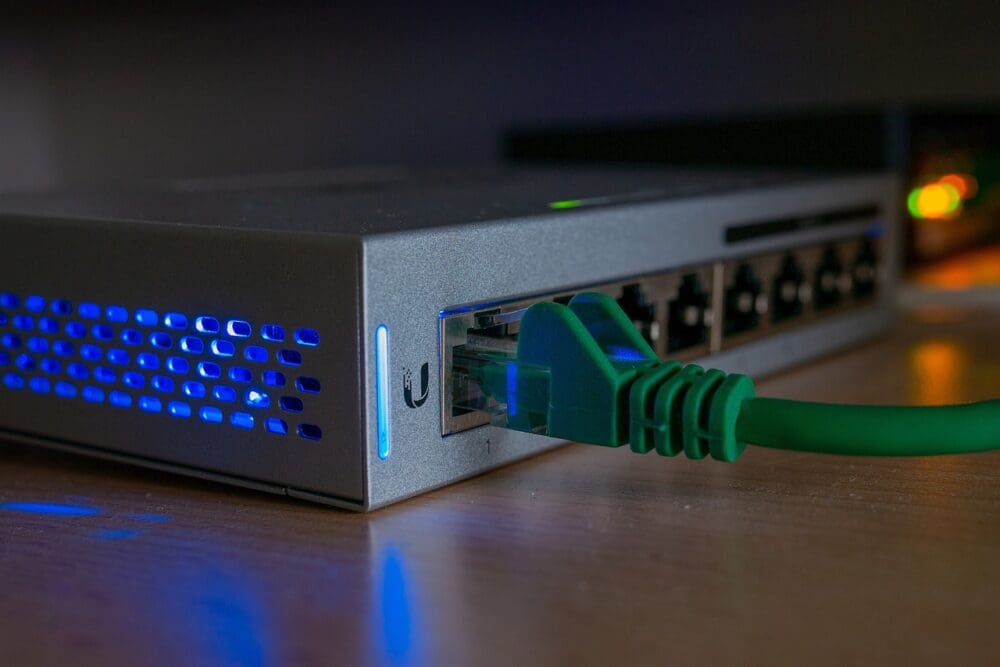
Endpoint protection tools, firewalls, and intrusion detection systems are vital components of a robust security architecture. Businesses should prioritize solutions that integrate various security functions into a cohesive strategy instead of employing disparate tools. This integrated approach streamlines operations and enhances the security landscape.
Regular assessments of security solutions ensure their continued effectiveness against emerging threats. Organizations can improve the security of their IT systems and guarantee their long-term operation by practicing proactive security management. To maintain secure and functional IT systems, organizations must adopt a multifaceted approach.
From regular software updates to employee training, each strategy plays a critical role in safeguarding valuable data and technology resources. By integrating these practices into daily operations, businesses can build resilience against an ever-changing threat landscape, ensuring they remain secure while functioning optimally.

Jessica Alexander
Latest posts by Jessica Alexander (see all)
- Smart Money Habits That Can Help During Financial Emergencies - June 4, 2026
- Yacht Charter or Cruise? How to Choose Your Best Luxury Escape at Sea - December 15, 2025