
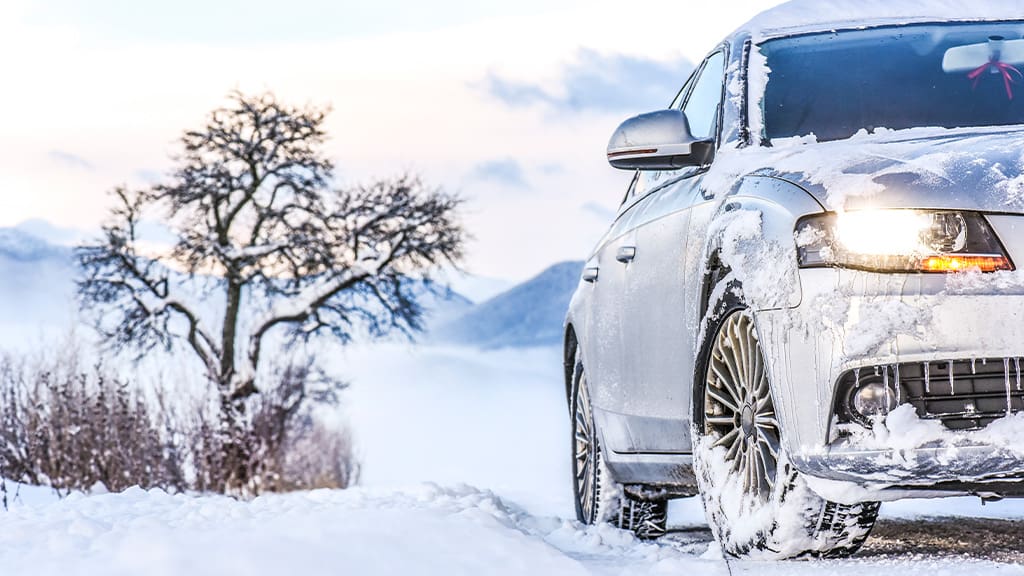
The winter season introduces several challenging driving conditions, including shorter daylight hours, the need to clear snow and ice from windshields each morning, and the potential for occasional whiteout conditions.
During this snowy season, many drivers believe in various myths that can lead to unsafe driving practices. Let’s explore some of these myths to help you drive safely throughout the winter.
Difference Between Winter and All-Season Tires
The most common winter tire myths include that all season tires are enough for driving in winter conditions. But the reality is that winter tires provide superior grip, braking, and handling on ice and snow-covered roads.
All-season tires are designed to handle light winter weather, and they perform poorly in severe winter conditions. Winter tires are designed with a rubber compound and tread pattern that enhance grip and traction in freezing temperatures.
If you drive and live in an area with severe winter conditions, it would be better to choose winter tires.
Temperature Threshold Between All-Season and Winter Tires
Weather temperature plays a crucial part when you choose tires. All season tires begin to lose their effectiveness and grip when the temperature drops below 45°F. At this point, all season tire compounds harden in the cold, which has a huge effect on safety and performance in winter conditions. The tire can easily lose grip on snowy, slushy, and icy roads.
Winter tires have a unique rubber compound that remains flexible in freezing temperatures, allowing them to provide superior traction, where all season tires would struggle. When temperatures drop below 45°F, installing winter tires can be the best option for safe driving even on ice and snow-covered roads. If you live in an area where you experience severe winter conditions, switching your all season tires to all weather or seasonal changes to winter tires is the best approach for safety.
Dangerous Belief That Two Winter Tires Are Sufficient For Winter Driving
Many drivers believe that installing only two winter tires on their vehicle is sufficient. This practice is dangerous and irresponsible, as it creates a severe traction imbalance, significantly increasing the risk of losing control of the vehicle.
Some consequences of this imbalance include:
- Loss of Traction: Winter tires are made with a softer rubber compound and feature specially designed treads that perform better in cold temperatures. In contrast, all season tires harden under these conditions. Having winter tires on one axle and all season tires on the other can lead to unpredictable vehicle behavior.
- Reduced Effectiveness of Safety Systems: Modern vehicles depend on balanced traction across all four wheels for systems like electronic stability control and anti-lock braking to function properly. A significant difference in grip between the front and rear tires can confuse these systems, making them less effective in emergency situations.
- Unpredictable Handling and Skidding: The placement of winter tires affects vehicle stability. If winter tires are installed on the front axle, the rear end of the car may spin out, resulting in a condition known as oversteer. Conversely, if winter tires are on the rear axle, the vehicle may continue straight despite turning the steering wheel.
- Increased Stopping Distance: Winter tires are designed to shorten braking distances on cold and slippery roads compared to all season tires. An imbalanced setup diminishes this advantage, and the varied braking performance can lead to skidding or spinning, potentially causing a crash.
It’s essential to equip all four tires with winter tires for optimal safety and performance during winter conditions.
Winter Tires Excel On Cold, Dry, and Wet Roads
Winter tires perform exceptionally well in cold conditions below 45°F. But that’s not all, winter tires also offer excellent performance in dry, wet, and snow-covered roads, not just in icy and freezing conditions.
These tires feature a specialized rubber compound that keeps flexible in cold weather and maintains superior grip. This flexibility with the optimal tread pattern and multiple sipes enhances traction, braking, and control in a wider range of wintry situations, including cold rain, slush, and ice.
When the temperature drops significantly, even without snow, winter tires ensure their superior traction and control on cold, wet roads, thanks to their high number of tiny sipes on the tread area and the wide grooves. These elements prevent the tire from losing its grip at all times.
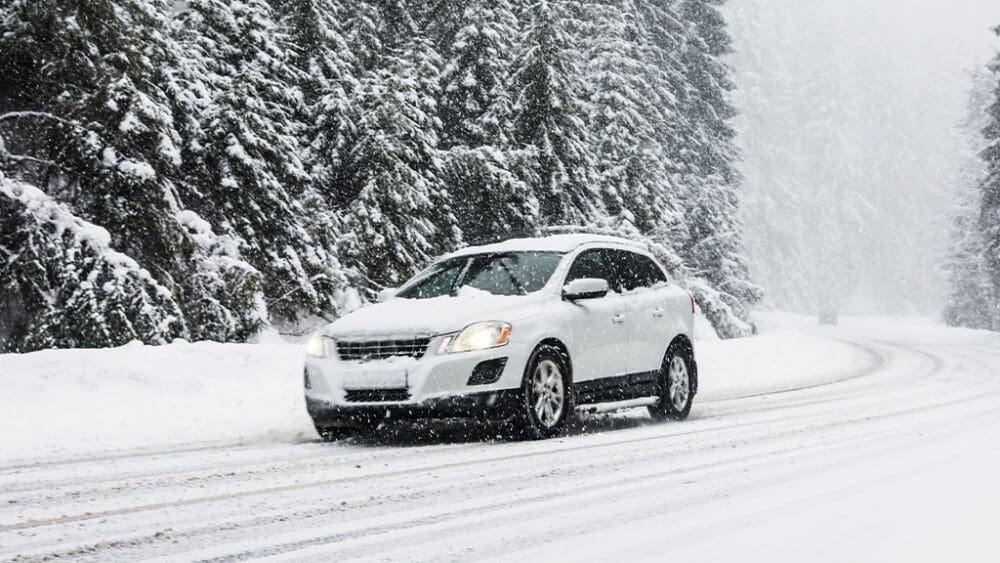
How Tread Design and Siping Improve Grip In Winter Weather
Winter tires are specifically made with larger tread blocks, grooves, and sipes to enhance grip and reduce the risk of hydroplaning by effectively channelling water away from the contact patch.
The wide grooves help to disperse water and slush from the tire’s footprint in wet conditions. If a tire is unable to displace water quickly enough, it cannot maintain contact with the road surface, which can lead to a loss of traction and hydroplaning on a thin layer of liquid.
Most winter tires feature either directional or asymmetric tread patterns. The directional tread, often shaped like a V, is designed to rotate in one specific direction. This design helps to force water out from the center of the tire to the sides, making it more effective in preventing hydroplaning, while also increasing the gripping ability on ice and snow-covered roads. In contrast, asymmetric tread patterns combine different designs on the inner and outer halves of the tire. The outer side typically features larger tread blocks for improved cornering and maneuverability, while the inner side has deeper grooves for enhanced water dispersion.
The Core Benefits Of Winter Tires
The biggest benefit of winter tires is their ability to enhance safety in cold, snowy, and icy conditions. Ideal winter tires provide superior grip due to their special rubber compounds and tread patterns. They can shorten braking distances on slippery surfaces and improve control for better handling and stability during maneuvers, such as cornering.
These features work together to reduce the risk of accidents by ensuring consistent contact with the road and preventing loss of control on icy and snowy terrain. The deeper treads and numerous sipes help the tire maintain stability during turns and maneuvers, reducing the risk of skidding. This design significantly improves the vehicle’s overall handling and responsiveness on winter roads, allowing the driver to steer and maneuver with confidence.
By maintaining better traction and control, winter tires minimize the chances of loss of control, spins, and collisions, making them a crucial safety component for winter driving.
Conclusion
This winter tire myth emphasizes that all season tires are inadequate for severe winter conditions, as they are not designed for cold, snow, or ice. It is essential to choose winter tires for all four wheels to ensure balanced handling. When combined with vehicle safety systems like AWD (All-Wheel Drive) and ABS (Anti-lock Braking System), winter tires provide superior traction and enhance safety.
Properly timed installation, regularly checking for tire aging, and understanding local tire regulations are crucial for safe driving during the winter season. If you live in an area with severe winter conditions, it’s best to choose all weather or winter tires for maximum grip, traction, and safety. These tires can handle temperatures below 45°F, helping you arrive at your destination safely.

Jessica Alexander
Latest posts by Jessica Alexander (see all)
- Smart Money Habits That Can Help During Financial Emergencies - June 4, 2026
- Yacht Charter or Cruise? How to Choose Your Best Luxury Escape at Sea - December 15, 2025