
This past week, I shared something deeply personal on social media — a video announcing my engagement. It was a joyful moment that I wanted to share it with my community, my friends, and anyone who’s been following my journey.
And in many ways, it was beautiful. The overwhelming majority of people responded with love, excitement, and heartfelt congratulations. Friends I hadn’t spoken to in years reached out. Followers from across the globe sent kind words. I felt the warmth of connection and the support of a community that’s been built over time.
But alongside all that love, something else came flooding in. Hate.
Some people told me I’d “burn in hell.” Others decided to call me a “sinner,” as if they had a direct line to some divine moral authority. Strangers I’d never met commented with vomit emojis, as if my happiness and love for another person was somehow disgusting. And then there were the death threats — messages so vile, so deeply rooted in prejudice and fear, that they stopped me in my tracks.
It’s hard to explain what it feels like to receive that kind of hatred just for existing — for loving. It’s an emotional whiplash: joy on one side, cruelty on the other. And while I have a thick skin, while I’ve lived enough life to know that bigotry often says more about the person spewing it than the target, it doesn’t make it right. It doesn’t make it okay.
And it’s exactly why I believe, more than ever, that we need to speak out and stand up for 2SLGBTQIA+ rights.
The Illusion of Progress
We like to think we’ve come a long way, and in many ways, we have. We’ve seen legal victories — marriage equality in many countries, protections in the workplace, and increased visibility in media and politics.
But visibility and legal rights don’t mean the fight is over. If anything, moments like my engagement post remind me that the hostility is still alive and well. The prejudice is still out there, lurking in comment sections and hiding behind anonymous usernames. It’s still embedded in certain institutions, still being preached from pulpits, still being whispered in homes where kids are learning that hate is acceptable.
We can’t confuse visibility with safety. We can’t assume that just because we see more queer characters on TV or more Pride merchandise in stores that the world has become universally accepting. The truth is, there are forces actively working to strip away the rights we’ve fought for, to silence our voices, to erase us from public life.
Why Silence Isn’t an Option
I could have ignored the hate. I could have quietly deleted the worst comments, blocked the trolls, and moved on. And to be clear — taking care of your mental health and protecting your peace is always valid. No one is obligated to engage with abuse.
But silence can also be dangerous. Silence creates space for bigotry to breathe, to spread, to take root. When we don’t challenge hate, we allow it to masquerade as an opinion instead of what it really is — a violation of human dignity.
Speaking out isn’t just about defending yourself. It’s about making sure the next generation knows they are not alone. It’s about showing young queer kids — the ones scrolling through Instagram late at night, wondering if they’ll ever be accepted — that love can win, even if it’s loud and messy and fought for every step of the way.
When we share our stories, when we respond to hate with visibility and resilience, we make it harder for those who want to erase us to succeed.
Protecting “the Dolls” — and Everyone Else
In queer slang, “the dolls” often refers to trans women, especially trans women of colour — the very people who have historically been at the forefront of our movement and yet are among the most vulnerable in our community.
They are being targeted at alarming rates. Laws are being proposed and passed that strip away their rights to healthcare, to safe spaces, to simply exist without being harassed. Trans women of colour face higher rates of violence, poverty, and discrimination than almost any other group in the 2SLGBTQIA+ community.
If we’re not protecting the dolls, we’re not protecting the community. Period.
But our fight isn’t only about one group within the rainbow — it’s about all of us. It’s about queer elders who paved the way and deserve to live their later years in dignity and safety. It’s about queer youth who deserve to grow up without fear of being kicked out of their homes or bullied in school. It’s about those who can’t be out publicly because it’s not safe yet — and making the world safer for them to live authentically.
The Human Cost of Hate
When people send messages like “burn in hell” or “you’re disgusting,” it might feel like just words to them — some impulsive, keyboard-warrior cruelty. But those words have weight. They create environments where violence feels justified. They embolden those who would take things further.
The death threats I received after my engagement post weren’t “just words.” They were an attempt to intimidate, to scare me into hiding, to make me regret my joy. And while I won’t give them that satisfaction, I know not everyone is in the same position of strength or safety.
That’s the human cost of hate: lives lived in fear, mental health shattered, potential cut short. Every queer person lost to violence or suicide is a reminder that this is not just an online debate. This is life or death.
Solidarity in Action
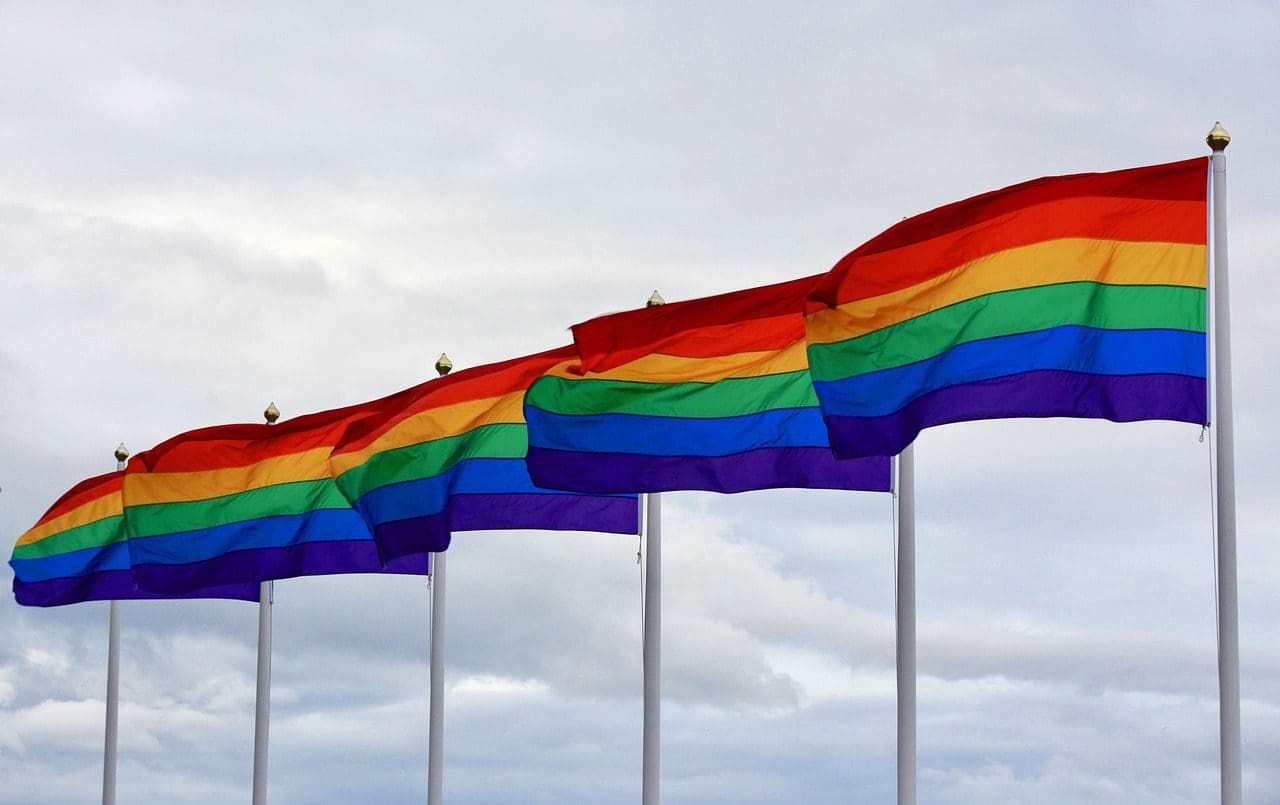
Standing up for 2SLGBTQIA+ rights means more than just posting a rainbow flag once a year in June. It means calling out bigotry when you hear it, even if it’s uncomfortable. It means voting for leaders who protect human rights, not strip them away. It means donating to organizations that provide shelter, legal aid, and healthcare to queer people in need.
It also means uplifting queer voices and stories year-round — not just when it’s trendy or marketable. The more we normalize queer joy, love, and success, the harder it becomes for hate to take hold.
And if you’re straight, cisgender, and reading this? Your voice matters in this fight. Your advocacy matters. Marginalized people can’t dismantle oppression alone — the weight of change has to be carried by everyone.
Choosing Love Over Fear
When I think about the comments that told me I’d burn in hell, I realize those words are rooted in fear — fear of difference, fear of change, fear of losing a worldview that has been unquestioned for too long.
But love is stronger than fear. Love has built our community. Love has carried us through decades of struggle, from the Stonewall riots to the fight for marriage equality to today’s battles for trans rights.
My engagement is an act of love — not just between my partner and me, but as a statement to the world: we exist, we love, and we are not going anywhere.
The Work Ahead
The hate I received after my announcement was a harsh reminder: progress is never guaranteed. Rights can be rolled back. Acceptance can erode. And while it’s exhausting to have to keep fighting, the alternative is far worse.
We have to keep speaking out. We have to keep standing up. We have to show up for each other — for the dolls, for the kids, for the elders, for the ones who haven’t found their voice yet.
Because the truth is, none of us are free until all of us are free. And love — in all its forms — is worth protecting.
So I’ll keep posting. I’ll keep sharing my life, my love, my truth. Not because I owe it to the people who send me hate, but because I owe it to the ones who see themselves in my story and find hope in it.
Hate may be loud, but love can be louder. And I intend to make sure it is.
markmunroe
Latest posts by markmunroe (see all)
- Mandolin – The Quiet Instrument That Comes Alive at Concerts - October 23, 2026
- The Growing Allure of High Adrenaline Weekend Escapes - October 2, 2026