
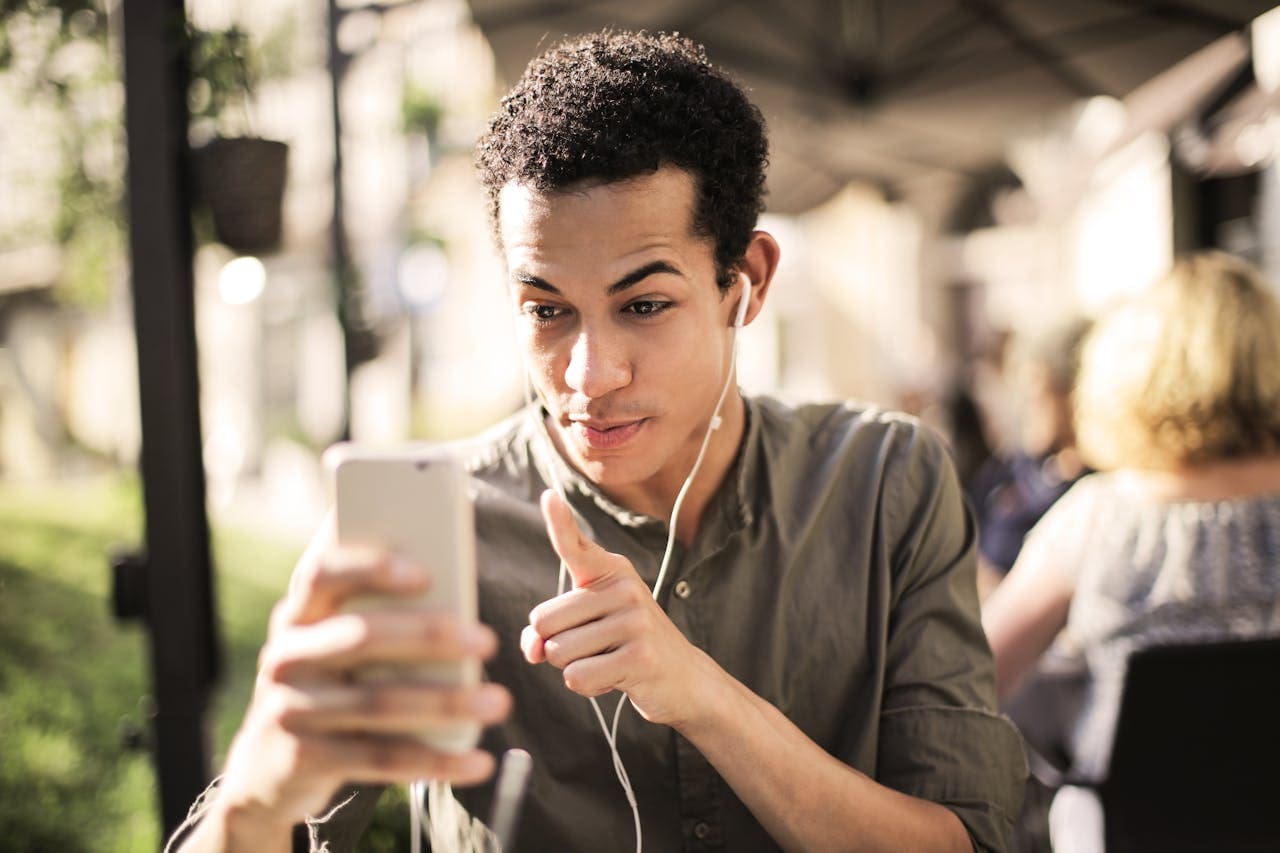
We live in a paradox: never before have we been so connected, yet so many of us feel deeply alone. Our phones—those glowing portals in our pockets—promise instant access to friends, family, and communities across the globe. But beneath the glossy surface of likes, comments, and emojis, a more troubling truth lurks. Could the very devices designed to bring us closer be making us feel more isolated than ever?
This isn’t just nostalgia for a pre-digital world. Studies, therapists, and even tech insiders are sounding the alarm on the unintended social consequences of constant connectivity. It’s time to ask the hard question: is your phone making you lonely? And if so, what can we do about it?
The Illusion of Connection
At first glance, our phones seem like powerful tools for connection. We can FaceTime a friend overseas, check in with a parent via text, or join a lively debate on social media—all from the same device. But many of these interactions are surface-level. They often lack the depth, vulnerability, and emotional resonance that come with in-person conversations or even phone calls.
Dr. Sherry Turkle, author of Alone Together: Why We Expect More from Technology and Less from Each Other, argues that digital communication has created a culture of “sips” of conversation rather than deep dives. We’re constantly connected, yet we’re interacting in ways that rarely require full presence or emotional investment.
Scrolling through someone’s highlight reel on Instagram may trick your brain into thinking you’re keeping up with their life, but it doesn’t offer the same sense of bonding that comes from grabbing a coffee or having a phone call. You’re seeing them—but not feeling them.
The Loneliness Epidemic
Loneliness isn’t just a feeling—it’s a public health issue. In 2023, U.S. Surgeon General Dr. Vivek Murthy declared loneliness a national epidemic, comparing its health impacts to smoking 15 cigarettes a day. Chronic loneliness can lead to increased risks of heart disease, depression, anxiety, cognitive decline, and even premature death.
While loneliness has many causes—geographic isolation, societal fragmentation, the decline of community spaces—our relationship with digital devices is increasingly seen as a major contributing factor. The more time we spend looking at screens, the less time we’re spending engaging in face-to-face interactions that nourish emotional connection.
Ironically, many people turn to their phones when they feel lonely, seeking a quick hit of validation or distraction. But these digital “connections” can be shallow, leaving people feeling even more isolated afterward.
Scrolling vs. Socializing
Part of the problem lies in how we use our phones. Social media platforms are designed to maximize engagement, not emotional wellbeing. They keep us scrolling, comparing, and posting, all in pursuit of likes and attention. The result is often a dopamine-fueled cycle that rewards superficial interactions over meaningful ones.
Even messaging apps can become a trap. Text conversations, while convenient, can stretch on for days without resolution or real depth. Group chats can feel chaotic and impersonal. Voice notes may add some humanity back in, but they still pale in comparison to real-time dialogue.
Meanwhile, screen time analytics consistently show that the average adult spends between 3 to 6 hours a day on their phone. That’s dozens of hours each week that could be spent nurturing real-world relationships, engaging in community, or even just sitting with our own thoughts.
The Subtle Erosion of Presence
One of the most insidious ways our phones contribute to loneliness is by fragmenting our attention. When we’re constantly checking notifications, refreshing feeds, or thinking about the next post, we’re not truly present with the people around us.
How often have you sat in a room with others, each person scrolling silently on their own device? These micro-moments of disconnection add up. They send a subtle but clear message: this screen is more important than you. And that message, repeated often enough, breeds emotional distance—even in close relationships.
Relationships require presence, and presence requires putting the phone down. But as our attention spans dwindle and digital dependence grows, being fully engaged with another person is becoming a lost art.
Reclaiming Real Connection
So what can we do to combat this modern loneliness?
First, we have to get honest about our relationship with our devices. That means recognizing when we’re using our phones as a substitute for real connection. Are we texting instead of talking? Lurking instead of engaging? Using social media to numb instead of connect?
Next, we can start to set intentional boundaries. That might look like:
- Creating screen-free zones at home (like the dinner table or bedroom)
- Scheduling regular in-person hangouts with friends or family
- Turning off non-essential notifications that pull your attention away from the present
- Setting social media time limits or taking regular digital detoxes
- Replacing passive scrolling with active reaching out—send a real message, make a phone call, write a letter
We can also seek out community in more analog ways. Volunteering, joining local clubs or classes, attending events, or just saying hi to a neighbour can create small but powerful threads of connection that don’t rely on algorithms.
Building Digital Relationships that Actually Matter
Not all digital connection is bad, of course. In fact, many people find their most meaningful communities online—especially those who are marginalized or geographically isolated. The key is depth and intention.
Look for platforms, group chats, or forums that encourage real conversation and support—not just performance or comparison. Be willing to go beyond the double-tap and actually message someone. Share your real self, not just your curated self. Vulnerability builds connection, even through a screen.
And when you find those people you truly vibe with—take the connection offline if you can. Meet up. Video chat. Talk on the phone. Let your digital friendship become a real-world relationship.
A Phone is a Tool—Not a Substitute
Ultimately, your phone is just a tool. It can help you stay in touch, meet new people, and build bridges—or it can keep you isolated, distracted, and craving something more. The difference lies in how you use it.
The next time you feel lonely, resist the urge to scroll. Instead, call a friend. Go outside. Start a conversation. Make eye contact. Connection starts with presence, and presence starts with intention.
Because at the end of the day, what we’re really craving isn’t more content—it’s more connection. And no app, no matter how well-designed, can replace the power of a real human moment.
Loneliness isn’t a glitch in the system. It’s a symptom of how we’re living. If we want to feel less alone, we need to stop outsourcing our relationships to our devices and start showing up for each other—in real life, in real time.
It’s not easy. But it’s worth it.
Because while your phone may be smart, it can’t hold your hand, listen with empathy, or make you laugh until you cry. Only people can do that.
And you deserve real connection.

markmunroe
Latest posts by markmunroe (see all)
- Mandolin – The Quiet Instrument That Comes Alive at Concerts - October 23, 2026
- The Growing Allure of High Adrenaline Weekend Escapes - October 2, 2026