
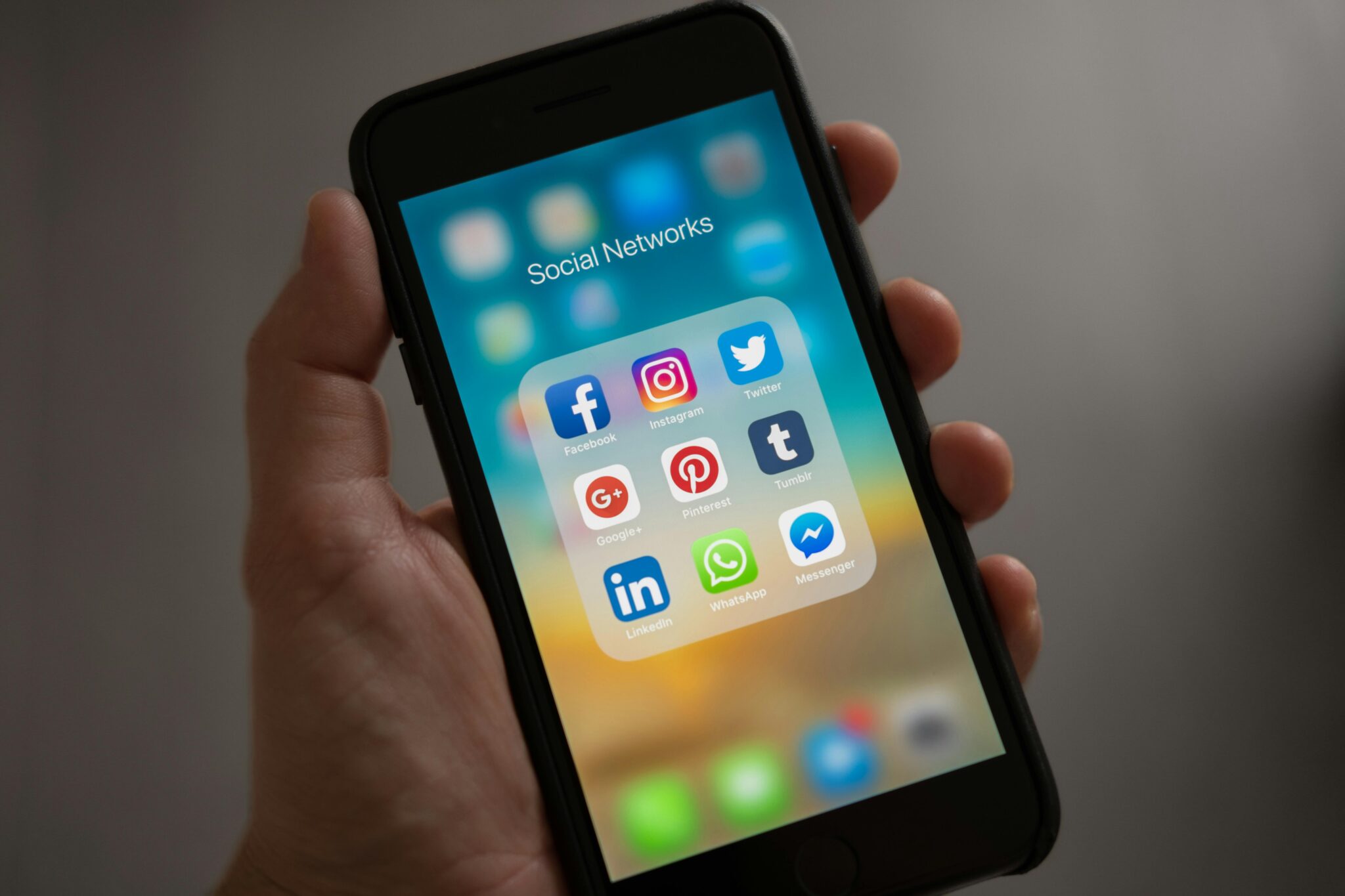
In today’s digital-first world, scrolling through Instagram, checking Twitter updates, and tapping through TikToks has become second nature. For many, these platforms are sources of entertainment, information, and even connection—but increasingly, they’re also becoming sources of stress, comparison, anxiety, and burnout.
If you’ve ever felt overwhelmed after spending too much time on your phone, you’re not alone. In fact, more people than ever are choosing to take deliberate breaks from social media to preserve and protect their mental health. And for good reason.
Photo by Tracy Le Blanc
The Hidden Toll of Constant Connectivity
Social media platforms are designed to keep us engaged. Every like, comment, and new follower triggers a hit of dopamine, creating a cycle of instant gratification. But this digital validation loop comes at a cost. Numerous studies have linked excessive social media use to increased rates of anxiety, depression, loneliness, and decreased self-esteem—especially among young adults.
We often forget that what we see online is a curated highlight reel. People tend to share their best moments: vacations, career wins, flattering selfies, and exciting social lives. It’s easy to fall into the trap of comparison—believing that everyone else is doing better, living happier, or succeeding faster.
Dr. Andrea Lo, a clinical psychologist based in Toronto, notes, “Even though we know intellectually that what we see on social media is not the whole story, emotionally it’s still hard not to internalize it. The comparison game is subtle but powerful—and over time, it chips away at your sense of self-worth.”
Signs You Might Need a Break
Taking a break from social media doesn’t mean you’re weak or anti-tech—it means you’re aware and proactive about your well-being. But how do you know when it’s time to step back?
Here are some signs to watch for:
-
You feel anxious or unsettled when you haven’t checked your phone in a while.
-
You find yourself constantly comparing your life to others’.
-
You feel worse about yourself after scrolling.
-
You’re not as present in real-life conversations or activities.
-
Your sleep is being disrupted by late-night doomscrolling.
-
You’re mentally exhausted but can’t stop checking notifications.
If any of these resonate with you, it might be time to reassess your relationship with social media.
The Mental Health Benefits of Unplugging
Taking a break—even a short one—can do wonders for your mental clarity, emotional balance, and overall sense of well-being.
Here’s what some people experience when they log off:
1. Reduced Anxiety and Depression
Studies have shown that limiting social media usage can significantly reduce symptoms of anxiety and depression. Without the constant influx of filtered content and news, your brain has space to rest and recover.
2. Improved Self-Esteem
Without the ongoing comparisons, many people find they feel better about their own lives. You begin to re-focus on your personal wins, growth, and joys rather than measuring yourself against others.
3. Better Sleep
Putting your phone down a few hours before bed reduces blue light exposure and mental stimulation, leading to deeper, more restful sleep.
4. Reconnection with the Present
When you’re not distracted by a constant feed, you’re more likely to engage deeply with real-life experiences—meals, conversations, hobbies, or even just enjoying a quiet moment.
5. More Time for What Matters
Think about the hours lost to mindless scrolling. When you take a break, you suddenly find time to read that book, take that walk, call that friend, or start that project.
How to Take a Break (Without Going Cold Turkey)
Not everyone can (or wants to) disappear from social media entirely—and that’s okay. A break can be whatever you need it to be. Whether it’s one day, one week, or a month-long detox, there are many ways to go about it.
Here are a few strategies:
1. Set App Limits
Most smartphones now have features that let you set daily time limits for specific apps. Even cutting back to 30 minutes a day can make a difference.
2. Designate “No Scroll” Times
Create specific blocks in your day that are screen-free—first thing in the morning, during meals, or before bed.
3. Delete Apps Temporarily
Removing social media apps from your phone (even for a weekend) helps remove the temptation to mindlessly open them.
4. Use Tools Like “Focus Mode” or “Do Not Disturb”
These features help reduce interruptions so you can stay present in what you’re doing.
5. Replace Scrolling with Something Intentional
Instead of reaching for your phone out of habit, try journaling, meditating, listening to a podcast, going for a walk, or reading a few pages of a book.
What to Expect Emotionally
It’s important to acknowledge that taking a break from social media can feel strange at first. If you’re used to being plugged in 24/7, the initial silence can be jarring. You might even feel a sense of FOMO (fear of missing out).
But stick with it. Give yourself a few days to adjust. Many people report that after the initial withdrawal, they feel lighter, more grounded, and more at ease.
Also, be prepared for some emotional revelations. Without the distraction of your feed, you may uncover feelings or thoughts you’ve been avoiding. This can be an opportunity for growth and self-discovery.
Reintroducing Social Media Mindfully
If and when you decide to return, it’s worth doing so with a new mindset. Instead of letting social media control your time and mood, set boundaries and engage intentionally.
Here are some tips for a healthier return:
-
Curate your feed: Unfollow accounts that make you feel less-than. Follow creators who inspire, educate, or uplift you.
-
Engage, don’t just consume: Leave meaningful comments, share thoughtful posts, and interact with friends instead of just lurking.
-
Check in with yourself: Before opening an app, ask: “Why am I logging on? What do I need right now?”
-
Log off when needed: Remember, you can always take another break.
Real Talk: Social Media Isn’t Evil—But It’s Not Neutral
Social media isn’t inherently bad. It’s a tool—and like any tool, it depends how you use it. It can connect, inform, and entertain. But it can also drain, distract, and disorient.
Taking a break isn’t about rejecting technology. It’s about reclaiming your time, your attention, and your emotional space. It’s about stepping back so you can check in—with yourself, with the people around you, and with the real world that exists beyond the screen.
As we continue to navigate a world that’s increasingly online, one of the most radical things we can do for our mental health is to simply log off—even just for a little while.
Final Thought
You don’t have to quit forever. You don’t have to make a big announcement. You don’t have to feel guilty for needing space. All you have to do is notice how you feel, honor what you need, and take the time to come back to yourself.
Your mind—and your soul—will thank you for it.

markmunroe
Latest posts by markmunroe (see all)
- Five Benefits of Taking a Digital Detox One Day Per Week - August 17, 2026
- Top Interior Home Door Trends for 2026 - July 31, 2026