
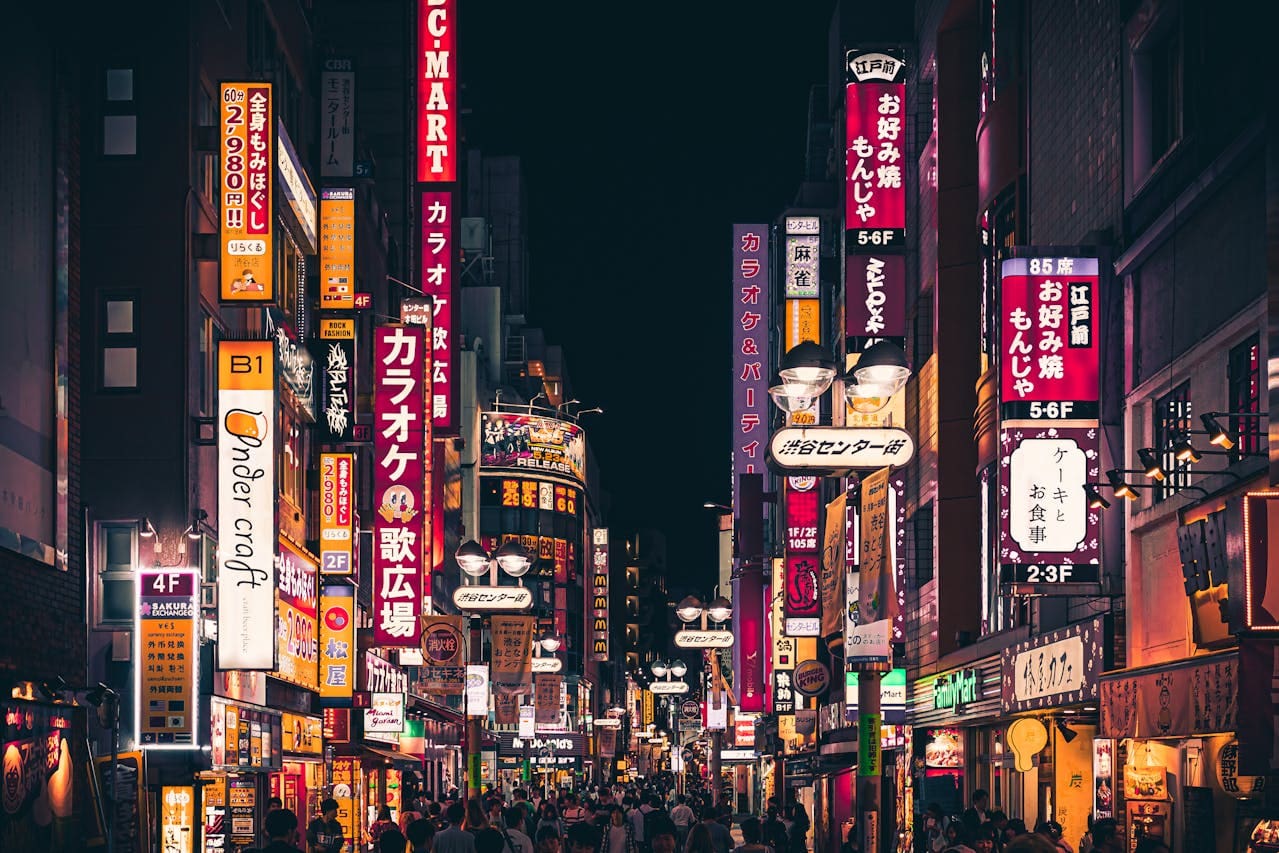
In an ever-evolving world, urban landscapes continue to grow, driven by economic opportunities, migration, and natural population growth. These vast metropolises, each with its unique culture and challenges, are hubs of human activity, shaping global trends and the future of our planet. Here, we explore the 25 most populated cities in the world, delving into what makes each one unique and the factors contributing to their staggering population numbers.
Photo by Aleksandar Pasaric.
1. Tokyo, Japan
Tokyo is the most populated city in the world, with a population exceeding 37 million. As Japan’s capital, Tokyo is a major economic and cultural center. The city’s blend of traditional temples and cutting-edge technology showcases its unique character. Tokyo’s efficient public transportation system and robust economy make it a magnet for people seeking opportunities.
2. Delhi, India
Delhi, India’s capital territory, boasts a population of over 31 million. This city is a vibrant blend of ancient and modern, with historical monuments like the Red Fort standing alongside contemporary skyscrapers. Delhi’s rapid growth is fueled by migration from rural areas and other parts of India, attracted by its booming economy and diverse culture.
3. Shanghai, China
Shanghai, China’s financial hub, has a population of around 27 million. This global city is known for its towering skyline, centred around the iconic Oriental Pearl Tower. Shanghai’s strategic location and robust industrial base contribute to its massive population, making it a vital player in both national and international arenas.
4. São Paulo, Brazil
São Paulo is Brazil’s largest city, with a population of approximately 22 million. As the economic powerhouse of Latin America, São Paulo attracts people from across the continent with its opportunities in finance, commerce, and industry. The city’s cultural diversity is reflected in its cuisine, festivals, and neighbourhoods.
5. Mexico City, Mexico
Mexico City, the capital of Mexico, is home to about 21.6 million people. This sprawling metropolis is known for its rich history, vibrant arts scene, and bustling markets. The city’s rapid population growth is a result of both natural increase and migration from rural areas and other parts of Latin America.
6. Dhaka, Bangladesh
Dhaka, the capital of Bangladesh, has a population of over 21 million. Known for its bustling streets and vibrant culture, Dhaka is the political, economic, and cultural heart of the country. The city’s rapid population growth is driven by rural-to-urban migration and high birth rates.
7. Cairo, Egypt
Cairo, Egypt’s capital, has a population of around 20 million. This ancient city, with its proximity to the Pyramids of Giza and the Sphinx, is a blend of historical significance and modern urbanization. Cairo’s growth is fueled by its role as a political and cultural center in the Arab world.
8. Beijing, China
Beijing, the capital of China, has a population of approximately 20 million. Known for its historical sites like the Forbidden City and the Great Wall, Beijing is also a modern metropolis and political hub. The city’s population growth is driven by economic opportunities and governmental functions.
9. Mumbai, India
Mumbai, India’s financial capital, is home to about 20 million people. Known for its Bollywood film industry and bustling port, Mumbai is a city of contrasts, with luxurious skyscrapers standing next to sprawling slums. Its population growth is fueled by migration from across India seeking better economic prospects.
10. Osaka, Japan
Osaka, with a population of around 19 million, is Japan’s third-largest city. Known for its modern architecture, nightlife, and street food, Osaka is a significant economic and cultural center. The city’s growth is driven by its role as a commercial hub in the Kansai region.
11. Karachi, Pakistan
Karachi, Pakistan’s largest city, has a population of over 16 million. As the country’s economic engine, Karachi attracts people from all over Pakistan and beyond, driven by its industrial and commercial opportunities. The city’s diverse culture is reflected in its cuisine and festivals.
12. Chongqing, China
Chongqing, a major city in southwest China, has a population of about 16 million. Known for its hot pot cuisine and mountainous terrain, Chongqing is a significant industrial and transportation hub. The city’s rapid growth is supported by its strategic location and economic development policies.
13. Istanbul, Turkey
Istanbul, straddling Europe and Asia, has a population of approximately 15.5 million. This historic city, known for its cultural landmarks like the Hagia Sophia and the Blue Mosque, is a major economic and cultural center in Turkey. Its population growth is driven by internal migration and economic opportunities.
14. Buenos Aires, Argentina
Buenos Aires, Argentina’s capital, is home to around 15 million people. Known for its European-style architecture, tango music, and vibrant arts scene, Buenos Aires is the political and cultural heart of Argentina. The city’s population growth is driven by natural increases and immigration from neighbouring countries.
15. Kolkata, India
Kolkata, formerly known as Calcutta, has a population of about 14.8 million. As a major cultural and educational center in eastern India, Kolkata is known for its colonial architecture, literary heritage, and bustling markets. The city’s population growth is fueled by migration from rural areas and neighbouring states.
16. Kinshasa, Democratic Republic of the Congo
Kinshasa, the capital of the Democratic Republic of the Congo, has a population of around 14.3 million. This rapidly growing city is the largest in Central Africa and serves as the economic and cultural hub of the country. Kinshasa’s population growth is driven by high birth rates and migration from conflict-affected areas.
17. Lagos, Nigeria
Lagos, Nigeria’s largest city, has a population of approximately 14 million. As the country’s economic powerhouse, Lagos attracts people from across the country with its opportunities in commerce, finance, and entertainment. The city’s rapid population growth is a result of both natural increase and rural-to-urban migration.
18. Manila, Philippines
Manila, the capital of the Philippines, is home to about 13.5 million people. This densely populated city is known for its vibrant street life, historical sites, and economic opportunities. Manila’s population growth is driven by migration from other parts of the Philippines and high birth rates.
19. Rio de Janeiro, Brazil
Rio de Janeiro, Brazil’s second-largest city, has a population of around 13.3 million. Known for its stunning beaches, Carnival festival, and the iconic Christ the Redeemer statue, Rio is a major cultural and tourist destination. The city’s population growth is fueled by both natural increase and migration.
20. Guangzhou, China
Guangzhou, a major city in southern China, has a population of approximately 13 million. As a key trading and manufacturing hub, Guangzhou attracts people from across China and beyond. The city’s growth is driven by its strategic location and economic opportunities in the Pearl River Delta region.
21. Shenzhen, China
Shenzhen, another major city in southern China, has a population of about 12.5 million. Known for its rapid transformation from a small fishing village to a global tech hub, Shenzhen is a symbol of China’s economic miracle. The city’s population growth is fueled by migration from across China and foreign investment.
22. Jakarta, Indonesia
Jakarta, the capital of Indonesia, is home to around 12 million people. This sprawling metropolis is known for its traffic congestion, diverse culture, and economic opportunities. Jakarta’s population growth is driven by migration from other parts of Indonesia and natural increase.
23. Lahore, Pakistan
Lahore, Pakistan’s second-largest city, has a population of approximately 11.7 million. Known for its rich history, cultural heritage, and educational institutions, Lahore is a major economic and cultural center in Pakistan. The city’s population growth is fueled by migration from rural areas and high birth rates.
24. Bangalore, India
Bangalore, also known as Bengaluru, has a population of about 11.5 million. As the tech capital of India, Bangalore attracts people from across the country with its opportunities in information technology and startups. The city’s growth is driven by its vibrant economy and educational institutions.
25. London, United Kingdom
London, the capital of the United Kingdom, has a population of around 11 million. Known for its historical landmarks, cultural diversity, and economic significance, London is a global city attracting people from all over the world. The city’s population growth is driven by migration and economic opportunities.
These 25 cities are not only the most populated in the world but also significant centers of culture, economy, and innovation. Their rapid growth presents both opportunities and challenges, from economic development to infrastructure and environmental sustainability. Understanding the dynamics of these urban giants helps us comprehend the broader trends shaping our global future.

markmunroe
Latest posts by markmunroe (see all)
- Mandolin – The Quiet Instrument That Comes Alive at Concerts - October 23, 2026
- The Growing Allure of High Adrenaline Weekend Escapes - October 2, 2026