
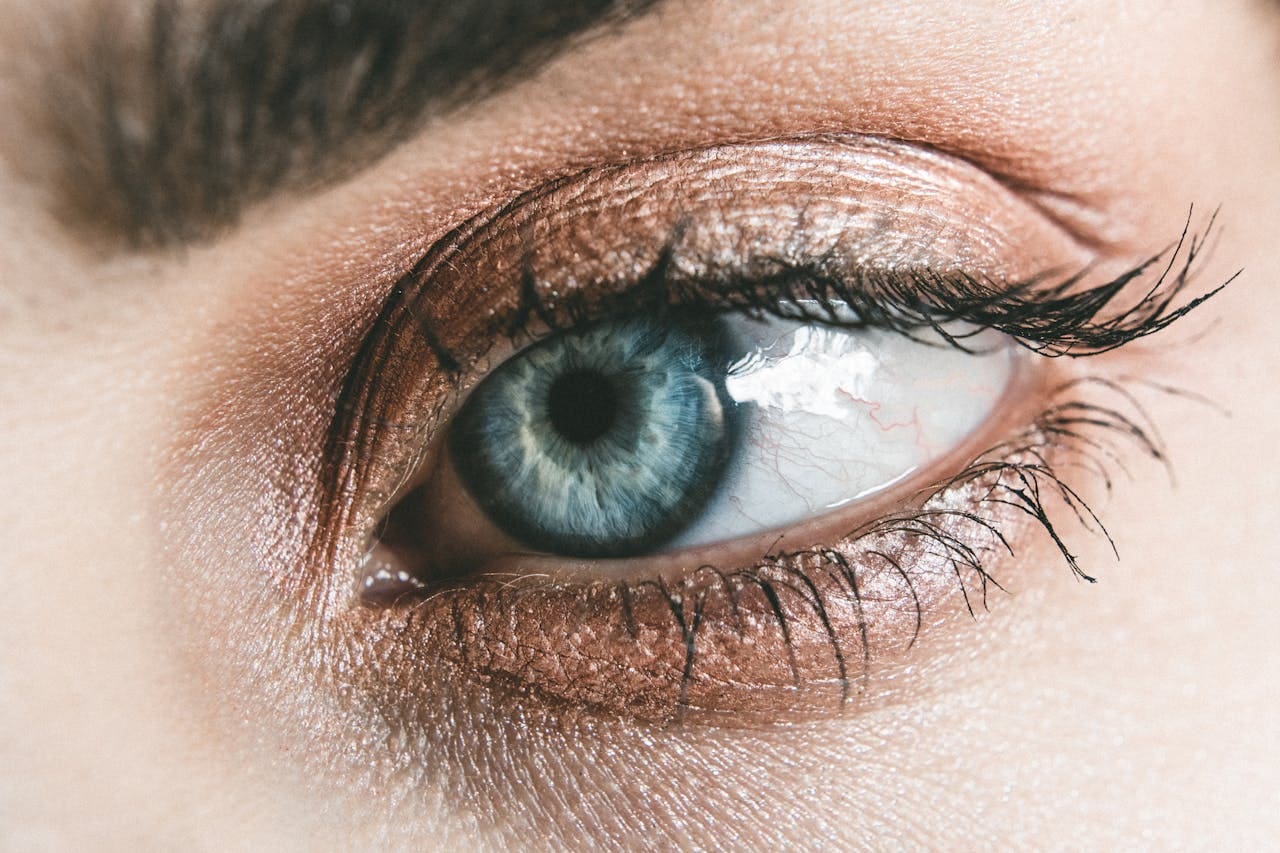
Years of heavy mascara use can weaken lashes, leaving them brittle, thin, and prone to breakage. Lash serums support recovery by nourishing the follicles, improving lash strength, and encouraging healthier growth over time.
Understanding Lash Damage from Mascara Use
Mascara coats each lash with pigment and wax to create volume and length. While effective for appearance, daily application and removal can stress the lash shaft. Tugging with a makeup remover or rubbing the eyes often accelerates lash loss.
Over time, lashes may become dry, fragile, or sparse. Waterproof formulas, in particular, are harder to remove and may lead to more breakage. Environmental factors like pollution and sun exposure can compound this damage, leaving lashes less resilient.
Damaged lashes often show signs such as brittleness, uneven growth, or premature shedding. Recognizing these indicators early helps individuals understand when to incorporate a targeted lash serum into their routine.
Mechanisms of Lash Serum Repair
Lash serums work by delivering active ingredients directly to the lash line to condition and strengthen follicles. Peptides support keratin production, which reinforces the structure of each lash. Biotin helps improve lash resilience by supporting the natural synthesis of proteins.
Some formulas also include hydrating agents like hyaluronic acid or panthenol to reduce dryness. By improving the health of the follicle environment, serums encourage stronger regrowth and reduce the likelihood of breakage.
By improving the health of the follicle environment, serums encourage stronger regrowth and reduce the likelihood of breakage. This shift in focus from simple cosmetic effect to root-level care has led to formulas that combine multiple active compounds. An eyelash growth serum from ForChics might emphasize peptides, while other brands could highlight botanical extracts or keratin-boosting agents. The variety of ingredient profiles shows how different approaches target the same goal of promoting fuller, more resilient lashes over time.
Types of Lash Serums: Peptide-Based vs. Prostaglandin-Based
Lash serums generally fall into two categories: peptide-based and prostaglandin-based.
- Peptide-based serums: Focus on strengthening and conditioning. They are typically well-tolerated and emphasize lash health over dramatic growth.
- Prostaglandin-based serums: Contain ingredients similar to those in prescription products like Latisse. These can stimulate noticeable lash lengthening and thickening.
While prostaglandin serums may deliver faster results, they can also carry side effects such as irritation or hyperpigmentation around the lash line. Peptide-based options are often preferred for long-term maintenance of damaged lashes. Choosing between the two depends on whether the priority is repair and conditioning or maximum growth, as both approaches serve different recovery needs.
Best Practices and Alternatives for Restoring Lash Health
Supporting damaged lashes requires careful application of growth products, consistent healthy habits, and choosing gentler cosmetic alternatives. Small adjustments in daily routines and product choices can make a noticeable difference in lash strength and appearance.
Proper Application and Safety Tips
Lash serums should be applied sparingly to the lash line with a clean applicator. Using more than the recommended amount does not speed up results and may increase irritation. Consistency matters more than quantity, so once-daily application is usually sufficient.
It is important to apply serums on clean, dry skin. Residual mascara or eye makeup can block absorption and reduce effectiveness. Removing makeup thoroughly with a gentle, oil-free cleanser helps create the right base.
Users should avoid sharing applicators or touching the tip of the serum wand to the eye. This reduces the risk of bacterial contamination. If redness, itching, or swelling occurs, discontinuing use and consulting a professional is recommended.
Complementary Lash Care Habits
Daily habits strongly influence lash recovery. Avoiding excessive use of an eyelash curler prevents unnecessary breakage. Heated curlers can be especially harsh on weakened lashes.
Heavy mascaras that require vigorous rubbing to remove can also slow regrowth. Switching to tubing mascara, which forms water-resistant tubes around each lash and removes easily with warm water, reduces friction and lash loss.
Nutrition plays a role as well. Diets that include protein, biotin, and omega-3 fatty acids support healthy hair growth, including eyelashes. Regular cleansing of the lash line with mild products also prevents buildup from serums, oils, or leftover makeup.
Conclusion
Lash serums can support lashes weakened by years of mascara by delivering nourishing ingredients that help improve strength and resilience. They often include peptides, vitamins, and moisturizing agents that condition the lash line and promote a healthier appearance. For those with mascara-related damage, choosing a serum that balances effectiveness with safety is key. Consistent use, paired with careful product selection, can help lashes recover and maintain a healthier look over time.

Jessica Alexander
Latest posts by Jessica Alexander (see all)
- Yacht Charter or Cruise? How to Choose Your Best Luxury Escape at Sea - December 15, 2025
- Transform Your Routine with Nak Shampoo for Your Hair - December 2, 2025