
There was a time—not long ago—when dressing up was synonymous with productivity, success, and professionalism. Crisp suits, uncomfortable shoes, and form-fitting silhouettes ruled the weekday. But in the wake of global disruption, cultural shifts, and a collective reassessment of our values, something interesting happened: we got comfortable. Really comfortable.
And we’re not going back.
Welcome to the era of dopamine dressing and comfort-first fashion—where your wardrobe is no longer dictated by boardroom expectations but by how you feel in your clothes. From soft matching sets to bold prints, fuzzy textures, and joy-inducing colours, the way we dress today reflects an inner shift. It’s not about impressing others—it’s about pleasing ourselves. Here’s why dressing for dopamine is the comeback we didn’t know we needed.
The Pandemic Effect: Where It All Began
To understand the comfort comeback, we need to rewind to early 2020. Offices shuttered, sweatpants surged, and suddenly, the pressure to perform through our clothing disappeared. Without commutes or in-person meetings, we were given the rare opportunity to reevaluate what we wear and why.
The shift wasn’t just about dressing down—it was about dressing in alignment with how we wanted to feel. Comfort wasn’t just physical; it became emotional. And once people got a taste of that ease, few were willing to trade it back in for stiff trousers or pinch-inducing shoes.
Fashion brands took notice. Sales of loungewear and athleisure skyrocketed. Pajama-inspired sets and cozy knits became everyday staples. Even high-end designers began merging comfort with couture, blurring the lines between dressing up and dressing well.
Dopamine Dressing: Colour, Texture, and Mood
Comfort isn’t just found in stretchy waistbands or oversized fits. It’s also deeply rooted in expression—and that’s where dopamine dressing comes in. Coined by fashion psychologist Dawnn Karen, dopamine dressing is the idea that clothing can affect your mood and well-being. Wearing vibrant colours, tactile fabrics, or clothes with sentimental value can trigger a mental boost—like a little hit of joy.
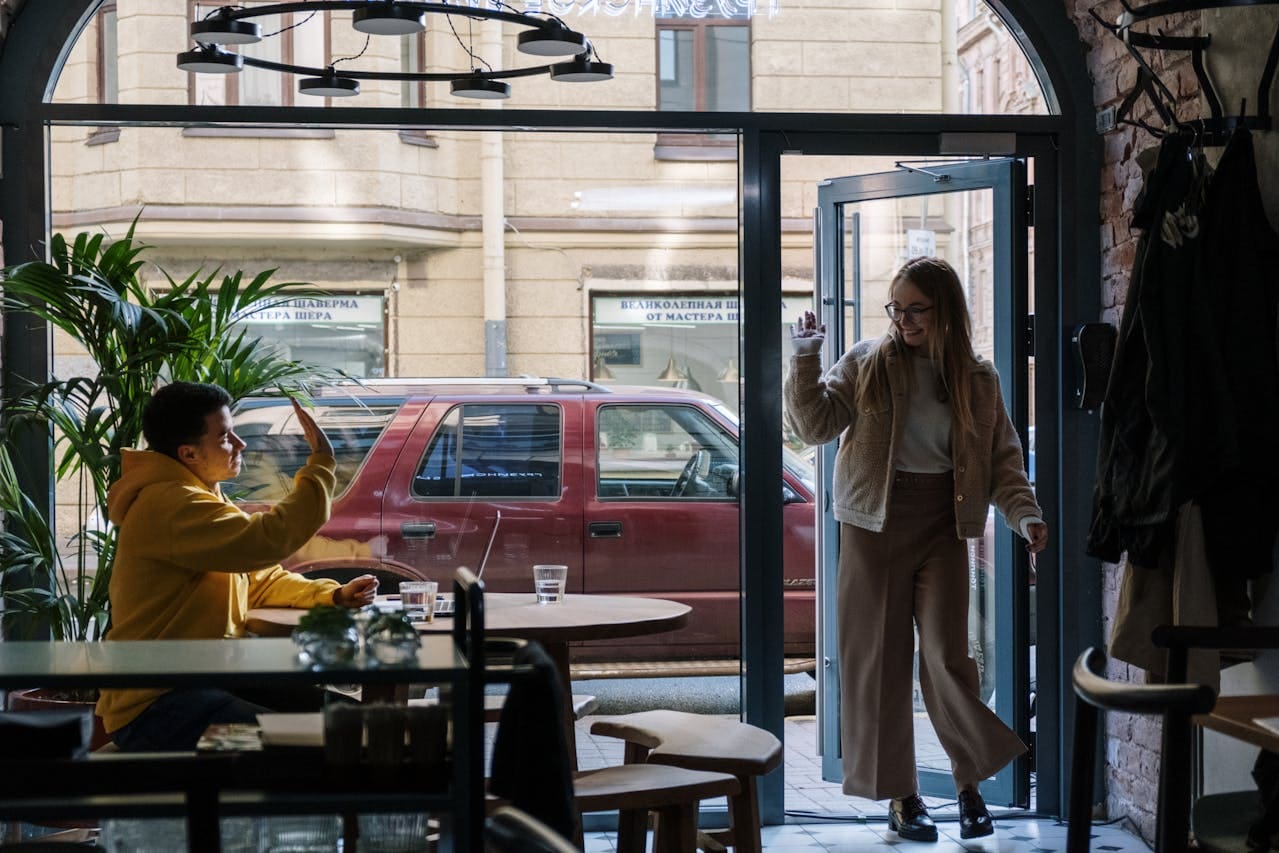
Think of the person in a sunshine-yellow hoodie, or the bold red blazer worn to a Zoom meeting. These aren’t just style choices—they’re emotional ones.
After years of muted palettes and minimalist trends, people are craving playfulness. Barbiecore pinks, acid greens, nostalgic patterns, and layered textures are no longer reserved for the fashion elite. They’ve made their way into everyday wardrobes because, frankly, people want to feel something.
The End of Fashion Rules
Another pillar of the comfort comeback is the collapse of rigid fashion rules. No white after Labour Day? Irrelevant. Leggings aren’t pants? Who decided that? With comfort and joy taking precedence, many are breaking away from outdated style etiquette in favour of self-expression.
The rise of gender-neutral fashion, the embrace of body diversity, and the fall of formality all point to a broader trend: fashion is finally personal again. What used to be about fitting in has transformed into standing out—or standing firm in your own skin, regardless of what’s trending.
Social media platforms like TikTok have amplified this shift. Creators are no longer trying to dress like they belong in a magazine; they’re dressing like themselves, and often for the simple reason that their outfit makes them smile. The “Get Ready With Me” trend (GRWM) often features creators showing their joy as they throw on cowboy boots with sweatpants or wear glitter to run errands. The joy is contagious—and relatable.
The Rise of Soft Power Dressing
That’s not to say we’ve entirely ditched the idea of getting dressed with intention. We’re just redefining what power looks like. In place of stiff suits and business casual, we’re seeing a new form of “soft power dressing”—think relaxed tailoring, luxe loungewear, and elevated basics that move with your body, not against it.
Power now comes from confidence and authenticity, not from fitting a corporate mold. A buttery-soft cashmere sweater can carry as much gravitas as a blazer, especially when paired with confidence and purpose. We’ve realized that we don’t have to sacrifice comfort to be taken seriously. In fact, being comfortable in our clothes can make us more focused, more expressive, and more ourselves.
Dressing for Your Day, Not a Deadline
One of the most liberating aspects of this shift is that many people are now dressing for their day—not a boss, a deadline, or an office dress code. Whether working from home, freelancing, or balancing multiple roles in a hybrid lifestyle, people are prioritizing clothing that supports how they move through the day.
A morning dog walk might require cozy joggers and sneakers, followed by a video meeting in a polished knit top and earrings. A mid-day café writing session might include wide-leg jeans and a soft trench, topped with your favourite hat. The point is: dressing is now fluid, personal, and driven by feeling good, not looking “appropriate.”
Even in the office, there’s been a cultural softening. Workplaces are increasingly allowing for casual attire, understanding that productivity isn’t dictated by how tight your belt is. And employees are often more creative and confident when they can be themselves—even in what they wear.
Sustainability, Mindfulness, and Wardrobe Intentionality
This comfort comeback isn’t just about how we feel—it’s also about how we consume. With the rise of slow fashion and growing awareness about the wastefulness of trend cycles, many people are buying with more intention.
Comfort-first wardrobes often centre on versatile pieces that mix and match, last longer, and feel good over time. Capsule wardrobes, second-hand shopping, and rental fashion have also gained traction—proof that being intentional doesn’t mean being boring.
Dressing for dopamine, then, is also dressing mindfully. It’s asking yourself: Do I love this? Does it feel good? Will I actually wear it? And when the answer is yes, that piece becomes more than an outfit—it becomes a form of self-care.
Comfort Is Confidence
Perhaps the most powerful part of this fashion shift is what it says about how we see ourselves. For years, fashion was built on aspirational images—runways, magazine spreads, and “it” girls who often felt untouchable. But as we’ve collectively reevaluated our priorities, we’ve begun to embrace authenticity over aspiration.
When you feel good in your clothes—when they reflect your energy, your comfort, and your personality—you radiate confidence. And isn’t that what style is supposed to do?
The Bottom Line: You’re Allowed to Dress for Joy
Fashion has always reflected the cultural moment. And in this moment, we’re choosing softness, colour, individuality, and ease. We’re dressing for the life we want to live—not the one we’re trying to prove.
So whether that means fluffy slippers on a Monday, a hot pink suit on a Thursday, or a flowy caftan just because—it’s all valid. The rules are gone. The pressure is off. And in their place? A wardrobe full of possibility, comfort, and joy.
The comfort comeback isn’t a trend—it’s a return to ourselves.

markmunroe
Latest posts by markmunroe (see all)
- Five Benefits of Taking a Digital Detox One Day Per Week - August 17, 2026
- Top Interior Home Door Trends for 2026 - July 31, 2026