
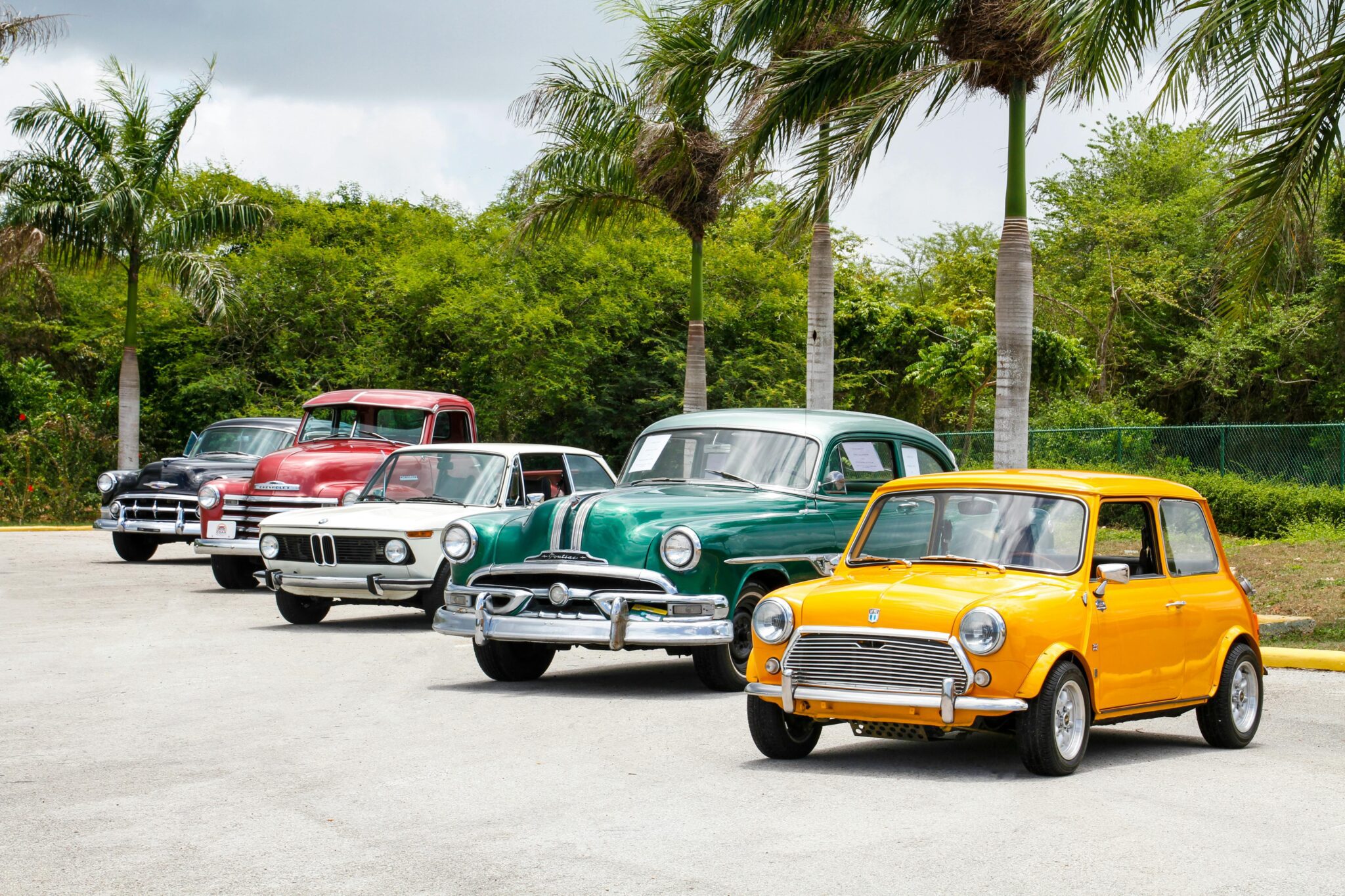
There is no doubt that classic cars are enticing. The design is timeless, the history is rich, and the unique experience behind the wheel captivates enthusiasts all around the world. For an individual, undertaking the task of restoring one of these glorious machines can be one of the most rewarding activities, transforming a dusty old relic into a shiny monument of automotive history. But as for beginners in the subject, it can seem pretty daunting. This guide, therefore, offers key tips on how to navigate the exciting yet challenging world of classic car restoration.
- Start with Realistic Expectations and Research:
Before turning a wrench, it is wise to set realistic expectations. Classic car restoration is very seldom quick or inexpensive. It takes time, patience and often a big chunk of money. Go ahead and do your research. Clarify the make and model that you want, know its history, parts availability, and possible market value. Sign up for online forums that connect you with fellow enthusiasts to gather some great insights and advice. Research into the costs associated with restoring your chosen car to different levels of completion. Such groundwork upfront brings the freedom from frustration and gives you a project that is in line with your abilities, time and budget.
- Choose the Right Project Car:
The condition of your starting car will really determine how difficult and expensive your restoration becomes. Beginners are generally told to pick a car that is as complete and rust-free as you can possible. However attractive a “barn find” may seem, the serious amount of rust repair and missing bits can immediately overwhelm a novice restorer. Hunt for something that has relatively straight body panels, a complete engine and transmission (even if non-running), and interiors mostly intact. Such cars usually form a better basis than beating up or incomplete cars. Do not underappreciate the money and work needed to locate the missing bits.
- Break Your Restoration into Sections:
Realistically, the overall job can be broken down into several sections. Do it stage by stage to avoid getting bogged down. A restoration will typically involve:
Assessment and Documentation: Thorough inspection of the vehicle, a current condition in pictures and notes, and detailed restoration plans.
Bodywork and Paint: Rust repairs and dents, and a fresh coat of paint.
Mechanical Restore: Rebuild or replace the engine, transmission, brake, suspension, and other mechanical parts.
Interior Restoration: Recover or replace upholstery, carpets, trims, and dashboard elements.
Electrical System: Check and repair or replace wiring systems, bulbs, and other involved components. Final Assembly and Detailing: Rebuilding all components into a complete vehicle and detailed work. Tackling one stage at a time allows focus and progress tracking while managing one’s budget better.
- Safety First:
Restoration on old cars typically entails the use of several hazardous materials and tools. Remember to wear safety gear including, at a minimum, eye protection, gloves, and respiratory protection where needed. Your workspace must be well-ventilated while painting and working with solvents. Properly support vehicles on jack stands and never work underneath a car that is only supported by a jack. Invest in quality tools and learn to use them safely.
- Learn Basic Skills And Don’t Be Afraid To Ask For Help:
As a novice, there will be things that you just cannot do yet, but great learning is to come. There is so much online, not to mention books and workshops, on basic techniques of automotive repair and restoration. Don’t be shy to ask experienced restorers or local car clubs for help. Networking with other enthusiasts can result in some good advice and support. For jobs that few have tried but require great mastery or equipment (engine rebuilding or a professional paint job, for instance), hire a qualified professional instead.
- Document Every Step:
Keep a record of everything you do to restore your vehicle with photographs, receipts for parts, and notes about what you did or hired out. This record is helpful toward keeping track of your progress and budgeting; however, it increases the vehicle’s worth should you decide to sell it later.
- Be Patient and Enjoy the Process:
It is a marathon, not a sprint, for classic car restoration. There will be setbacks and challenges along the way. You need patience to see it through to the end. Don’t forget to enjoy the process of bringing back to life a piece of motoring history. The first sense of achievement is to be behind the wheel of your restored classic car; nothing can beat that.
- Know When to Call in Experts:
A motivated beginner can do most things in classic car restoration, but professionals must do some. These include very intricate bodywork, show-quality professional paint jobs, rebuilding the engine and transmission, and very complex electrical systems repair. Research any reputable vintage car restoration services near you. Professionals have expert skills, tools and experience to carry out such complex tasks efficiently and correctly, assuring a high-quality and reliable outcome. Knowing your limits and when to get help is a wise thing-one that will save you time, money, and frustration later.
Restoring a vintage car is a journey of passion and dedication. Now, with these beginner tips in mind, you’ll have the process under control without falling into the usual pitfalls, and you’ll feel the satisfaction of reviving an important part of automotive history. Do enjoy the ride and celebrate every step along the way.

markmunroe
Latest posts by markmunroe (see all)
- Mandolin – The Quiet Instrument That Comes Alive at Concerts - October 23, 2026
- The Growing Allure of High Adrenaline Weekend Escapes - October 2, 2026